

Researchers Elucidate the Molecular Mechanism of Cold Tolerance in Pepper
November 4, 2026| |
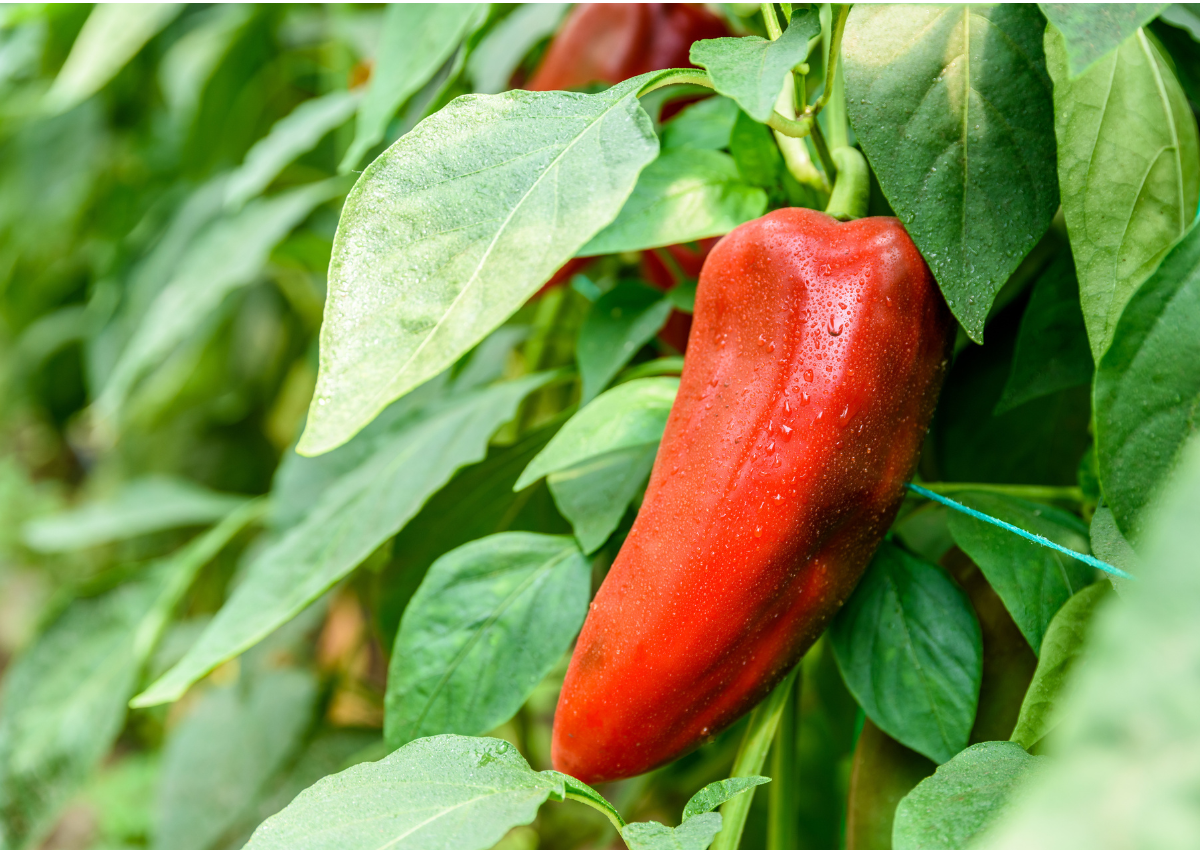
Scientists from the Northwest A&F University have uncovered the molecular pathway that aids pepper plants in fighting off cold stress that normally disrupts cellular balance and causes harmful oxidative damage. By showing how the enzyme CaSNF1 works with the CaHD-ZIP inside the cell nucleus, a protective switch that could help breeders grow hardier crops in colder climates was unlocked.
Molecular and cellular assays revealed that the protein CaHD-ZIP directly interacts with and is activated by the enzyme CaSNF1 within the cell nucleus. Additionally, the suppression of the CaSNF1 activity increased cold sensitivity, weakened antioxidant defenses, and lowered the activation of cold-defense genes in pepper. Conversely, cellular damage is reduced, and cold survival is significantly improved when CaSNF1 is overexpressed.
These findings demonstrate how the SNF1–CaHD-ZIP team works together to protect pepper plants from freezing temperatures. Identifying this protein pair provides scientists with a roadmap and a clear target for breeding peppers that can thrive amidst cold stress.
Learn more by reading the full study in Theoretical and Applied Genetics.
| |
You might also like:
- CRISPR To Boost Tomato Yields In Winter
- Positive Regulator of Cold Tolerance in Banana Found
- Researchers Identify Gene That Improves Soybean Cold Tolerance
Biotech Updates is a weekly newsletter of ISAAA, a not-for-profit organization. It is distributed for free to over 22,000 subscribers worldwide to inform them about the key developments in biosciences, especially in biotechnology. Your support will help us in our mission to feed the world with knowledge. Support ISAAA by subscribing as a Premium or Elite Subscriber
-
See more articles:
-
Plant
- Study Uses CRISPR to Optimize GABA Levels in Brown Rice
- Gene Editing Boosts Protein and Mineral Content in Sorghum
- Researchers Elucidate the Molecular Mechanism of Cold Tolerance in Pepper
- Biotech Crops: Global Trends and Future Directions for Vietnam
- Building Public Trust and Improving Market Access Could Strengthen Golden Rice Acceptance in the Philippines
- Global Impact of GM Crops and Opportunities for Malaysia's Agriculture and Trade
- EFSA Finds GM Soybean MON 94313 × MON 89788 Safe
-
Animal
- Prebiotic Feed Additive Offers a Sustainable Solution to Ruminant Methane
- Gene Drive Applications in the Lab and Beyond: Research Status and Potential Next Steps
-
Read the latest: - Biotech Updates (November 4, 2026)
- Gene Editing Supplement (October 28, 2026)
- Gene Drive Supplement (February 22, 2023)
-
Subscribe to BU: - Share
- Tweet