

Prebiotic Feed Additive Offers a Sustainable Solution to Ruminant Methane
November 4, 2026| |
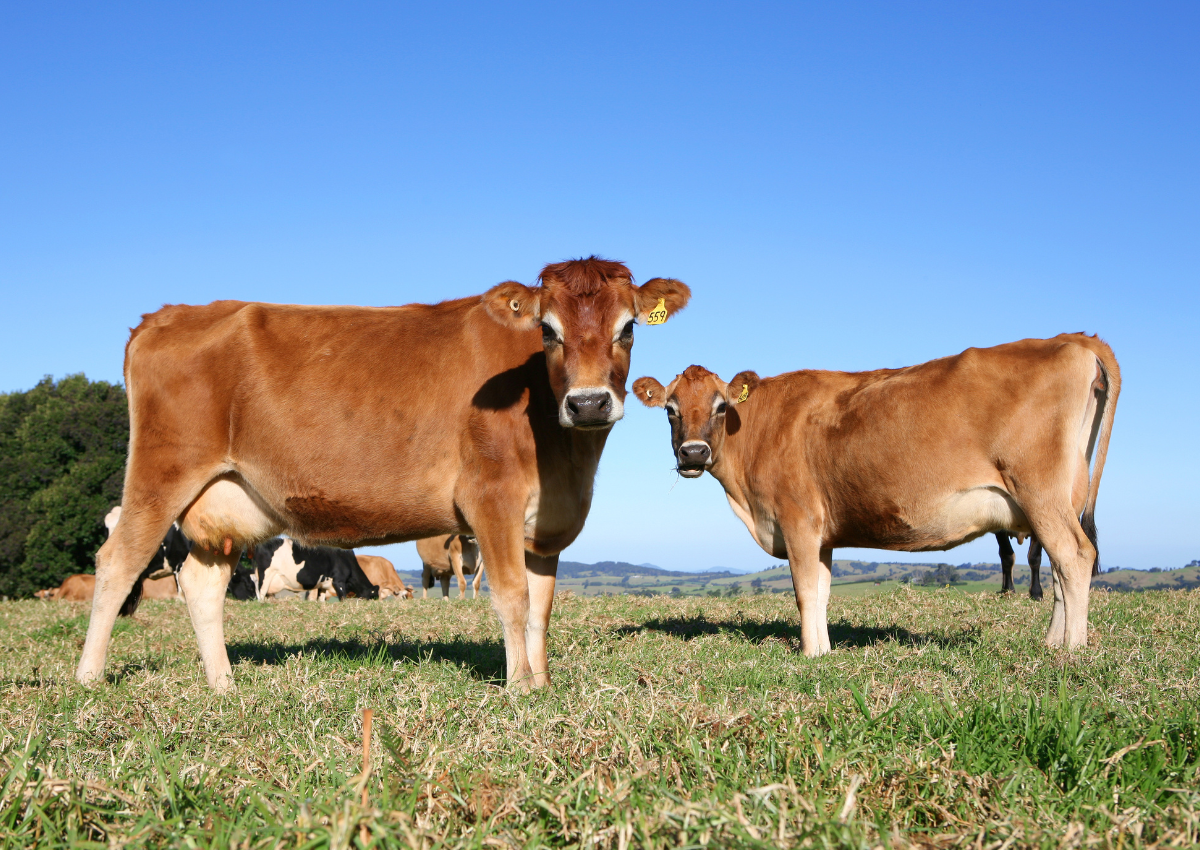
Scientists from China have found a promising way to lower greenhouse gas emissions from dairy farming. In a 60-day study, Jersey cows fed a daily prebiotic called xylooligosaccharides (XOS) made from corncobs produced significantly less methane gas than cows on a regular diet. This approach could help dairy farmers turn discarded corncobs into a feed additive that could help curb livestock emissions.
16S rRNA gene sequencing and untargeted metabolomics decoded that dietary XOS enhanced the overall species richness and abundance of ruminal microbiota without disrupting gut health. The population of beneficial rumen bacteria such as Chloroflexi and Actinobacteriota significantly increased, which altered how food was broken down. Cows supplied with XOS showed a reduction in daily methane output from 486 grams per cow down to 380 grams.
Supplying XOS to the cows' diets also led to boosted levels of lauric acid, a natural fatty acid known to block methane-producing gut microbes. By suppressing methane-producing microbes in the rumen and redirecting metabolic energy toward volatile fatty acid synthesis, corncob-derived XOS prebiotics offer a solution that can be potentially leveraged to slash methane emissions and advance sustainable dairy farming.
Read the full study in Animal Biotechnology for more information.
| |
You might also like:
- Pocket K No. 40: Biotechnology for the Livestock Industry
- Genetically Engineered Clover Undergoing Trials in Australia
- Inter-UC Project to Cut Livestock Methane Emissions Using CRISPR Gut Microbes
Biotech Updates is a weekly newsletter of ISAAA, a not-for-profit organization. It is distributed for free to over 22,000 subscribers worldwide to inform them about the key developments in biosciences, especially in biotechnology. Your support will help us in our mission to feed the world with knowledge. Support ISAAA by subscribing as a Premium or Elite Subscriber
-
See more articles:
-
Plant
- Study Uses CRISPR to Optimize GABA Levels in Brown Rice
- Gene Editing Boosts Protein and Mineral Content in Sorghum
- Researchers Elucidate the Molecular Mechanism of Cold Tolerance in Pepper
- Biotech Crops: Global Trends and Future Directions for Vietnam
- Building Public Trust and Improving Market Access Could Strengthen Golden Rice Acceptance in the Philippines
- Global Impact of GM Crops and Opportunities for Malaysia's Agriculture and Trade
- EFSA Finds GM Soybean MON 94313 × MON 89788 Safe
-
Animal
- Prebiotic Feed Additive Offers a Sustainable Solution to Ruminant Methane
- Gene Drive Applications in the Lab and Beyond: Research Status and Potential Next Steps
-
Read the latest: - Biotech Updates (November 4, 2026)
- Gene Editing Supplement (October 28, 2026)
- Gene Drive Supplement (February 22, 2023)
-
Subscribe to BU: - Share
- Tweet