

Scientists Turn Red Strawberry White Using CRISPR
August 26, 2026| |
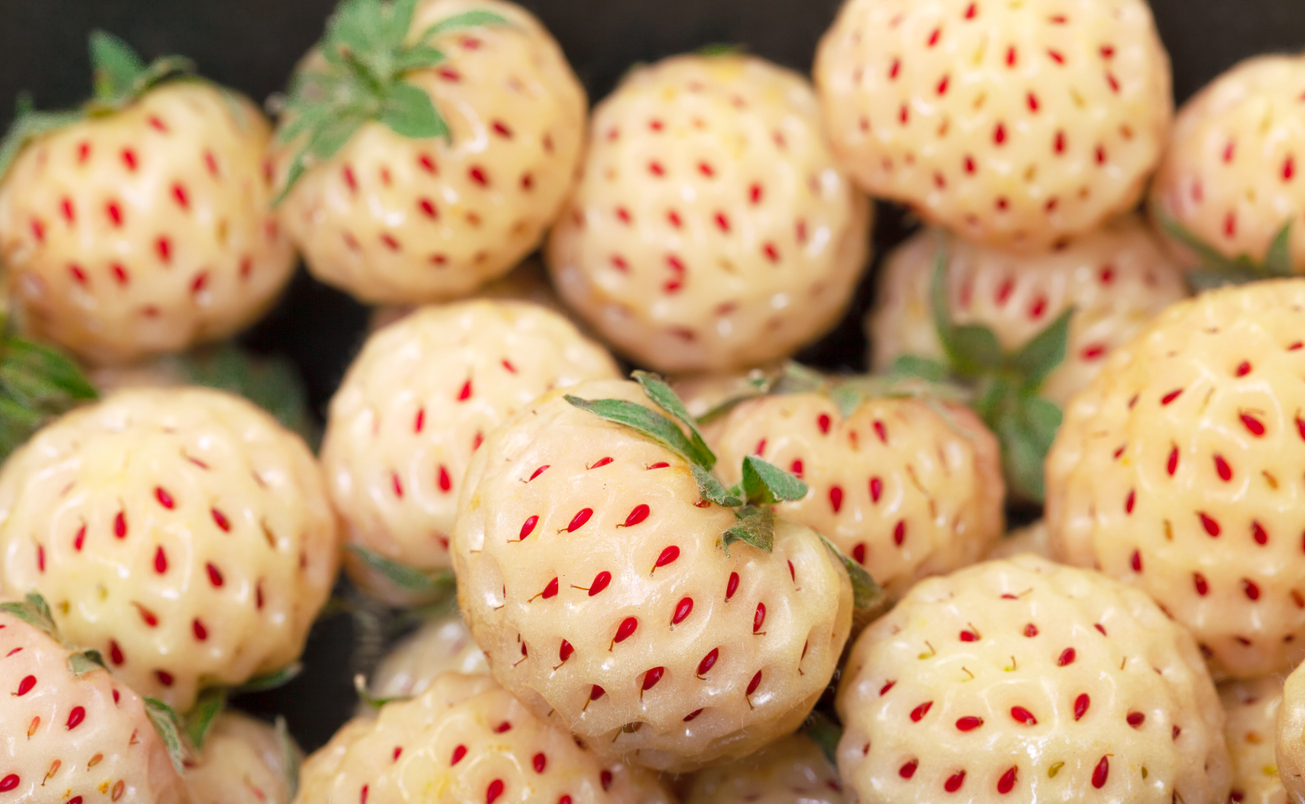
Researchers from Kongju National University, the National Institute of Horticultural and Herbal Science of Korea, Chungbuk National University, and the University of Florida have unlocked a key challenge in complex crop genetics by turning commercially grown red strawberries white. Published in Horticulture Research, the team successfully modified the elite cultivar 'Florida Brilliance' using CRISPR-Cas9 gene editing technology. The resulting fruit matured into a stable white variety, demonstrating how targeted gene editing can successfully manipulate specific traits in multi-copy plant genomes.
Editing cultivated strawberries (Fragaria × ananassa) has historically proven difficult because they are octoploid, carrying eight complete sets of chromosomes. This genomic redundancy means most traits are governed by multiple, nearly identical copies of a single gene. Rather than attempting to disable every copy, the researchers pinpointed a single dominant gene copy, MYB10-1B, that drives over 96 percent of red anthocyanin pigment production. By designing guide RNAs that targeted only this specific sequence on chromosome 1B, they switched off red pigment production without disrupting neighboring genes.
Beyond producing a novel berry color, the breakthrough establishes a vital framework for editing other complex, polyploid crops such as wheat, potatoes, and sugarcane. Proving that knocking out a single dominant gene copy can achieve a dramatic physical change without unwanted off-target effects opens new doors for agricultural biotechnology. Plant breeders can now apply this strategy to quickly introduce critical traits like disease resistance, drought tolerance, and improved shelf life directly into established commercial varieties.
For more details, read the article in SciTech Daily or download the paper in Horticulture Research.
| |
You might also like:
- Major CRISPR Breakthrough for First-Ever Regeneration of Strawberries from Gene-edited Single Cells
- International Team of Scientists Sequence the Genome of Cultivated Strawberry
- Scientists Reveal Genetic Ancestry of Cultivated Strawberry
Biotech Updates is a weekly newsletter of ISAAA, a not-for-profit organization. It is distributed for free to over 22,000 subscribers worldwide to inform them about the key developments in biosciences, especially in biotechnology. Your support will help us in our mission to feed the world with knowledge. You can help by donating as little as $10.
-
See more articles:
-
News from Around the World
- Webinar: Global Impact of Commercialized Biotech/GM Crops
-
Plant
- CRISPR Reveals Gene Linked to Tilapia Virus Resistance
- Researchers Develop AI Tool to Detect Tomato Diseases in the Field
- Scientists Identify Fungal Gene To Build Cold-Stress Tolerance in Crops
- Rice Gene Variant Provides Combined Protection Against Drought and Blast
- ISAAA Inc. Announces Panfilo de Guzman as New Deputy Director
- Australian OGTR Receives License Application for Commercial Release of Insect Resistant Cotton
- Last Chance to Register for ASCA2026 in Malaysia
-
Read the latest: - Biotech Updates (August 26, 2026)
- Gene Editing Supplement (August 26, 2026)
- Gene Drive Supplement (February 22, 2023)
-
Subscribe to BU: - Share
- Tweet