

CRISPR Reveals Gene Linked to Tilapia Virus Resistance
August 26, 2026| |
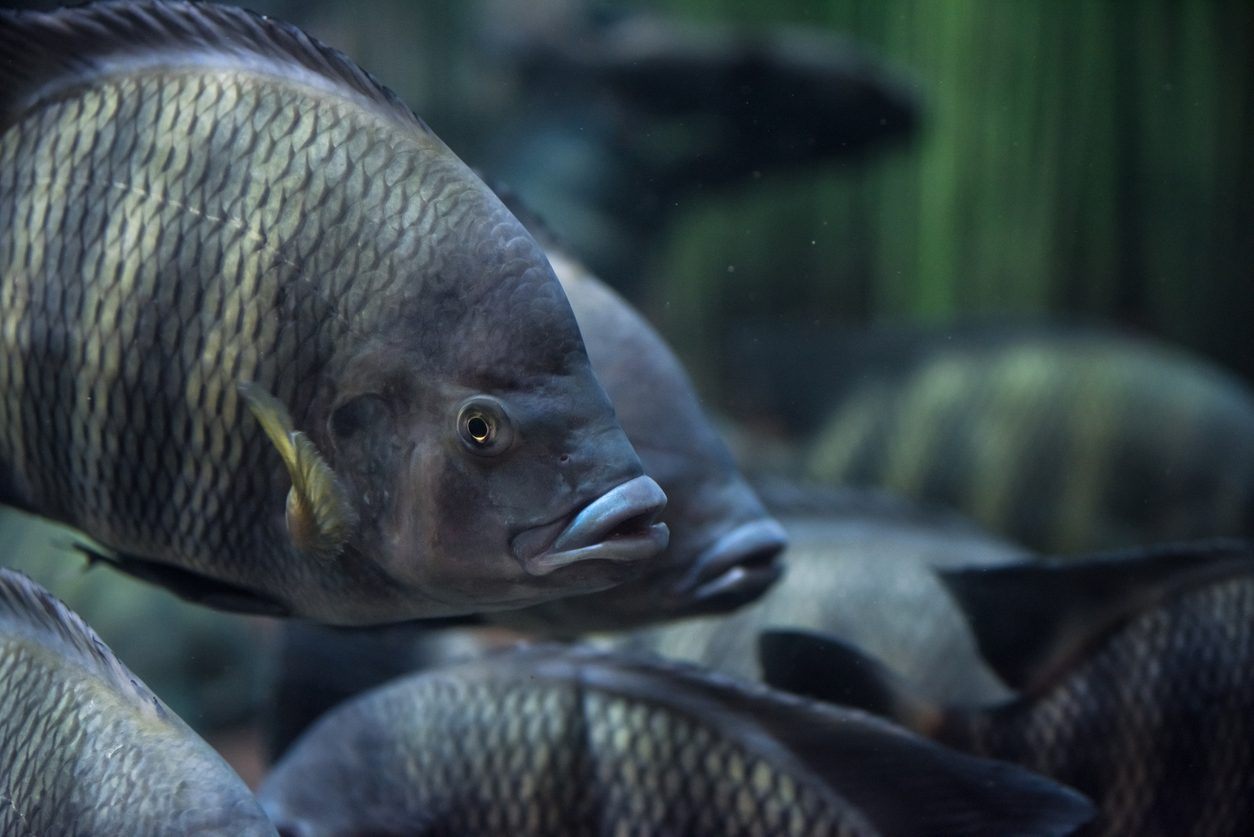
A study from the University of Edinburgh used the CRISPR-Cas genome editing tool to investigate genetic factors that could help tilapia resist Tilapia lake virus (TiLV), a major threat to aquaculture. The study focused on ANP32A, a host protein that supports TiLV replication and could provide a target for developing more resistant tilapia.
The researchers first identified electroporation of CRISPR-Cas9 ribonucleoproteins (RNP) as an effective gene-editing method for fish cells. They used the approach to create tilapia cells lacking the anp32a gene and exposed them to TiLV. Compared with the wild-type controls, the edited cells showed substantially lower viral replication and less cell damage after infection.
Further analyses showed that ANP32A helps TiLV replicate by maintaining cellular metabolism and protein production. The findings identify ANP32A as a potential target for developing TiLV-resistant tilapia and show how CRISPR-Cas editing can reveal genes involved in disease resistance in aquaculture species.
For more information, read the abstract from The University of Edinburgh.
| |
You might also like:
- Engineered Animals to Fight Mercury Pollution
- Chinese Researchers Highlight the Need for Equitable Access to CRISPR Technologies
- ISAAA Inc. and BCP Boost Youth's Appreciation for Gene Editing of Livestock and Aquaculture
Biotech Updates is a weekly newsletter of ISAAA, a not-for-profit organization. It is distributed for free to over 22,000 subscribers worldwide to inform them about the key developments in biosciences, especially in biotechnology. Your support will help us in our mission to feed the world with knowledge. You can help by donating as little as $10.
-
See more articles:
-
News from Around the World
- Webinar: Global Impact of Commercialized Biotech/GM Crops
-
Plant
- CRISPR Reveals Gene Linked to Tilapia Virus Resistance
- Researchers Develop AI Tool to Detect Tomato Diseases in the Field
- Scientists Identify Fungal Gene To Build Cold-Stress Tolerance in Crops
- Rice Gene Variant Provides Combined Protection Against Drought and Blast
- ISAAA Inc. Announces Panfilo de Guzman as New Deputy Director
- Australian OGTR Receives License Application for Commercial Release of Insect Resistant Cotton
- Last Chance to Register for ASCA2026 in Malaysia
-
Read the latest: - Biotech Updates (October 7, 2026)
- Gene Editing Supplement (September 30, 2026)
- Gene Drive Supplement (February 22, 2023)
-
Subscribe to BU: - Share
- Tweet