

Scientists Identify Fungal Gene To Build Cold-Stress Tolerance in Crops
August 26, 2026| |
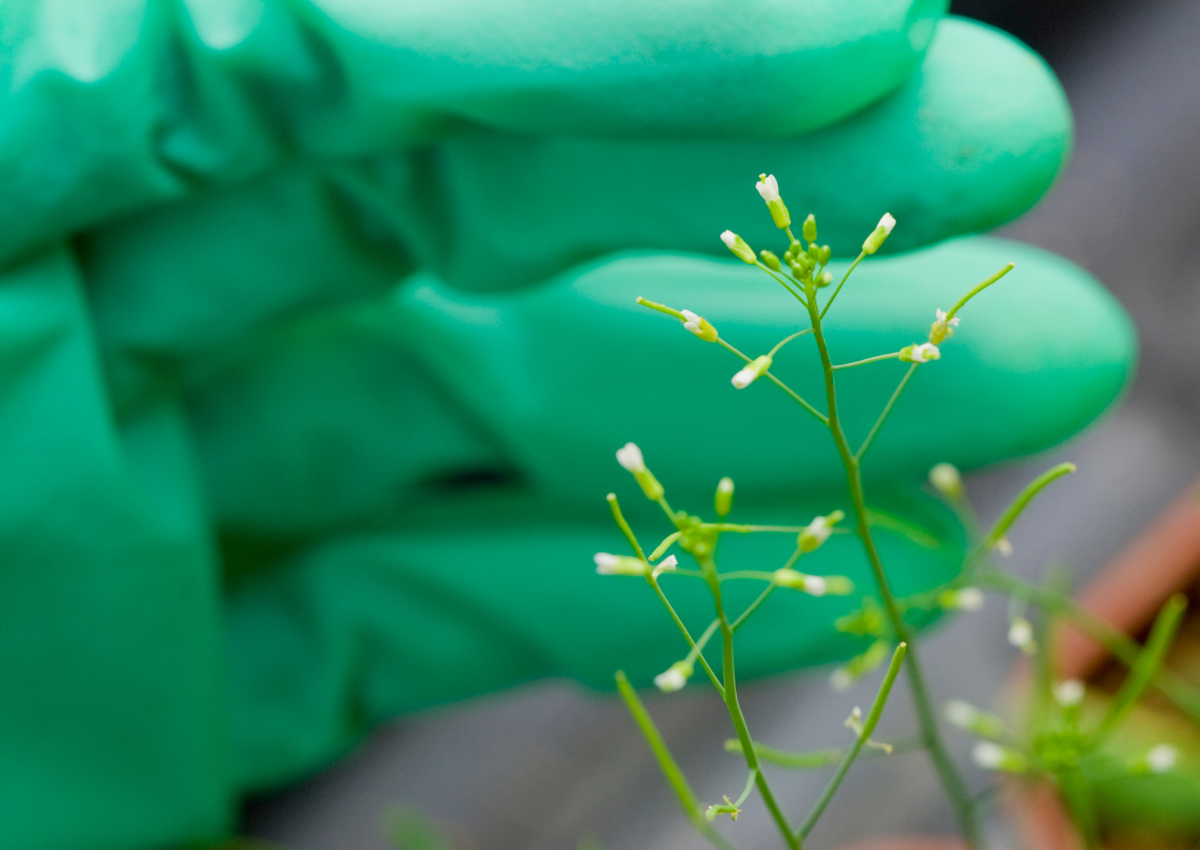
Scientists from Guru Nanak Dev University, in collaboration with the Institute of Himalayan Bioresource Technology, have discovered that a gene from the salt-tolerant fungus Penicillium oxalicum can significantly enhance cold-stress tolerance in plants. By introducing the gene PoxCYP62-2 into the model plant, Arabidopsis thaliana, modified plants maintained superior growth and biomass under low-temperature conditions compared to non-transgenic controls. The findings highlight PoxCYP62-2 as a promising target for breeding cold-stress tolerance in crops.
The gene PoxCYP62-2 belongs to a class of genes that produce cyclophilins, a class of proteins vital for proper protein folding and functional stability under environmental stress. To test the gene's efficacy, PoxCYP62-2 was isolated and introduced into A. thaliana using Agrobacterium-mediated genetic transformation. Subcellular imaging revealed that the fungal PoxCYP62-2 protein localized directly within the nucleus of the host plant's cells to exert its protective effect.
Under cold stress, the transgenic Arabidopsis plants exhibited reduced cellular damage and the accumulation of several metabolites associated with stress tolerance, suggesting that the gene may help strengthen the plant's natural defenses against low temperatures. While the study was conducted using a model plant, these findings identify PoxCYP62-2 as a promising genetic target for further research on developing cold-tolerant crop varieties that could better withstand low-temperature conditions.
You may read the full article in Transgenic Research via Springer.
| |
Biotech Updates is a weekly newsletter of ISAAA, a not-for-profit organization. It is distributed for free to over 22,000 subscribers worldwide to inform them about the key developments in biosciences, especially in biotechnology. Your support will help us in our mission to feed the world with knowledge. You can help by donating as little as $10.
-
See more articles:
-
News from Around the World
- Webinar: Global Impact of Commercialized Biotech/GM Crops
-
Plant
- CRISPR Reveals Gene Linked to Tilapia Virus Resistance
- Researchers Develop AI Tool to Detect Tomato Diseases in the Field
- Scientists Identify Fungal Gene To Build Cold-Stress Tolerance in Crops
- Rice Gene Variant Provides Combined Protection Against Drought and Blast
- ISAAA Inc. Announces Panfilo de Guzman as New Deputy Director
- Australian OGTR Receives License Application for Commercial Release of Insect Resistant Cotton
- Last Chance to Register for ASCA2026 in Malaysia
-
Read the latest: - Biotech Updates (October 7, 2026)
- Gene Editing Supplement (September 30, 2026)
- Gene Drive Supplement (February 22, 2023)
-
Subscribe to BU: - Share
- Tweet