

Engineered Lettuce and Tobacco Plants to Produce Meat Protein
August 12, 2026| |
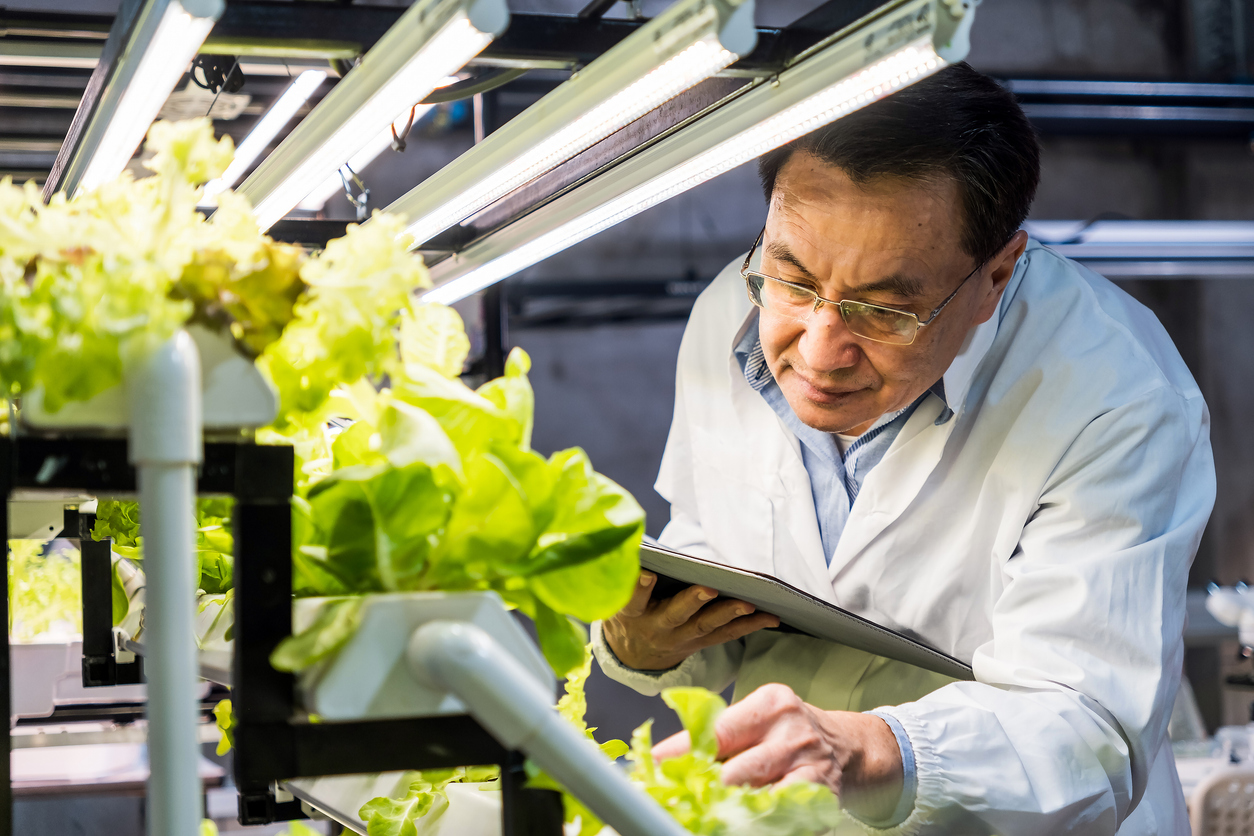
Scientists from Imperial College London and partners have engineered lettuce and tobacco plants to produce myoglobin, a protein found in animal muscle that gives meat its red color and contributes to its flavor. The approach could provide a plant-based alternative to produce an important ingredient for meat alternatives while potentially reducing the land, water, and emissions associated with livestock production.
The research team inserted pig and cattle myoglobin genes into the chloroplast genomes of tobacco and lettuce plants. Because chloroplasts contain many copies of their genome and can produce large amounts of protein, the plants produced substantially more myoglobin than plants engineered through their nuclear genomes. “This could provide a more sustainable way to produce an important ingredient for plant-based meat products,” said Dr. Alexia Groff, Researcher at Imperial College London.
The engineered tobacco and lettuce produced about 800-810 mg of myoglobin per kilogram of dry weight of tobacco and lettuce, respectively. This was at least three times more yield than tobacco plants with the transgene spliced into the nuclear genome. The researchers said the protein could potentially be extracted and purified for use in meat alternatives. Further development and regulatory approval will be needed before commercialization.
For more information, read the news release from Frontiers or the study from Frontiers in Plant Science.
| |
You might also like:
- NUS Scientists Produce Lab-Grown Pork with Red Sorghum Grain
- Scientists Grow Meat Inside Rice Grains
- Is it Really Chicken?
Biotech Updates is a weekly newsletter of ISAAA, a not-for-profit organization. It is distributed for free to over 22,000 subscribers worldwide to inform them about the key developments in biosciences, especially in biotechnology. Your support will help us in our mission to feed the world with knowledge. You can help by donating as little as $10.
-
See more articles:
-
Plant
- ICRISAT Receives Humanitarian License for Use of CRISPR-Cas9
- Study Identifies Key Drivers of NGT Adoption Among Farmers in Slovakia
- USDA APHIS Deregulates GE Corn with Multiple Herbicide Resistance
- University of Melbourne Seeks Approval for Biofortified GM Wheat Commercial Release
- Engineered Lettuce and Tobacco Plants to Produce Meat Protein
- EFSA Assessment Finds No Unanticipated Safety Risks from MON 810
- Biotech for Reel: Reel-Making Competition on Agri-Biotech Applications
-
Environment
- Be Part of ASCA2026 in Malaysia
-
Read the latest: - Biotech Updates (September 30, 2026)
- Gene Editing Supplement (September 30, 2026)
- Gene Drive Supplement (February 22, 2023)
-
Subscribe to BU: - Share
- Tweet