

EFSA Assessment Finds No Unanticipated Safety Risks from MON 810
August 12, 2026| |
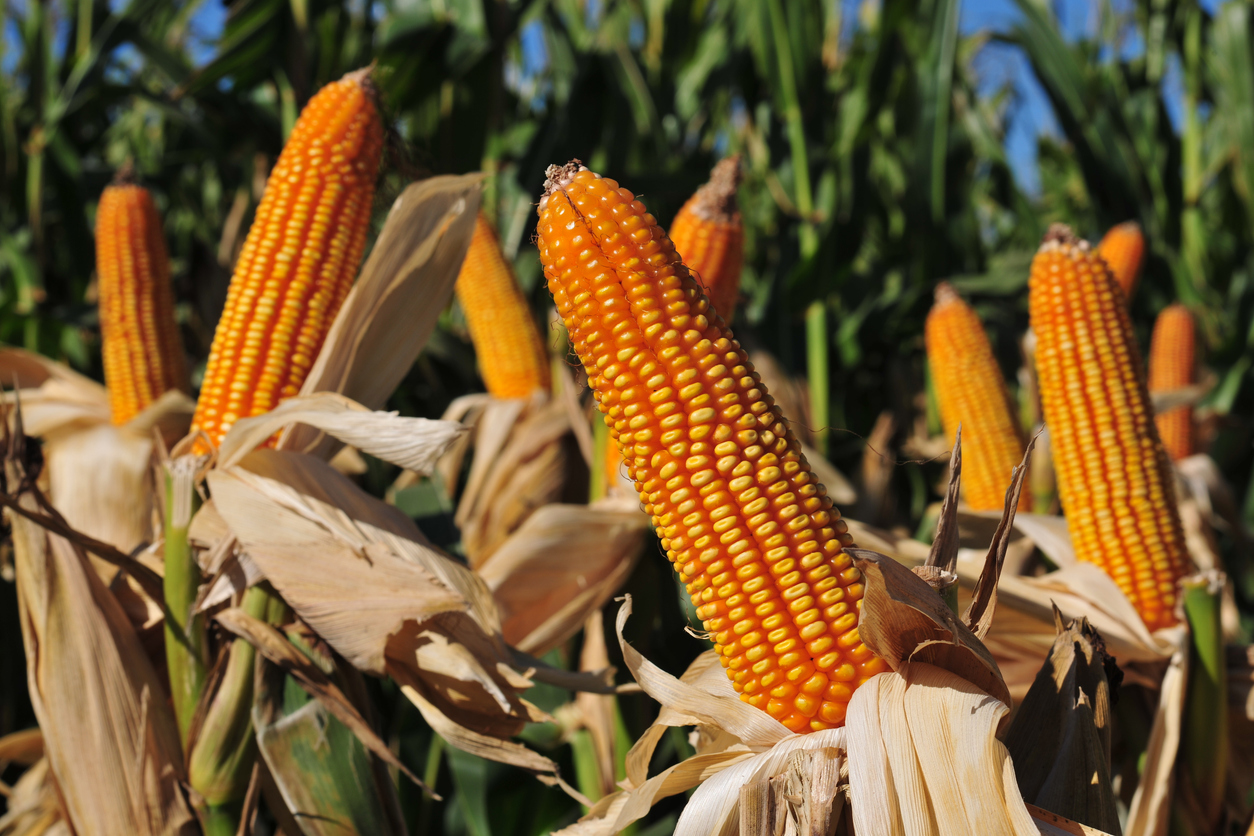
The European Food Safety Authority (EFSA) has published its scientific assessment of the 2024 post-market environmental monitoring (PMEM) report for MON 810, the genetically modified insect-resistant maize cultivated in the European Union. Based on a weight-of-evidence evaluation of data provided by the consent holder and Competent Authorities of Portugal and Spain, EFSA concluded that MON 810 cultivation continues to show no evidence of unexpected adverse effects on human health, animal health, or the environment.
The evaluation noted strong compliance with refuge planting requirements designed to prevent pest resistance, particularly in Portugal and Spain. Field samplings of European corn borer populations in north-eastern Spain showed no practical resistance to the plant's insecticidal protein (Cry1Ab). However, researchers observed persistent low susceptibility and indications of resistance alleles in Mediterranean corn borer populations from the region, prompting EFSA to call for increased sensitivity in future resistance-monitoring strategies.
To address ongoing environmental considerations, EFSA emphasized the need for clearer data and management measures regarding isolation distances to protect non-target butterfly and moth species from pollen exposure. Looking ahead, after more than two decades of MON 810 cultivation without evidence of unexpected environmental harm, the agency recommended streamlining general surveillance by focusing on a strengthened farmer complaint mechanism integrated with established national plant health monitoring systems.
For more details, download nd read the open-access scientific assessment in the EFSA Journal.
| |
You might also like:
- EFSA Issues 2022 Post-market Environmental Monitoring Report on the Cultivation of GM Maize MON 810
- GM Maize MON810 Shows No Adverse Effects on Surface-active Springtails
- EFSA Study Concludes Maize MON810 Poses No Risk to Humans, Animals, or the Environment
Biotech Updates is a weekly newsletter of ISAAA, a not-for-profit organization. It is distributed for free to over 22,000 subscribers worldwide to inform them about the key developments in biosciences, especially in biotechnology. Your support will help us in our mission to feed the world with knowledge. You can help by donating as little as $10.
-
See more articles:
-
Plant
- ICRISAT Receives Humanitarian License for Use of CRISPR-Cas9
- Study Identifies Key Drivers of NGT Adoption Among Farmers in Slovakia
- USDA APHIS Deregulates GE Corn with Multiple Herbicide Resistance
- University of Melbourne Seeks Approval for Biofortified GM Wheat Commercial Release
- Engineered Lettuce and Tobacco Plants to Produce Meat Protein
- EFSA Assessment Finds No Unanticipated Safety Risks from MON 810
- Biotech for Reel: Reel-Making Competition on Agri-Biotech Applications
-
Environment
- Be Part of ASCA2026 in Malaysia
-
Read the latest: - Biotech Updates (September 30, 2026)
- Gene Editing Supplement (September 30, 2026)
- Gene Drive Supplement (February 22, 2023)
-
Subscribe to BU: - Share
- Tweet