

Scientists Unlock Mung Bean Genetic Secrets in Breakthrough Global Study
July 15, 2026| |
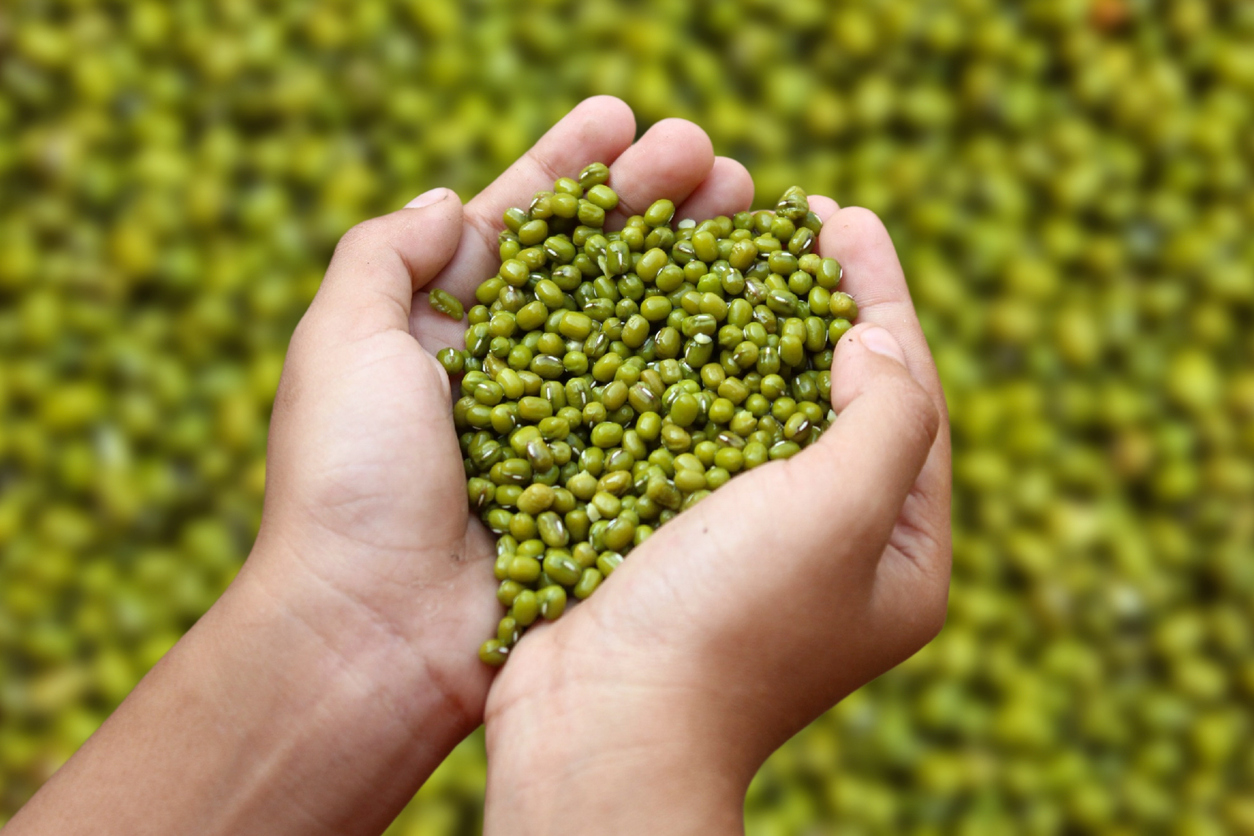
An international research team has mapped the world's first graph-based pan-genome for mung bean, unlocking crucial genetic secrets to improve the crop's resilience and yield. Co-led by Murdoch University's Centre for Crop and Food Innovation (CCFI) and the Chinese Academy of Agricultural Sciences, the landmark study was published in Nature Genetics.
By analyzing 580 global accessions, the team successfully identified more than 75,000 gene families and over 66,000 previously hidden structural variations that directly influence key agricultural traits. This breakthrough is highly significant for Australia, where the mung bean is a lucrative summer pulse crop, generating over $100 million annually in export revenue. Because mung beans fetch roughly three times the price of wheat per tonne, they offer an incredibly profitable break crop opportunity for local growers. However, Australia's highly volatile seasonal rainfall frequently triggers severe year-to-year swings in crop size and value, a problem that this new genetic map aims to directly solve.
On a global scale, the discovery promises to bolster food security for millions of smallholder farmers across Asia and Africa who depend on the crop for both income and nutrition. CCFI Director Professor Rajeev Varshney noted that the newfound data exposes previously invisible structural traits, such as resistance to the devastating bruchid storage pest and vital seed nutritional compounds. Moving forward, breeders will use these advanced genomic tools to rapidly fast-track the development of climate-resilient, higher-yielding, and more nutritious mung bean varieties.
For more details, read the article in Murdoch University News.
| |
You might also like:
- Plasma-Activated Water Boosts Germination and Growth of Mung Beans
- Team from Australia Develops Drought Tolerant Mungbean
- Mungbean Expressing BjNPR1 Show Better Resistance Against Seedling Rot Fungus
Biotech Updates is a weekly newsletter of ISAAA, a not-for-profit organization. It is distributed for free to over 22,000 subscribers worldwide to inform them about the key developments in biosciences, especially in biotechnology. Your support will help us in our mission to feed the world with knowledge. You can help by donating as little as $10.
-
See more articles:
-
Plant
- Gene Editing Improves Rice Resistance to Yellow Mottle Virus
- Experts Call for Stronger Farmer Education on Gene-Edited Crops
- Scientists Unlock Mung Bean Genetic Secrets in Breakthrough Global Study
- Join ASCA2026 in Malaysia
- High-Zinc Rice Achieves High Yield in Ilocos Norte Pilot in the Philippines
- EFSA Proposes Streamlined Risk Assessment for Stacked GM Crops
- Camp Helix Strengthens Interest in Agri-biotech Among SHS Learners and Teachers
-
Environment
- UN Releases SDG Progress Report
-
Read the latest: - Biotech Updates (October 7, 2026)
- Gene Editing Supplement (September 30, 2026)
- Gene Drive Supplement (February 22, 2023)
-
Subscribe to BU: - Share
- Tweet