

Zhejiang University Develops Rapid Visual Test for Tomato Leaf Curl Virus Using CRISPR
June 10, 2026| |
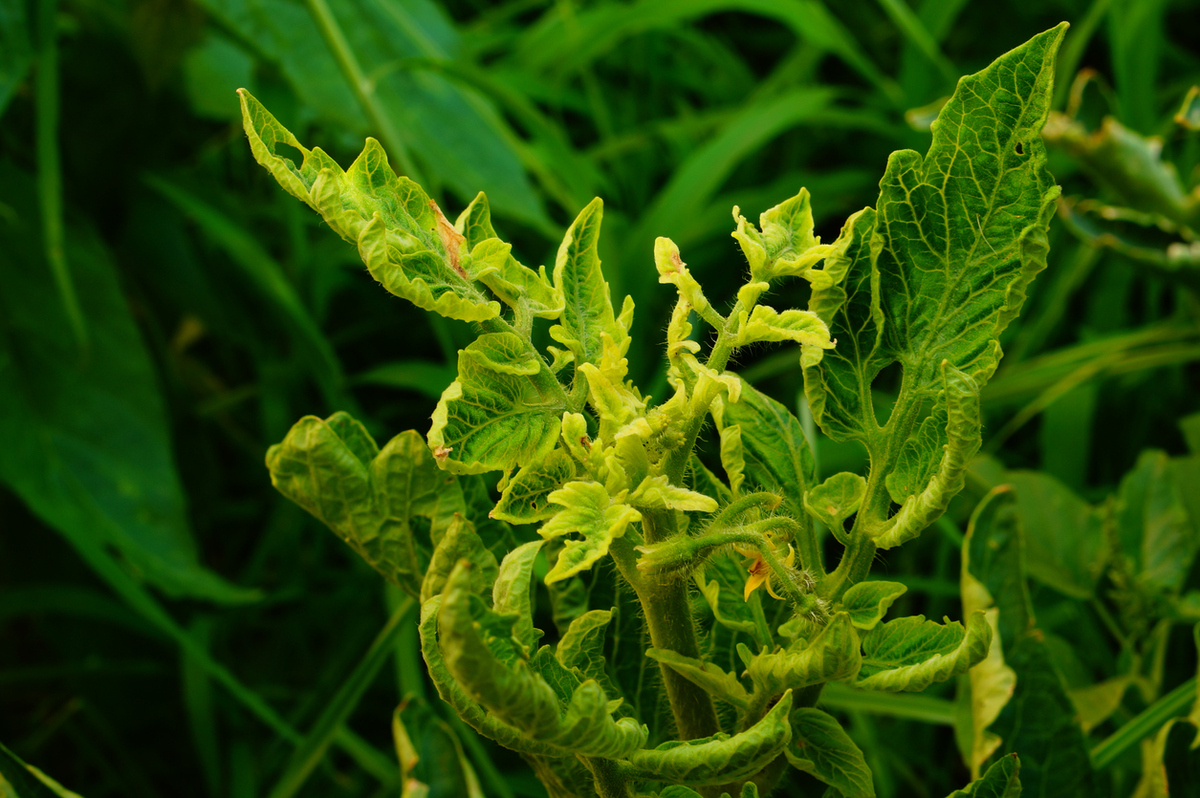
Experts from Zhejiang University have developed a new rapid visual detection method for Tomato leaf curl New Delhi virus (ToLCNDV), a plant pathogen that causes major crop losses worldwide. The system is designed to improve early field diagnosis and help control the spread of the virus in important crops, such as members of the Solanaceae and Cucurbitaceae families.
The method combines recombinase-aided amplification (RAA) with the CRISPR-Cas12a system to develop a rapid, reliable, and cost-effective field diagnosis of ToLCNDV. The findings of the study showed high specificity, with no cross-reaction with closely related plant viruses and a viral detection limit reaching 101 copies/µL. Evaluation of 28 samples confirmed results consistent with conventional polymerase chain reaction (PCR) detection.
Twelve field samples were further tested using a one-pot RAA-CRISPR-Cas12a system combined with a crude DNA extraction method, and the results were consistent with earlier findings, which confirms the method's suitability for field use. Overall, the researchers conclude that the one-pot visual detection system could provide a one-pot visual detection tool for on-site diagnosis of ToLCNDV.
For more information, read the abstract from Chemical and Biological Technologies in Agriculture.
| |
You might also like:
- Scientists Use Gene Editing to Combat Tomato Leaf Curl New Delhi Virus
- Genetic Pathway Found to Boost Tomato Yield Without Affecting Quality
- Pocket K No. 22: Plant Disease Diagnostics
Biotech Updates is a weekly newsletter of ISAAA, a not-for-profit organization. It is distributed for free to over 22,000 subscribers worldwide to inform them about the key developments in biosciences, especially in biotechnology. Your support will help us in our mission to feed the world with knowledge. Support ISAAA by subscribing as a Premium or Elite Subscriber
-
See more articles:
-
Plant
- USDA APHIS Extends Deregulation of GE Corn DP51291
- Chinese Scientists Develop All-in-One Platform for Crop Trait Stacking
- Study Explores GM Technology Perceptions Among Chinese Youth
- Zhejiang University Develops Rapid Visual Test for Tomato Leaf Curl Virus Using CRISPR
- Canada Clears Gene-Edited High-GABA Tomato as Safe Non-Novel Food
- Chinese Researchers Identify Key Gene for High Protein Content in Maize
-
Food
- ISAAA and MABIC Announce 2026 Asian Short Course in Malaysia
-
Environment
- Global Survey Seeks Researcher Input on Capacity-Building and Non-Monetary Benefit Sharing for DSI
-
Read the latest: - Biotech Updates (October 21, 2026)
- Gene Editing Supplement (September 30, 2026)
- Gene Drive Supplement (February 22, 2023)
-
Subscribe to BU: - Share
- Tweet