

Chinese Researchers Identify Key Gene for High Protein Content in Maize
June 10, 2026| |
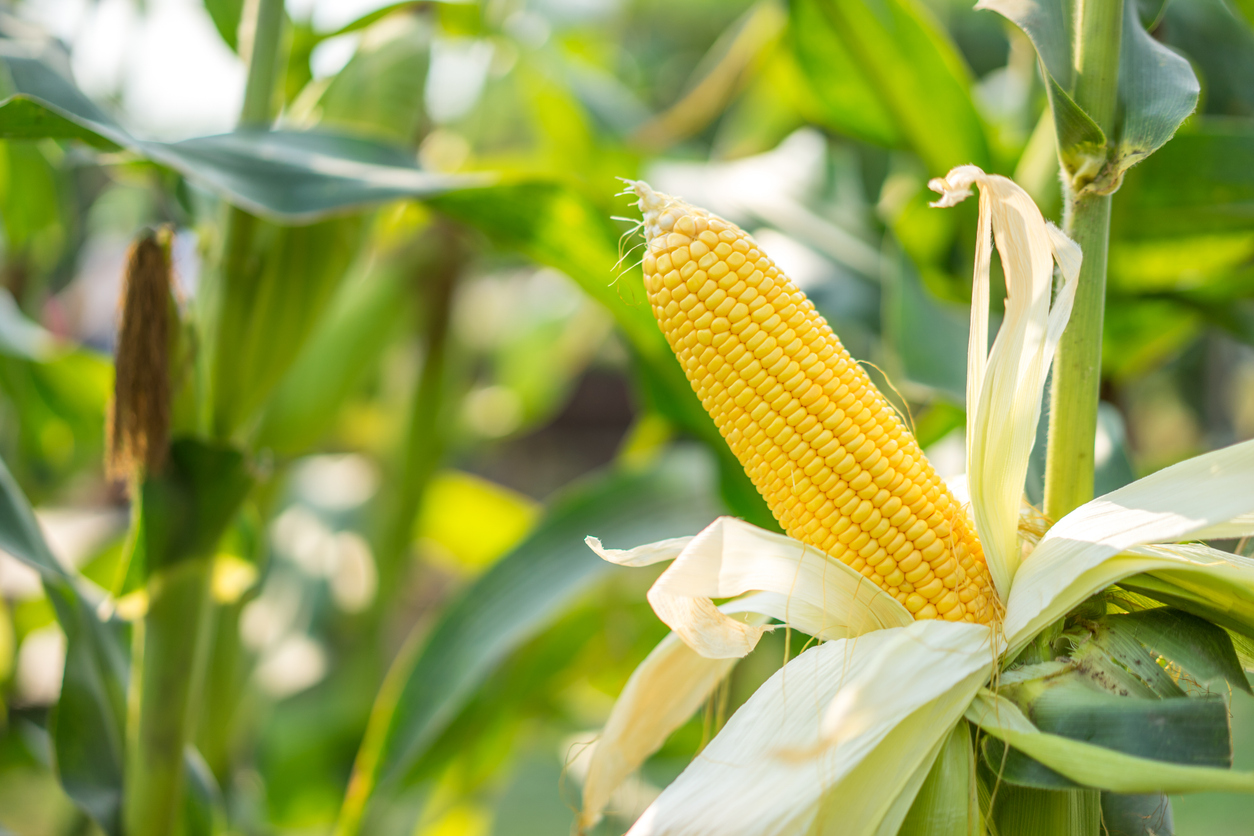
Chinese scientists have successfully isolated a key gene from teosinte, the wild ancestor of modern corn, that dramatically increases the protein content in maize seeds. Published in the journal Nature, the research was led by the Chinese Academy of Sciences (CAS), along with Shanghai Normal University and Sichuan Agricultural University. The discovery provides a powerful genetic tool to reverse a historical trend: over 9,000 years of domestication, modern corn varieties lost crucial ancestral genes, resulting in lower protein levels that make livestock industries heavily reliant on imported soybean meal.
The researchers identified the specific gene as Teosinte high protein 3 (THP3-T), which controls an enzyme central to how the plant processes nitrogen into protein. Over centuries of selective breeding for higher grain yields, this beneficial gene was inadvertently weeded out, leaving it present in just 2.1% of modern maize lines. By studying its mechanics, the team discovered that natural variations in this ancestral gene optimize the plant's nutrient transport, allowing it to pack far more protein into its seeds.
To test the real-world impact, the scientists bred this rediscovered gene alongside another previously found high-protein gene into Zhengdan958, one of China's most widely grown commercial corn hybrids. The results were striking: the protein content of the corn seeds jumped from 8.5% to as high as 13%, and the overall protein of the entire plant increased without sacrificing any crop yield. This genetic pairing offers a highly promising strategy for breeding premium, high-protein crops to help meet rising global demand for food and livestock feed.
For more details, read the research news in the CAS Newsroom.
| |
You might also like:
- GM Maize Reduces Pest Damage and Boosts Yields in Northeast China
- USDA-APHIS Deregulates GE Insect Resistant Corn MON 95275
- Experts Use CRISPR-Cas12i3 to Improve Elite Corn Line
Biotech Updates is a weekly newsletter of ISAAA, a not-for-profit organization. It is distributed for free to over 22,000 subscribers worldwide to inform them about the key developments in biosciences, especially in biotechnology. Your support will help us in our mission to feed the world with knowledge. Support ISAAA by subscribing as a Premium or Elite Subscriber
-
See more articles:
-
Plant
- USDA APHIS Extends Deregulation of GE Corn DP51291
- Chinese Scientists Develop All-in-One Platform for Crop Trait Stacking
- Study Explores GM Technology Perceptions Among Chinese Youth
- Zhejiang University Develops Rapid Visual Test for Tomato Leaf Curl Virus Using CRISPR
- Canada Clears Gene-Edited High-GABA Tomato as Safe Non-Novel Food
- Chinese Researchers Identify Key Gene for High Protein Content in Maize
-
Food
- ISAAA and MABIC Announce 2026 Asian Short Course in Malaysia
-
Environment
- Global Survey Seeks Researcher Input on Capacity-Building and Non-Monetary Benefit Sharing for DSI
-
Read the latest: - Biotech Updates (October 21, 2026)
- Gene Editing Supplement (September 30, 2026)
- Gene Drive Supplement (February 22, 2023)
-
Subscribe to BU: - Share
- Tweet