

Research Shows Drought-Stressed Canola, Tomatoes, and Rice Block Iron Uptake
June 3, 2026| |
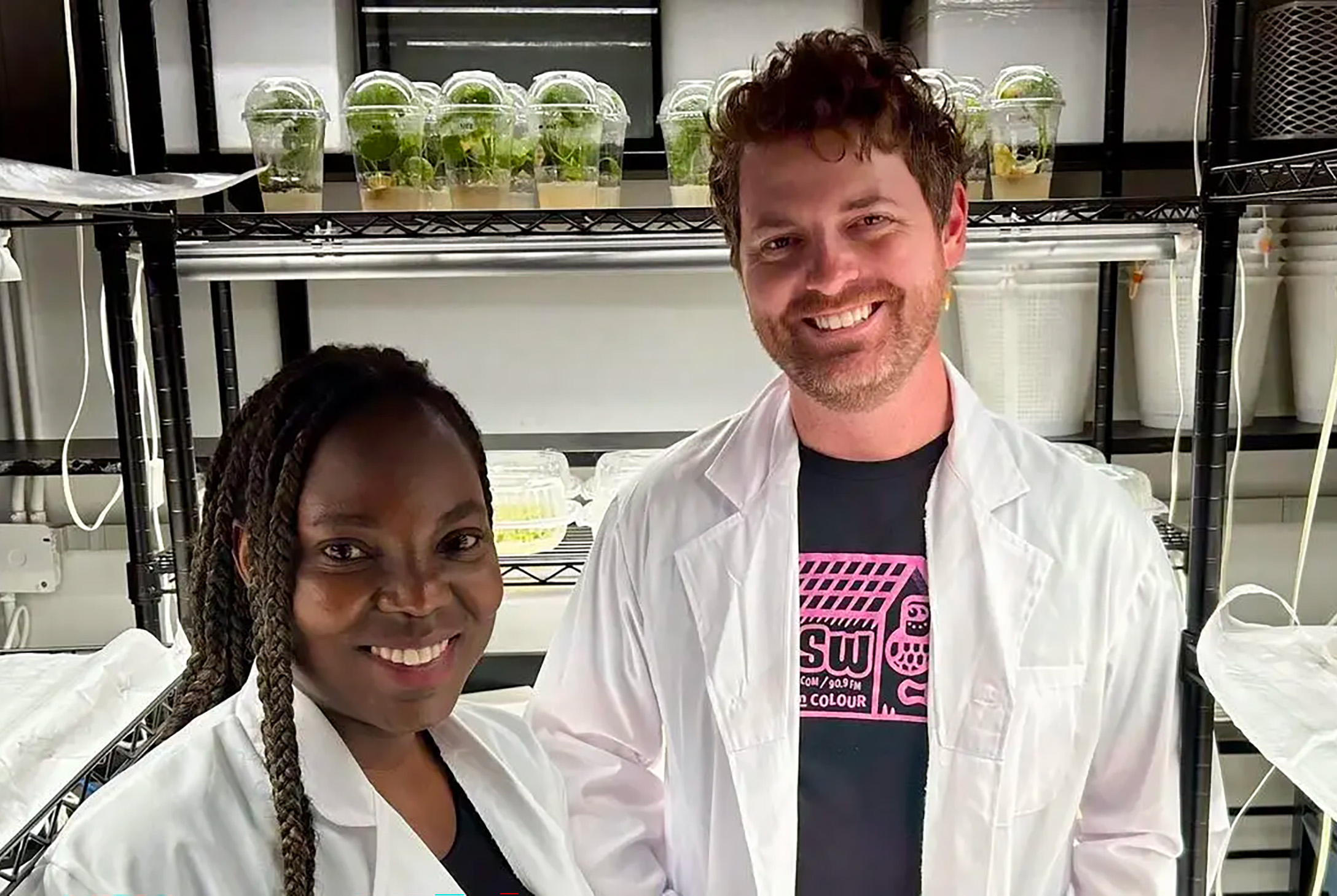
A study by scientists at the University of Calgary (UCalgary) has revealed that major agricultural crops, including canola, tomatoes, and rice, actively shut down their ability to absorb iron during drought. Published in the journal Cell, the research shows that drought stress triggers a fundamental genetic wiring change in plant roots. Instead of sending out a "cry for help" to soil microbes, drought-stressed plants simultaneously dial down both their immune systems and their inner iron-uptake machinery.
Lead author Dr. Connor Fitzpatrick, an assistant professor in UCalgary's Faculty of Science, explained that this biological shift alters how plants manage nutrients and interact with their environment. While the suppression of the plant's immune system allows a specific group of soil bacteria called *Streptomyces* to thrive, it does not guarantee a healthier plant. By testing their hypotheses on a wide variety of species, the research team proved that this iron-blocking mechanism is a widespread defense or stress response shared across vastly different types of crops.
The study's findings have troubling implications for global food security and human nutrition, particularly as climate change increases the frequency and severity of droughts worldwide. Because billions of people rely on crops like cereals and legumes for their dietary iron, water scarcity may not only lower crop yields but also diminish the actual nutritional quality of the food produced. Looking ahead, researchers hope these insights will pave the way for new agricultural innovations, such as specialized probiotic soil treatments or precision crop breeding designed to sustain iron uptake during dry spells.
For more details, read the article in UCalgary News.
| |
You might also like:
- CRISPR Rice Exhibits Improved Photosynthesis Under Drought Stress
- Heidelberg University Researchers Discover Plant's Drought-Survival Mechanism
- Research Pinpoints Key Gene in Enhancing Drought Tolerance in Rice
Biotech Updates is a weekly newsletter of ISAAA, a not-for-profit organization. It is distributed for free to over 22,000 subscribers worldwide to inform them about the key developments in biosciences, especially in biotechnology. Your support will help us in our mission to feed the world with knowledge. You can help by donating as little as $10.
-
See more articles:
-
Plant
- Rothamsted Research Drills First Precision-Bred Crop in Historic Field Trial
- Wheat Gene Discovery Boosts Iron Accumulation for Better Nutrition
- Research Shows Drought-Stressed Canola, Tomatoes, and Rice Block Iron Uptake
-
Animal
- Study Finds Strong Public Support for GM Mosquitoes in Mali
-
Food
- Researchers Boost Cultivated Meat Cell Growth at Lower Cost
- FAO: Food Availability, Accessibility, Affordability, and Quality Necessary for Food Security
-
Environment
- High-yielding Bt Cotton Variety Withstands Biotic and Abiotic Stresses
- Study Reveals How Farmers’ Risk Preferences Drive Climate Adaptation Decisions
-
Read the latest: - Biotech Updates (September 9, 2026)
- Gene Editing Supplement (August 26, 2026)
- Gene Drive Supplement (February 22, 2023)
-
Subscribe to BU: - Share
- Tweet