

Wheat Gene Discovery Boosts Iron Accumulation for Better Nutrition
June 3, 2026| |
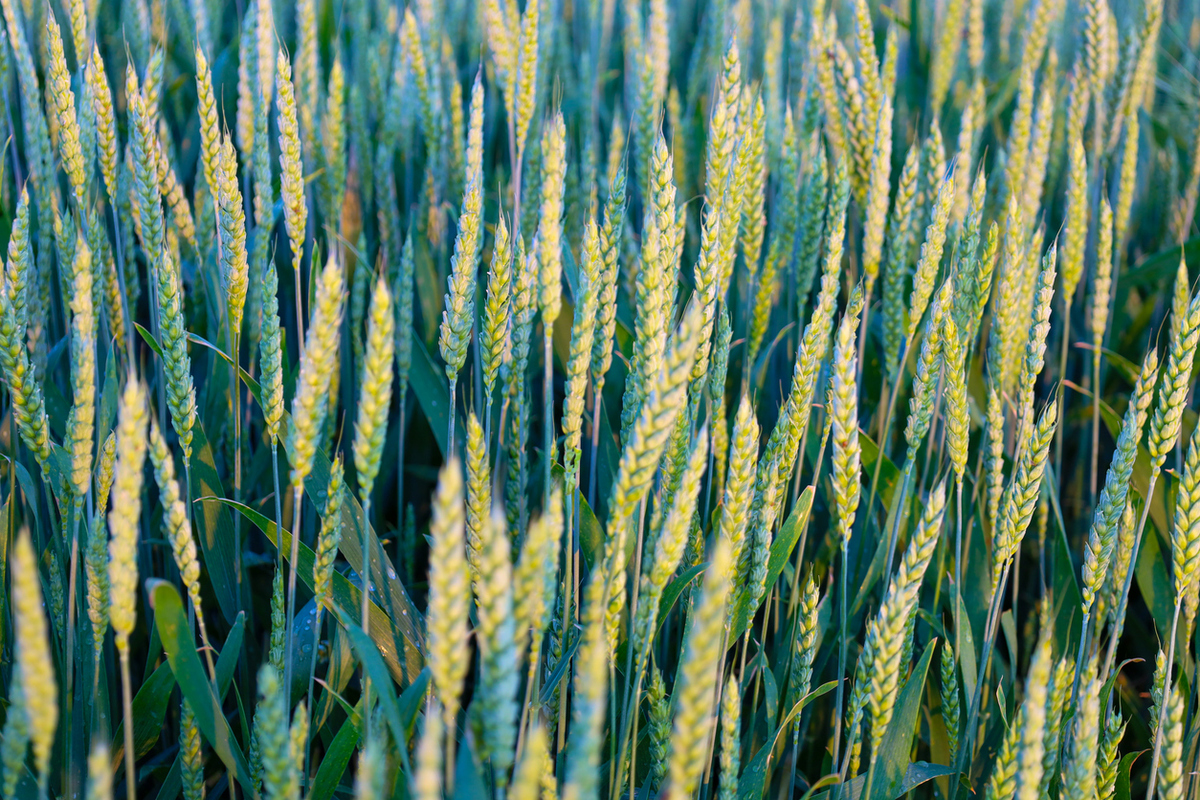
Experts from Henan Agricultural University in China have identified a key wheat gene that helps regulate iron uptake and storage. The study focuses on the transcription factor TaPIL1, which plays a central role in activating iron-related responses in wheat plants. Their study is a breakthrough that could support efforts to breed more nutritious wheat varieties and address iron deficiency anemia.
The researchers found that the expression level of TaPIL1 increases when the plant is exposed to iron deficiency treatment. In their study, the findings showed that the TaPIL1-5D overexpressed (OE) plant lines accumulated more iron content in the root, shoot, and white flour from the grain compared with the wild-type (WT) plants. They also found that Fe storage-related genes, such as NRAMP3 and Fer1, had higher expression levels in OE lines than in WT.
The study revealed that the seedlings and grains of wheat varieties carrying the elite of TaPIL1-5B showed higher expression of the TaNRAMP3 and TaFer1 genes and increased iron content compared with non-elite haplotype wheat varieties. Overall, the findings indicate that the TaPIL1–TaNRAMP3/TaFer1 module plays a key role in iron accumulation in wheat and could be used in future wheat breeding programs to enhance iron content.
For more information, read the study from SSRN.
| |
You might also like:
- High-Iron Wheat Awaits Approval for Field Trials in the UK
- Iron-biofortified Rice Developed to Help Combat Iron Deficiency Anemia
- Philippines Approves Commercial Propagation of High Iron and Zinc Rice
Biotech Updates is a weekly newsletter of ISAAA, a not-for-profit organization. It is distributed for free to over 22,000 subscribers worldwide to inform them about the key developments in biosciences, especially in biotechnology. Your support will help us in our mission to feed the world with knowledge. You can help by donating as little as $10.
-
See more articles:
-
Plant
- Rothamsted Research Drills First Precision-Bred Crop in Historic Field Trial
- Wheat Gene Discovery Boosts Iron Accumulation for Better Nutrition
- Research Shows Drought-Stressed Canola, Tomatoes, and Rice Block Iron Uptake
-
Animal
- Study Finds Strong Public Support for GM Mosquitoes in Mali
-
Food
- Researchers Boost Cultivated Meat Cell Growth at Lower Cost
- FAO: Food Availability, Accessibility, Affordability, and Quality Necessary for Food Security
-
Environment
- High-yielding Bt Cotton Variety Withstands Biotic and Abiotic Stresses
- Study Reveals How Farmers’ Risk Preferences Drive Climate Adaptation Decisions
-
Read the latest: - Biotech Updates (September 9, 2026)
- Gene Editing Supplement (August 26, 2026)
- Gene Drive Supplement (February 22, 2023)
-
Subscribe to BU: - Share
- Tweet