

How Bacteria Are Transforming Food, Agriculture, Health, and the Environment Through Biotechnology
| |
You may not see them with the naked eye, but bacteria are among the most influential organisms on Earth. Often feared as agents of disease, bacteria are now being used as essential tools in biotechnology to transform the way we produce food, protect crops, treat illnesses, and conserve the environment.
From fermenting everyday staples like yogurt and cheese, bacterial applications are quietly evolving in many ways to address global challenges such as food security, climate change, and public health. In this blog, some of the remarkable biotechnological applications of bacteria are discussed.
Applications in Food Production

Recent advances in biotechnology highlight how bacteria can transform the way we produce healthier and more sustainable food ingredients. Researchers at Tufts University have engineered Escherichia coli (E. coli) to efficiently convert glucose into tagatose, a low-calorie sugar that closely mimics the taste of conventional sugar but with significantly fewer health risks. With yields reaching up to 95%, this innovation offers a promising alternative for individuals at risk of obesity, insulin resistance, and diabetes. Recognized as safe by the US Food and Drug Administration (FDA), tagatose could soon become a widely accessible substitute for traditional sweeteners.
Beyond enhancing nutrition, bacteria are also opening new pathways for sustainable food production. Scientists from the University of Edinburgh have developed a method to convert plastic waste into vanillin, the key compound responsible for vanilla flavor, using engineered E. coli. By breaking down PET plastics into chemical components and biologically transforming them into valuable food additives, this approach not only reduces environmental waste but also creates a novel source of flavoring. These innovations illustrate the growing role of bacteria in building a circular food system, where waste materials are repurposed into useful and safe consumable products.
Applications in Agriculture
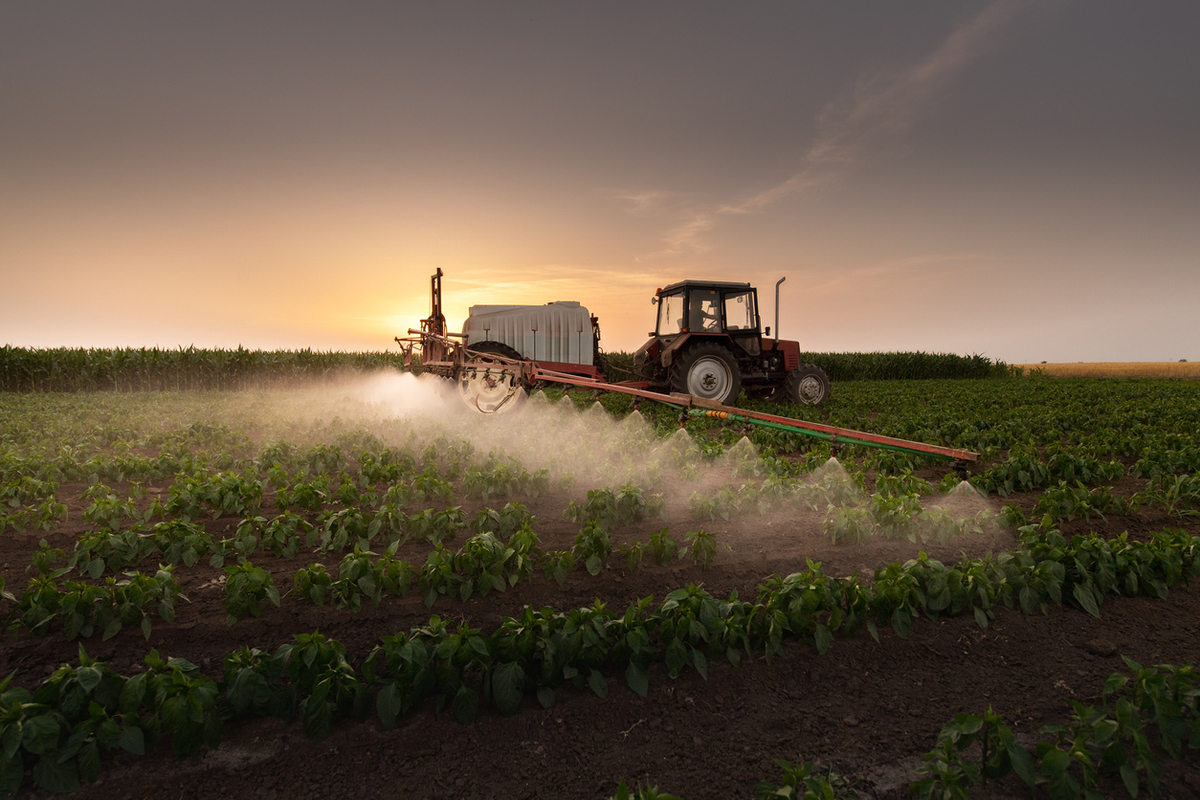
Building on their transformative role in food production, bacteria are also reshaping modern agriculture through innovative and sustainable technologies. Researchers at Cornell University have engineered E. coli to function as a living biosensor capable of detecting arsenic contamination in soil and water. Using a genetic system triggered by the enzyme Cre recombinase, these bacteria can record arsenic exposure in their DNA and emit a fluorescent signal when arsenic is present. This technology operates in both aerobic and anaerobic conditions and can detect extremely low concentrations.
A study from the University of Illinois Urbana-Champaign found that gene-edited soil bacteria can provide crops with significant amounts of nitrogen by enhancing nitrogen fixation. These modified microbes increase the activity of key genes, allowing them to convert atmospheric nitrogen into forms that plants can readily use. When introduced during planting, the bacteria colonize corn roots and directly supply nutrients where they are most needed. As a result, corn showed improved growth and yields, with gains comparable to applying 10-35 pounds of nitrogen fertilizer per acre.
Further expanding the potential of microbial agriculture, researchers from Eternal University have identified strains of Rahnella with strong nitrogen-fixing and plant growth-promoting abilities. When introduced to wheat crops, these bacteria increased chlorophyll content and essential nutrients, such as iron, zinc, and nitrogen. These applications in agriculture highlight the growing role of beneficial bacteria in enhancing crop productivity while supporting sustainable farming practices.
Applications in Health and Medicine
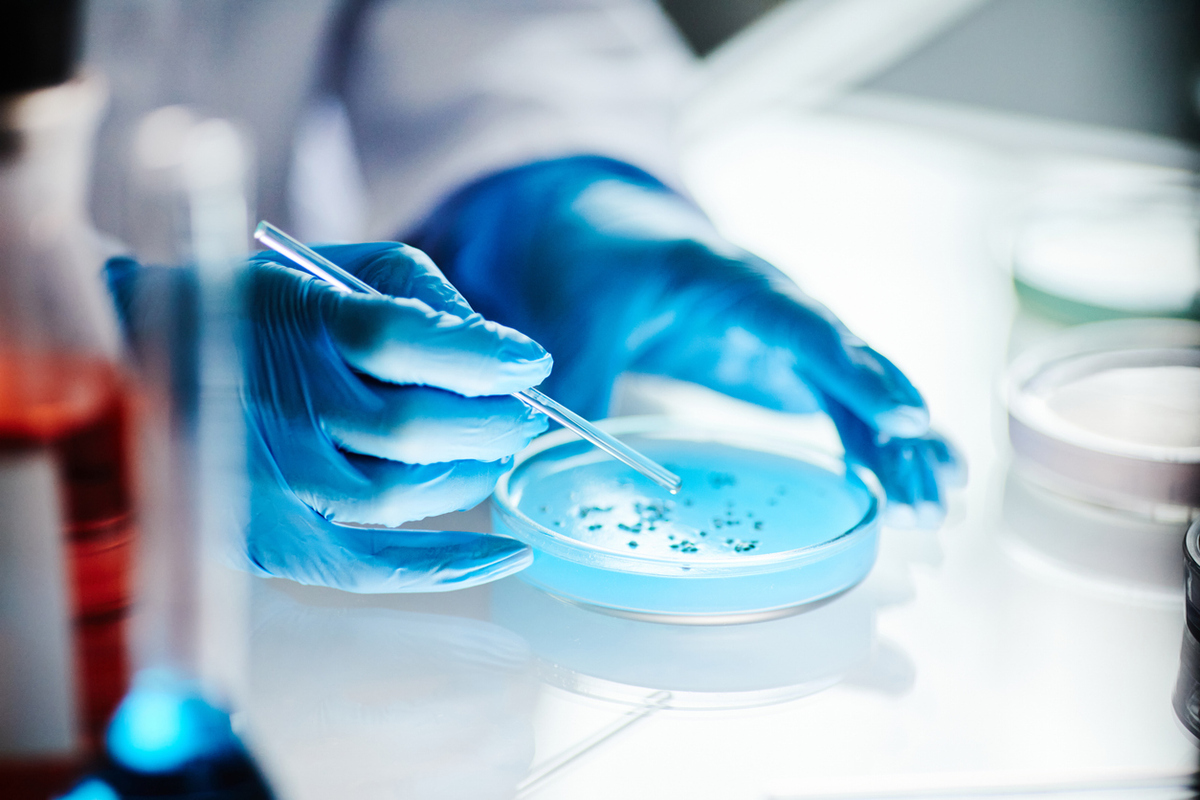
Biotechnological applications of bacteria are also making breakthroughs in human health. Researchers at the University of Edinburgh have engineered E. coli to convert plastic waste into L-DOPA, a key drug used to treat Parkinson's disease. In this process, PET plastics are broken down into chemical components that are then biologically transformed into the medication. This approach not only provides an alternative method for pharmaceutical production but also highlights the potential of bacteria to simultaneously address medical needs and environmental challenges.
Applications in the Environment
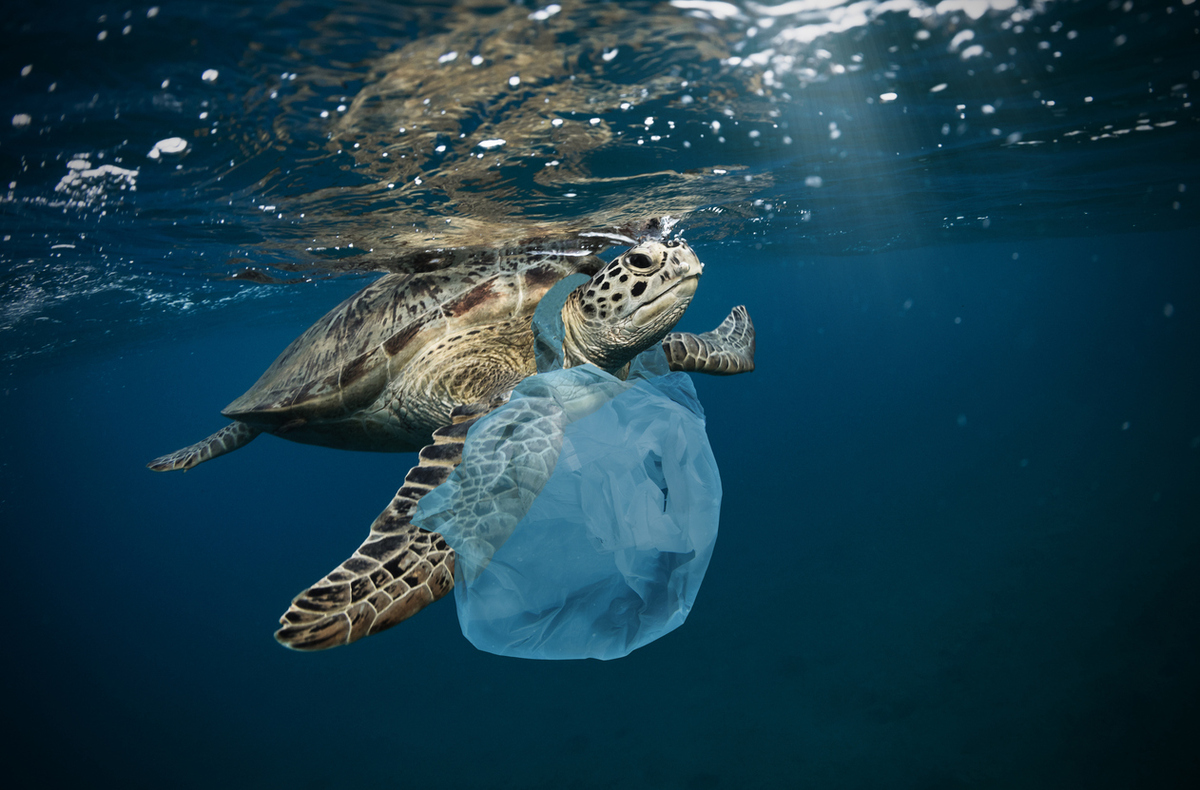
Bacteria demonstrate their widest applications in environmental conservation and sustainability. Researchers at Ruhr University Bochum found that the bacterium Rhodococcus opacus can break down harmful environmental pollutants like phenols and styrenes using a wide range of enzymes. A large genome in the bacterium allows it to adapt to different environmental conditions, including changes in oxygen, temperature, and nutrient availability. Even when certain enzymes are inactive, the bacterium can activate alternative pathways, making it a highly efficient and resilient “clean-up specialist.”
Separate research efforts highlight diverse solutions to plastic pollution and sustainable materials. At the University of Waterloo, scientists are developing microbes that can degrade plastics, convert them into energy, and even metabolize both carbon dioxide and plastic waste through engineered pathways. Meanwhile, bioengineers at Kobe University have modified E. coli to produce pyridinedicarboxylic acid (PDCA), a promising eco-friendly alternative to PET plastics. In a separate study, researchers from North Carolina State University engineered Vibrio natriegens using genes from Ideonella sakaiensis to break down PET in marine environments. This innovative approach aims to address ocean plastic waste.
Researchers at École Polytechnique Fédérale de Lausanne (EPFL) in Switzerland have also engineered E. coli to generate electricity from wastewater through Extracellular Electron Transfer (EET). The system was enhanced by integrating components from Shewanella oneidensis MR-1, a famous bacterium for generating electricity, to create a complete EET pathway. This breakthrough demonstrates a novel way of converting organic waste into usable energy.
Researchers at Imperial College London engineered the bacterium Komagataeibacter rhaeticus to produce animal- and plastic-free leather from self-pigmenting bacterial cellulose. This biofabricated material can naturally dye itself and has already been used to create prototype items like shoes and wallets.
Lastly, scientists from Lawrence Berkeley National Laboratory and partners have engineered bacteria to produce next-generation renewable fuels with energy densities surpassing traditional fossil fuels. The engineered soil bacteria produced polycyclopropanated fatty acids (POP-FAs), which can be converted into high-energy fuels for shipping, aviation, and space travel. The team increased POP-FA production 22-fold to develop biological systems that can create sustainable, high-performance alternatives to conventional hydrocarbon fuels.
For more information, visit the ISAAA website, subscribe to the Biotech Updates, or follow ISAAA on Facebook, Instagram, X, and LinkedIn.
| Newer Post | Archive | Older Post |
Science Speaks is ISAAA Inc.'s official blog. Weekly blog articles, authored by ISAAA writers, partners, and invited contributors, aim to help share, disseminate, and promote scientific knowledge and its vital role in achieving global agricultural sustainability and development. Your support to Science Speaks will help us achieve this goal. You can help us by donating as little as $10.