

Scientists in Germany Reveal How Soil Bacteria Break Down Toxic Chemicals in the Environment
April 1, 2026| |
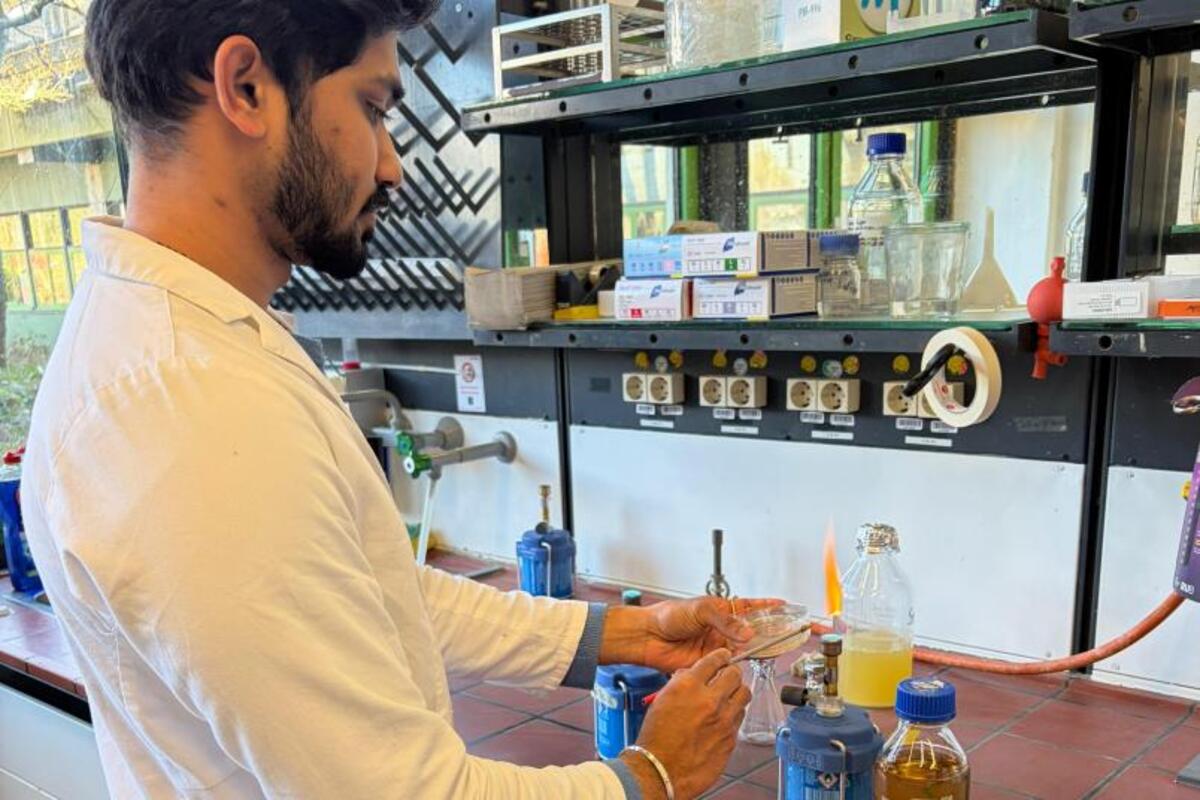
The team at Ruhr University Bochum, led by Professor Dirk Tischler, revealed how soil bacteria can help clean up toxic chemicals that are harmful to the environment. The research team found that a large genome in the bacterium Rhodococcus opacus 1CP contains multiple enzymes capable of breaking down harmful aromatic compounds, such as phenols, cresols, and styrenes. The findings of the study were published in Applied and Environmental Microbiology.
Prof. Tischler explained that these bacteria can act as “clean-up specialists” under a wide variety of environmental conditions. The enzymes in Rhodococcus opacus 1CP work in specific sequences to form metabolic pathways that break down aromatic compounds. “Understanding these processes is very important to us because it not only helps us understand how to remove pollutants from the environment, but also how to support ecosystems in doing this themselves,” Prof. Tischler said.
The bacterium's genome contains redundant enzymes, allowing it to adapt to varying conditions, including changes in oxygen, temperature, or nutrient levels. The study also found that when certain enzymes are switched off, new metabolic pathways open up and become active. Two or three enzymes of the same class are typically involved in the initial activation, and if these enzymes are switched off, others are recruited to break down the chemicals through alternative pathways.
For more information, read the Press Release from the Ruhr University Bochum.
| |
You might also like:
- Gene-edited Soil Bacteria Could Provide More Nitrogen for Corn
- Rice Enzyme Helps Break Down Harmful Herbicide Residues
- Emerging Biotechnological Solutions for Plastic Waste Management
Biotech Updates is a weekly newsletter of ISAAA, a not-for-profit organization. It is distributed for free to over 22,000 subscribers worldwide to inform them about the key developments in biosciences, especially in biotechnology. Your support will help us in our mission to feed the world with knowledge. You can help by donating as little as $10.
-
See more articles:
-
Plant
- Peru Releases Gene Editing Guidelines
- USDA-APHIS Deregulates GE Insect Resistant Corn MON 95275
- Scientists Identify Gene to Improve Root Systems in Cereal Crops
- Wheat Gene Confers Tolerance to Low Temperature in Arabidopsis
- ISAAA Report Presents Top Producers of Biotech/GM Crops in 2024
- Researchers Find Hornworts Could Help Turbocharge Crop Yields
-
Animal
- Novel CRISPR-Based Vaccine Shows Protection Against Marek’s Disease
-
Environment
- Scientists in Germany Reveal How Soil Bacteria Break Down Toxic Chemicals in the Environment
-
Read the latest: - Biotech Updates (September 16, 2026)
- Gene Editing Supplement (August 26, 2026)
- Gene Drive Supplement (February 22, 2023)
-
Subscribe to BU: - Share
- Tweet