

Empowering Smallholders: Hybrid Seminar Highlights Impact of GM Adoption in Indonesia and Beyond
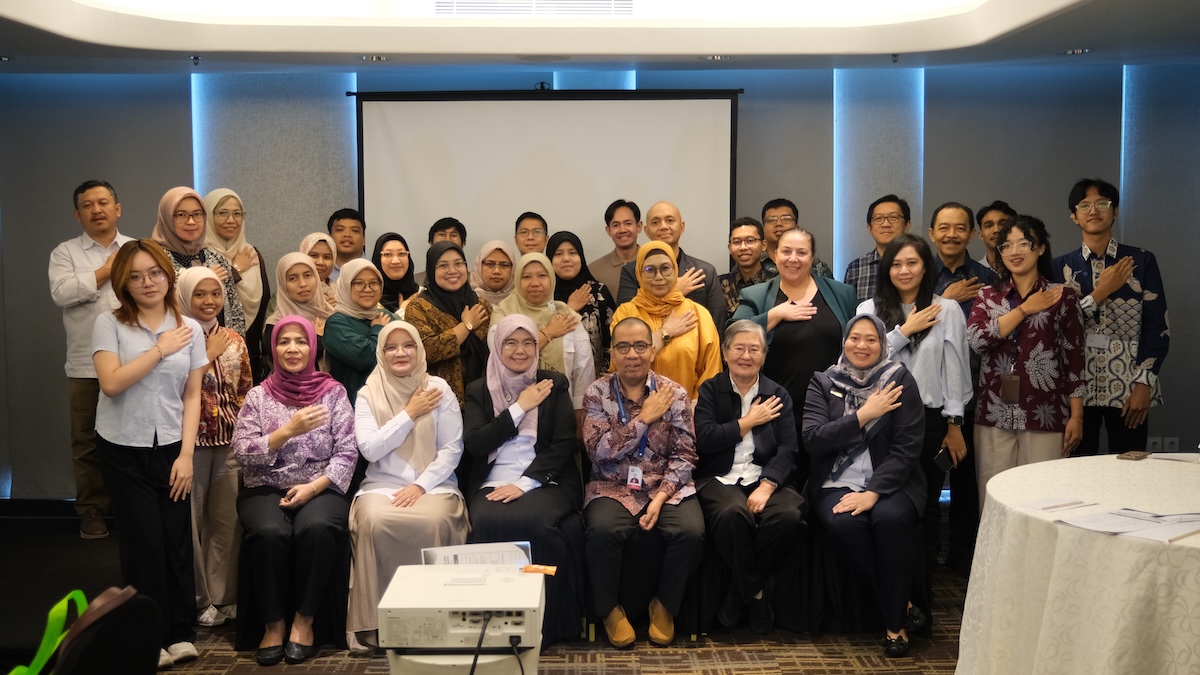
Smallholder farmers are crucial to global food security, yet they often face severe production constraints, climate pressures, and lack of regulatory system supportive of innovation. To highlight how agricultural biotechnology can transform smallholder farmers and their families, the International Service for the Acquisition of Agri-biotech Applications (ISAAA), Inc., in partnership with CropLife Asia and CropLife Indonesia, hosted a hybrid seminar titled Smallholders in the Global Arena: The Socio-Economic Impact of GM Adoption in Indonesia and Beyond. Held on October 14, 2026, at the JS Luwansa Hotel in Jakarta and broadcast live via Zoom, YouTube, and Facebook, the landmark event brought together over 40 on-site attendees and 2,480 online participants from across the globe to discuss Indonesia’s regulatory pathways, global genetically modified (GM) crop adoption trends, and socio-economic impact data.
Blog Archive




Science Speaks is ISAAA Inc.'s official blog. Weekly blog articles, authored by ISAAA writers, partners, and invited contributors, aim to help share, disseminate, and promote scientific knowledge and its vital role in achieving global agricultural sustainability and development. Your support to Science Speaks will help us achieve this goal. Support ISAAA by subscribing as a Premium or Elite Subscriber