Pakistan Introduces Major Biosafety Reforms to GMO Regulation |
|
|
|
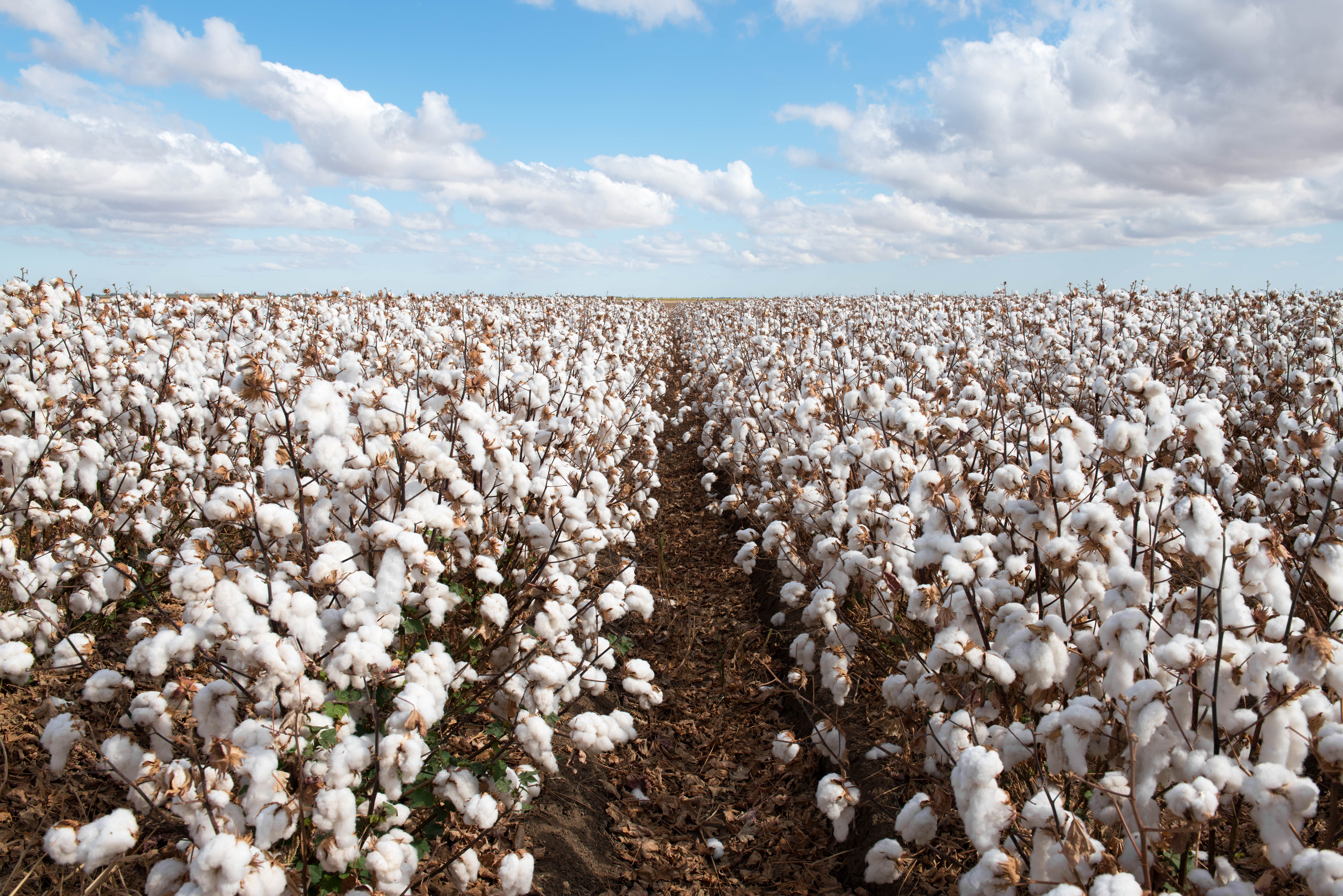
Pakistan's National Biosafety Committee has approved major amendments to the Pakistan Biosafety Rules 2005, significantly liberalizing its genetically modified organisms (GMO) regulatory regime. The reforms aim to transition the country toward a modern, science-based, and business-friendly governance system by simplifying licensing procedures, easing import restrictions, and facilitating laboratory research.
|
|
|
|
|
Scientists Uncover Genetic Secret Behind Stevia's Sweetness |
|
|
|
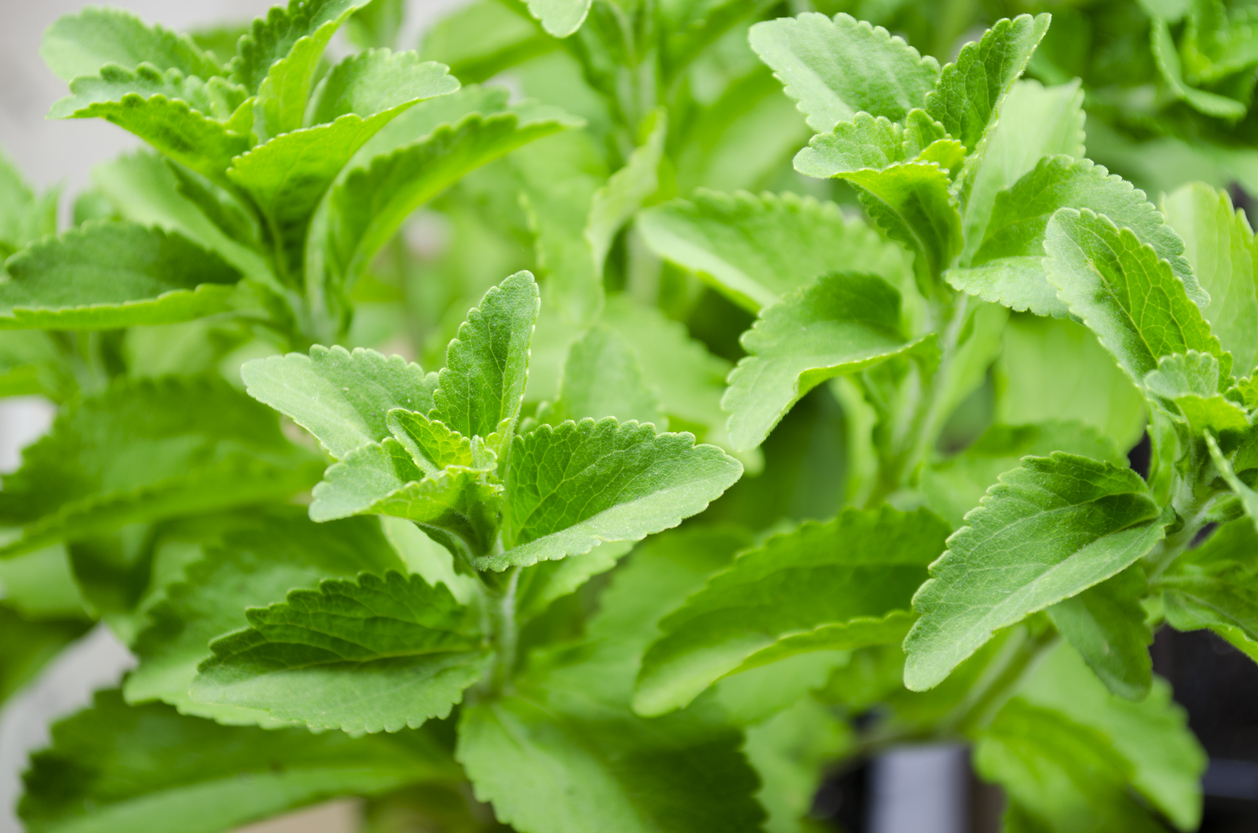
A new study from the University of Toyama has revealed why certain varieties of the natural sweetener stevia possess a cleaner, more sugar-like flavor than others. Sourced from the leaves of Stevia rebaudiana plant, stevia can be up to 300 times sweeter than regular sugar, though some varieties leave an undesirable bitter aftertaste. The research team discovered that stevia's sweetness is fundamentally determined by specific glycosyltransferase genes and their localized, cell-specific activity within the leaf structure.
|
|
|
|
|
CRISPR Reduces Allergy Risk in Cultivated Beef Cells |
|
|
|
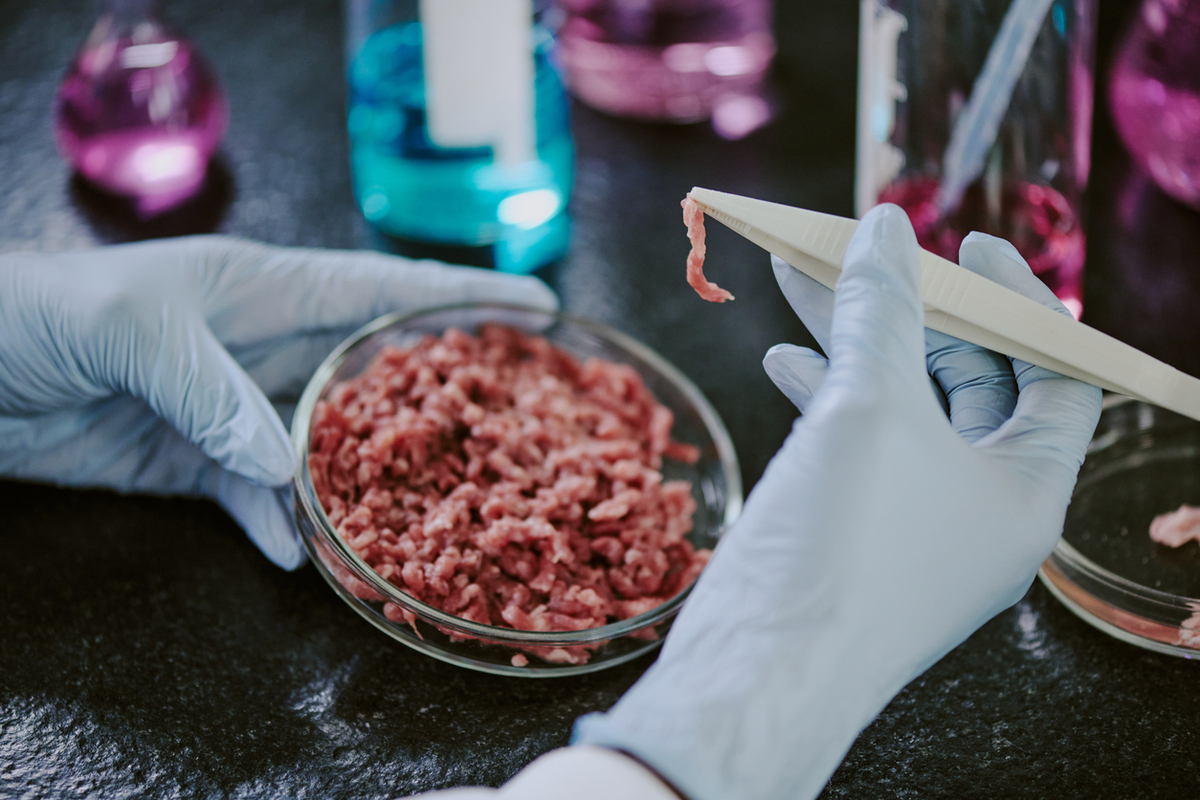
A new study used CRISPR-Cas9 gene editing to develop bovine muscle cells without alpha-gal, a sugar molecule linked to Alpha-Gal Syndrome (AGS), a potentially life-threatening allergy triggered by mammalian meat. The study presents a proof of concept for producing cultivated meat that may be safer for people affected by the condition.
|
|
|
|
|
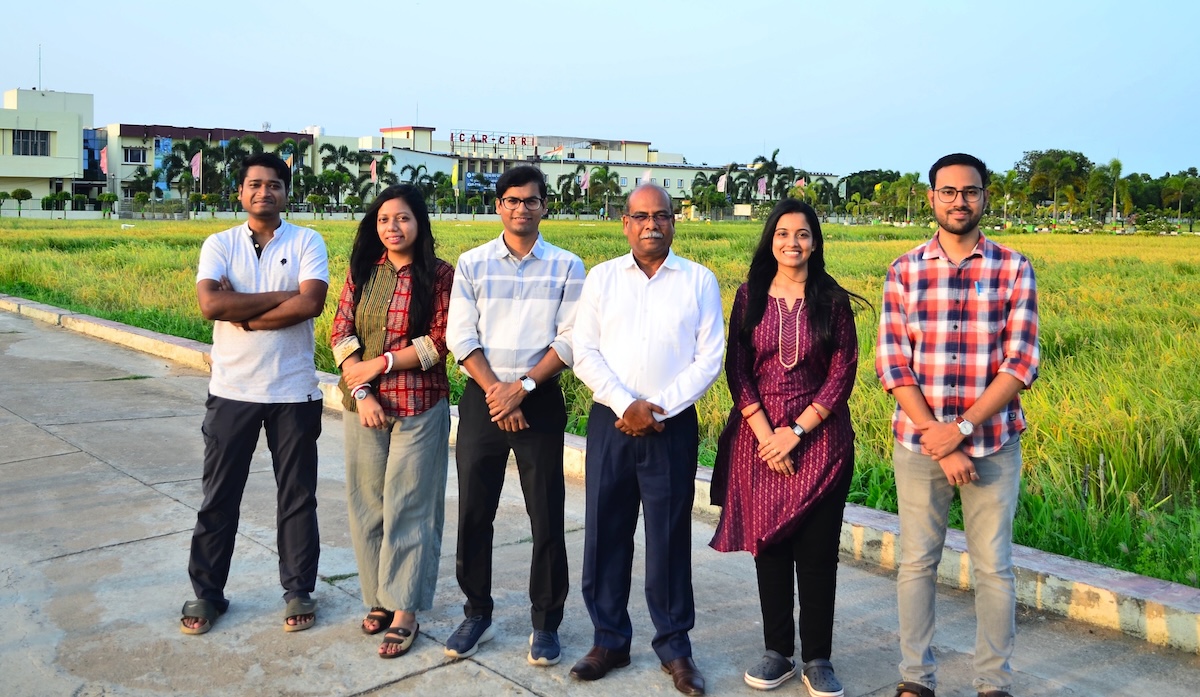
Indian Scientists Develop First AI-designed Genome Editing Tools for Crop Improvement |
|
|
|
Genome editing has emerged as one of the most transformative biotechnological tools for modern agriculture, which enable precise crop improvement with unprecedented speed and accuracy. However, all currently available plant genome editing systems are derived from naturally occurring bacterial or archaeal proteins. In addition, the two most widely used genome editing platforms, Cas9 and Cas12, are protected by complex intellectual property frameworks, limiting their global accessibility and commercial deployment in some regions.
|
|
|
|
|
|
|

|
A biweekly update on gene editing research, regulations, and impact
produced by ISAAA Inc. |
| |
|
|

|
| A monthly update on gene drive research and development provided by ISAAA in collaboration with the Outreach Network for Gene Drive Research |
| |
|
|
|
|
|
|