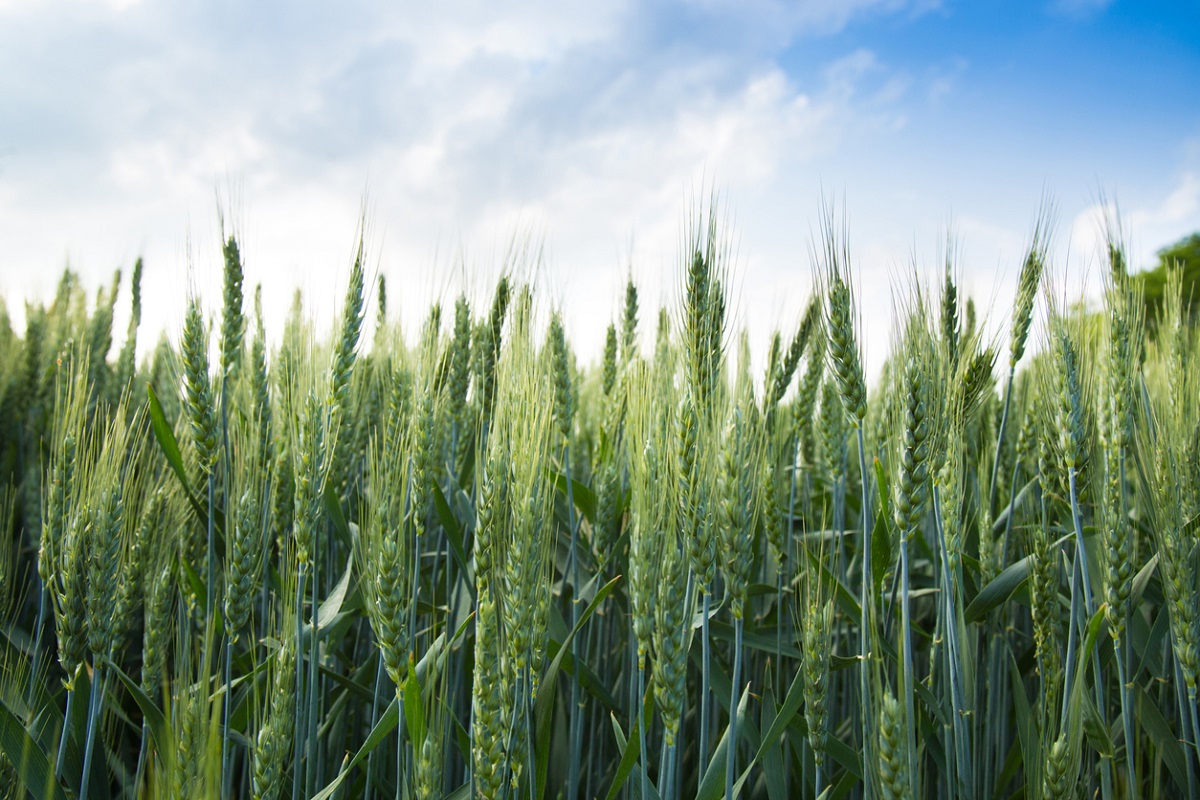
Crop Science Centre, an alliance between the University of Cambridge and the National Institute of Agricultural Botany, will conduct a field trial of genetically modified (GM) and gene-edited barley with the aim of reducing dependency on synthetic fertilizers to promote improved soil health, and sustainable and equitable means of food production.
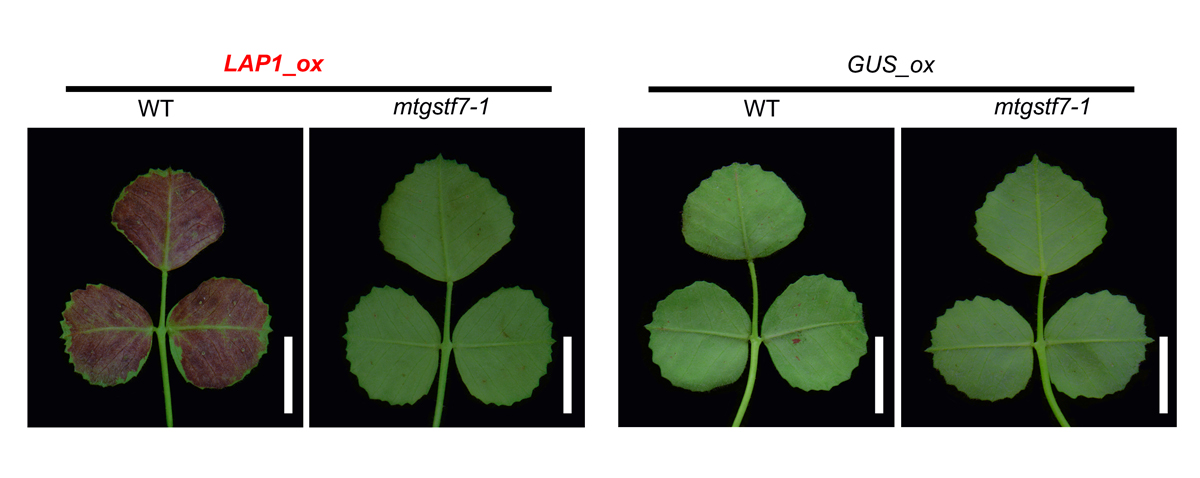
Researchers from the Xishuangbanna Tropical Botanical Garden (XTBG) of the Chinese Academy of Sciences (CAS) have discovered a key gene regulating the biosynthesis of anthocyanins and proanthocyanidins.
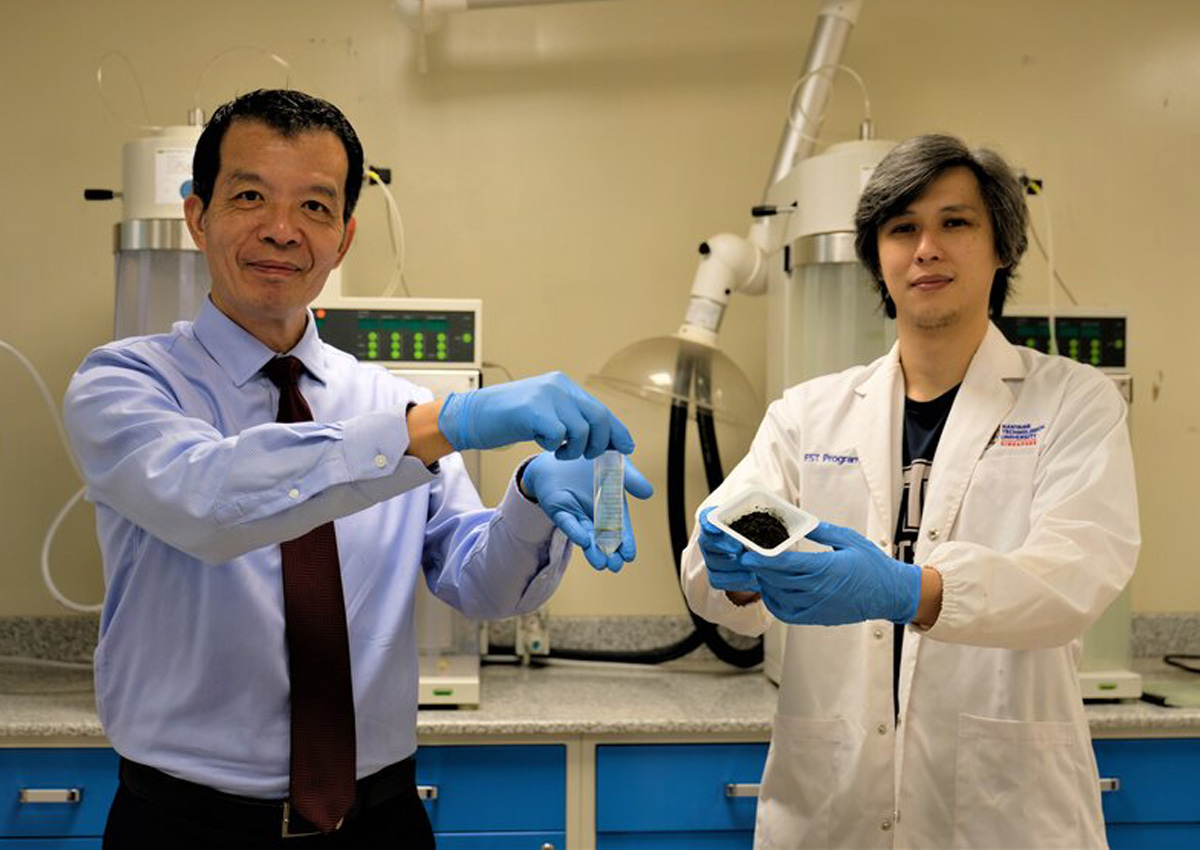
A team of scientists led by Nanyang Technological University, Singapore (NTU Singapore) has developed a method to effectively produce and extract plant-based oils from common microalgae, using a newly discovered method that could serve as a healthier and greener alternative to palm oil.
More than a hundred thousand online and print articles and more than a million social media posts were analyzed by researchers to determine the volume and tenor of the GMO conversation from 2018 to 2020. The results showed that both social and traditional media may be moving toward a more favorable and less polarized overall conversation on ag-biotech.