

Scientists Perform Gene Editing Directly In Living Citrus Seedlings
November 19, 2026| |
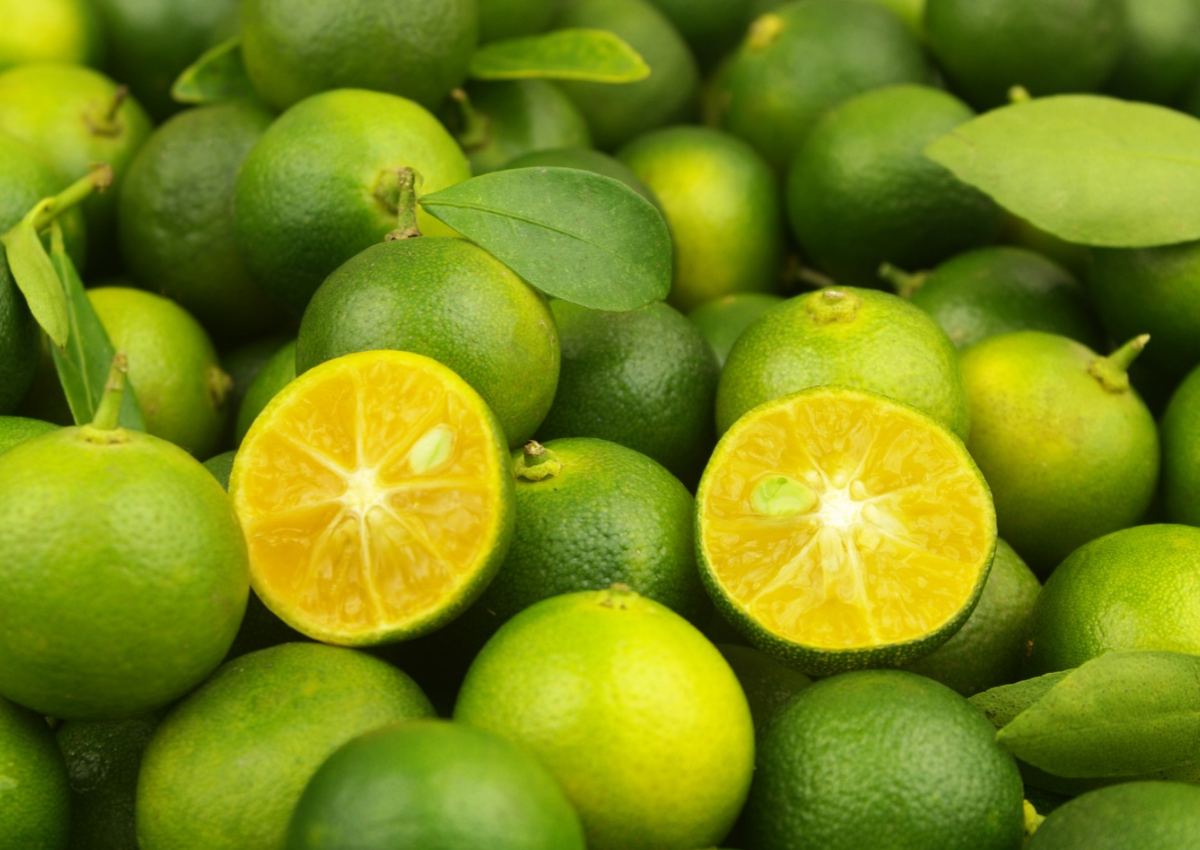
Scientists from China successfully developed a method for directly editing citrus genes in living seedlings. Using CRISPR-Cas9 gene editing to target MYC2, a transcription factor gene linked to resistance against citrus greening, the researchers recovered gene-edited shoots from intact calamansi (Citrus microcarpa) seedlings without relying on conventional laboratory tissue culture.
Genetic engineering for most citrus varieties relies on in vitro tissue culture to grow new plants from lab-cultured cells. However, these varieties often resist regeneration. To break this barrier, the shoot tips of 18- to 20-day-old calamansi seedlings were removed and inoculated directly with Agrobacterium carrying the CRISPR-Cas9 machinery. Green fluorescent protein-positive shoots were identified within roughly 30 days, and DNA sequencing confirmed MYC2 mutations in 13 recovered shoots.
Although the overall shoot recovery rate was relatively modest, with 13 GFP-positive edited shoots recovered out of 192 inoculated seedlings, this in planta protocol potentially offers a more rapid pathway for breeding resilient and high-performing citrus crops with further optimization.
Read the full study in Plants to learn more.
| |
You might also like:
- Bt to Help Combat Devastating Citrus Greening Disease
- Experts Improve Efficiency of Transgene-free Gene Editing in Citrus
- CRISPR Helps Scientists Develop Canker-resistant Citrus Lines in Less Than a Year
Biotech Updates is a weekly newsletter of ISAAA, a not-for-profit organization. It is distributed for free to over 22,000 subscribers worldwide to inform them about the key developments in biosciences, especially in biotechnology. Your support will help us in our mission to feed the world with knowledge. Support ISAAA by subscribing as a Premium or Elite Subscriber
-
See more articles:
-
Plant
- Scientists Perform Gene Editing Directly In Living Citrus Seedlings
- CRISPR Tool Edits 29 Soybean Genes Simultaneously to Boost Flavor and Nutrition
- Scientists Identify Molecular "Brake" on Salt-Alkaline Tolerance in Maize
- Study Finds Biotechnology Food Label Increases Consumer Acceptance in China
- GM Bananas Show Promise in Combating Iron Deficiency
-
Animal
- Gene Drive Applications in the Lab and Beyond: Research Status and Potential Next Steps
-
Food
- Argentina Authorizes GM Microorganism for Protease Production
- Encapsulated Enzymes to Produce GABA-Enriched Soy Milk
-
Read the latest: - Biotech Updates (November 25, 2026)
- Gene Editing Supplement (November 25, 2026)
- Gene Drive Supplement (February 22, 2023)
-
Subscribe to BU: - Subscribe
- Share
- Tweet