

Scientists Identify Molecular "Brake" on Salt-Alkaline Tolerance in Maize
November 19, 2026| |
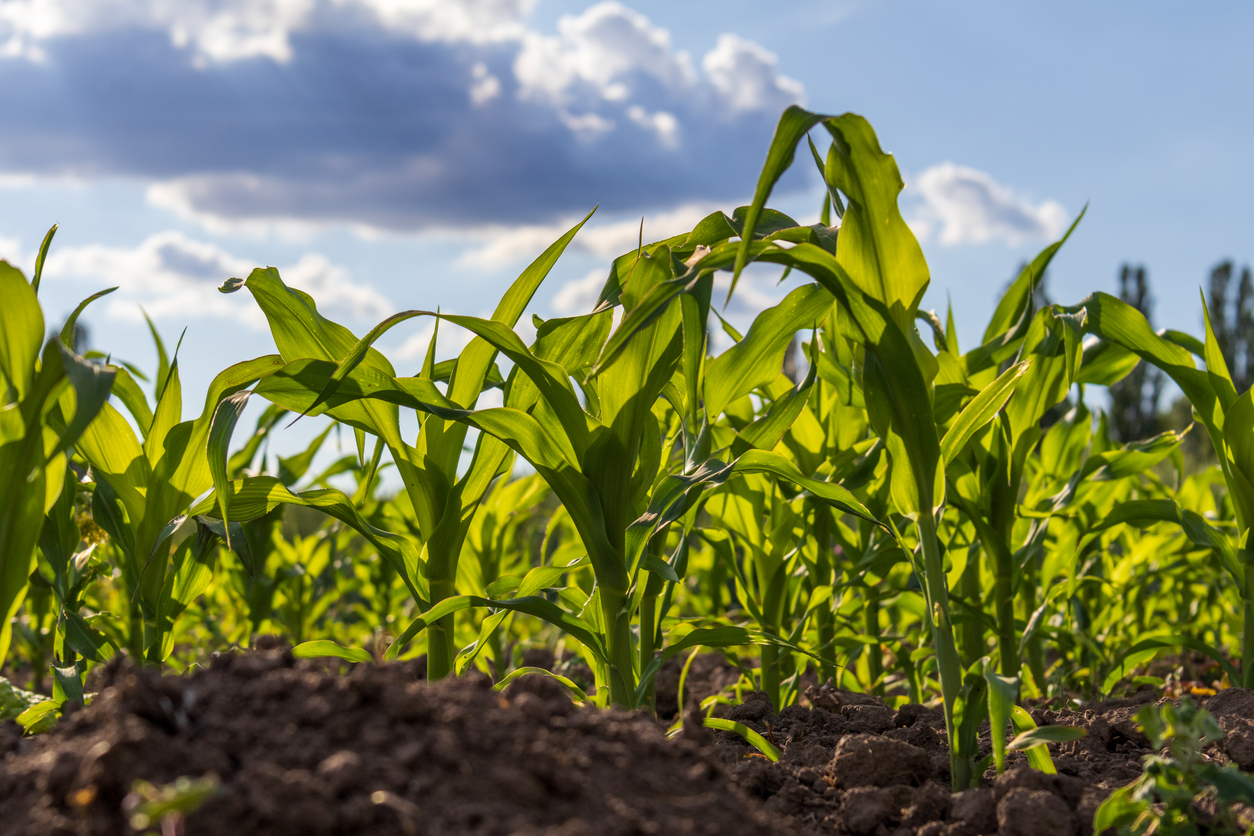
Researchers have identified a molecular "brake" in maize that limits its tolerance to salt and alkaline stress, offering a new pathway to protect important global crops. Published in Science Bulletin, the study was led by Professor Xiangyuan Wan's team at the University of Science and Technology Beijing, which focused on a lipid metabolism gene known as ZmGPAT6. While the gene is strongly induced by salt and alkali stress, experiments revealed that it actually hinders the plant's ability to cope with harsh soils. Plants with a loss-of-function mutation in ZmGPAT6 showed significantly better growth under stress in both greenhouses and field tests.
At the cellular level, the gene functions by restricting hydrogen peroxide transport through a dual-suppression mechanism that dampens lipid signaling and dephosphorylates key stress-response kinases. When the ZmGPAT6 "brake" is removed, hydrogen peroxide transport is enhanced, allowing the maize to better tolerate saline-alkaline conditions. Furthermore, because this gene was already linked to male sterility, knocking it out provides a dual benefit: it simultaneously improves salt-alkaline resistance while inducing male sterility.
This breakthrough provides agricultural scientists with a powerful, single-gene target to breed more resilient crops. By utilizing a loss-of-function strategy rather than costly overexpression methods, the discovery could pave the way for sustainable hybrid maize seed production on marginal, salt-affected lands across the globe.
For more details, download and read the paper from Science Bulletin.
| |
You might also like:
- Chinese Researchers Study Alkaline Tolerance in Rice Using CRISPR-Cas9
- Experts Explore Genetic Basis of Micronutrients in Tropical Maize
- Multiplex Genome Editing Improves Agronomic Traits of Salt-tolerant Rice SR86
Biotech Updates is a weekly newsletter of ISAAA, a not-for-profit organization. It is distributed for free to over 22,000 subscribers worldwide to inform them about the key developments in biosciences, especially in biotechnology. Your support will help us in our mission to feed the world with knowledge. Support ISAAA by subscribing as a Premium or Elite Subscriber
-
See more articles:
-
Plant
- Scientists Perform Gene Editing Directly In Living Citrus Seedlings
- CRISPR Tool Edits 29 Soybean Genes Simultaneously to Boost Flavor and Nutrition
- Scientists Identify Molecular "Brake" on Salt-Alkaline Tolerance in Maize
- Study Finds Biotechnology Food Label Increases Consumer Acceptance in China
- GM Bananas Show Promise in Combating Iron Deficiency
-
Animal
- Gene Drive Applications in the Lab and Beyond: Research Status and Potential Next Steps
-
Food
- Argentina Authorizes GM Microorganism for Protease Production
- Encapsulated Enzymes to Produce GABA-Enriched Soy Milk
-
Read the latest: - Biotech Updates (November 25, 2026)
- Gene Editing Supplement (November 25, 2026)
- Gene Drive Supplement (February 22, 2023)
-
Subscribe to BU: - Subscribe
- Share
- Tweet