

Scientists Map Genetic Switches to Improve Mosquito Control Strategies
May 6, 2026| |
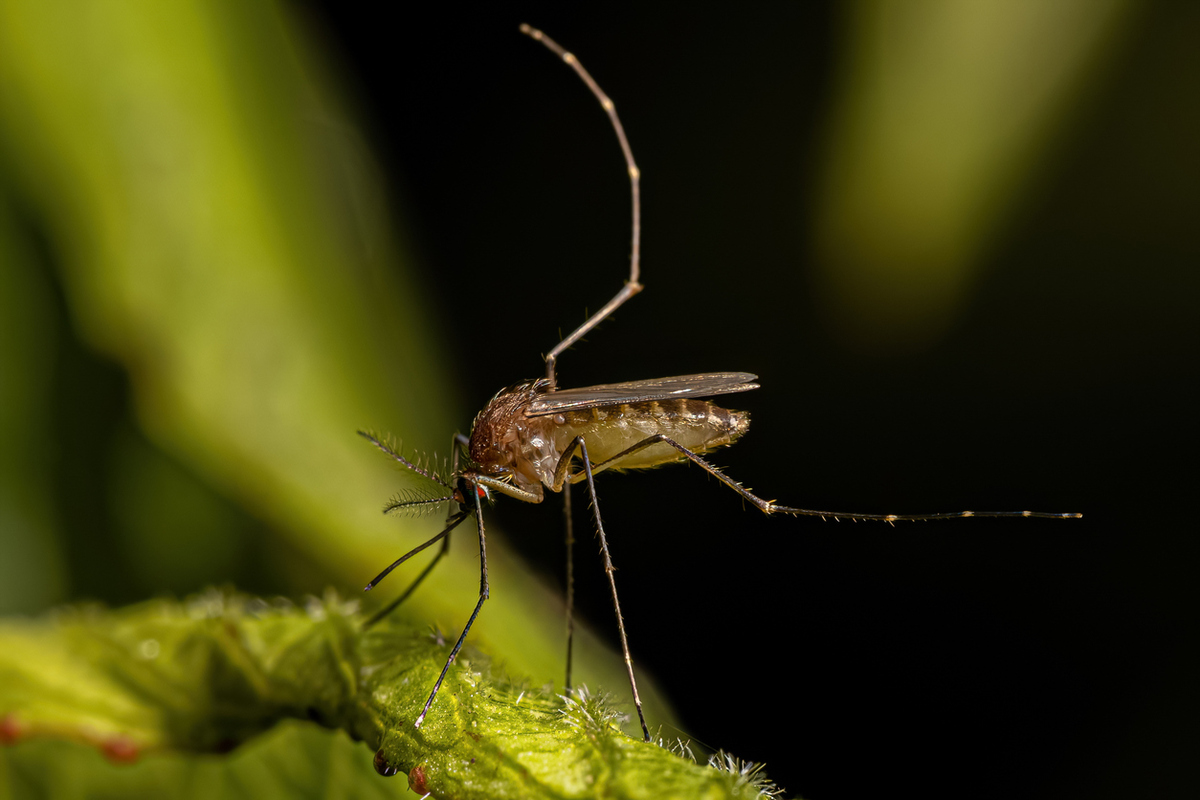
Scientists at Keele University have developed the first detailed map of genetic “switches” that control reproduction in disease-carrying insects. The study, published in Communications Biology, provides a key resource for developing more precise and effective genetic control strategies.
The researchers examined cis-regulatory elements (CREs), short DNA sequences that determine when and where genes are activated. These elements play a key role in mosquito reproduction and sex differentiation, making them important for gene drive technologies. However, CREs in mosquitoes have remained poorly understood due to limited tools and experimental challenges.
In this study, the research team developed a systematic computational pipeline to identify and analyze hundreds of CREs linked to reproductive gene activity in both male and female mosquitoes. The approach enabled the first comprehensive map of regulatory elements across the mosquito genome, revealing key genetic sequences that influence reproduction. “This map gives researchers the precision they need to design safer and more effective genetic control tools,” said lead author Dr. Emily Chesters.
The findings are expected to improve gene drive design and support safer, more targeted mosquito control strategies. “By charting the regulatory architecture of the mosquito germline, we're removing a major barrier to innovation. These insights will accelerate the development of reliable genetic technologies to help reduce the global burden of malaria,” said senior author Dr. Roberto Galizi.
For more information, read the article from Keele University.
| |
You might also like:
- Fighting Malaria with Modified Mosquitoes
- Brazil Releases Genetically Modified Mosquitoes to Combat Dengue Cases
- Researchers Use Gene Editing to Separate Male and Female Mosquitoes
Biotech Updates is a weekly newsletter of ISAAA, a not-for-profit organization. It is distributed for free to over 22,000 subscribers worldwide to inform them about the key developments in biosciences, especially in biotechnology. Your support will help us in our mission to feed the world with knowledge. You can help by donating as little as $10.
-
See more articles:
-
Plant
- Study Shows Gene Arrangement Controls DNA Folding and Expression
- Agri-Food Coalition Urges Swift EU Adoption of New Genomic Technique Regulations
- New CRISPR Tool Identifies Multiple Viruses in a Single Test
- Gene Discovery to Help Tomato Seeds Germinate Under High-Temperature Conditions
- CSIRO Adopts Pairwise’s CRISPR Platform to Boost Agricultural Innovation
- 2024 Biotech Facts and Trends: Asia & Oceania
- Biotech Updates Now Available in Korean Language
-
Animal
- Scientists Map Genetic Switches to Improve Mosquito Control Strategies
-
Read the latest: - Biotech Updates (September 23, 2026)
- Gene Editing Supplement (August 26, 2026)
- Gene Drive Supplement (February 22, 2023)
-
Subscribe to BU: - Share
- Tweet