

Vietnam Updates Regulatory Framework for Agricultural Biotechnology
April 29, 2026| |
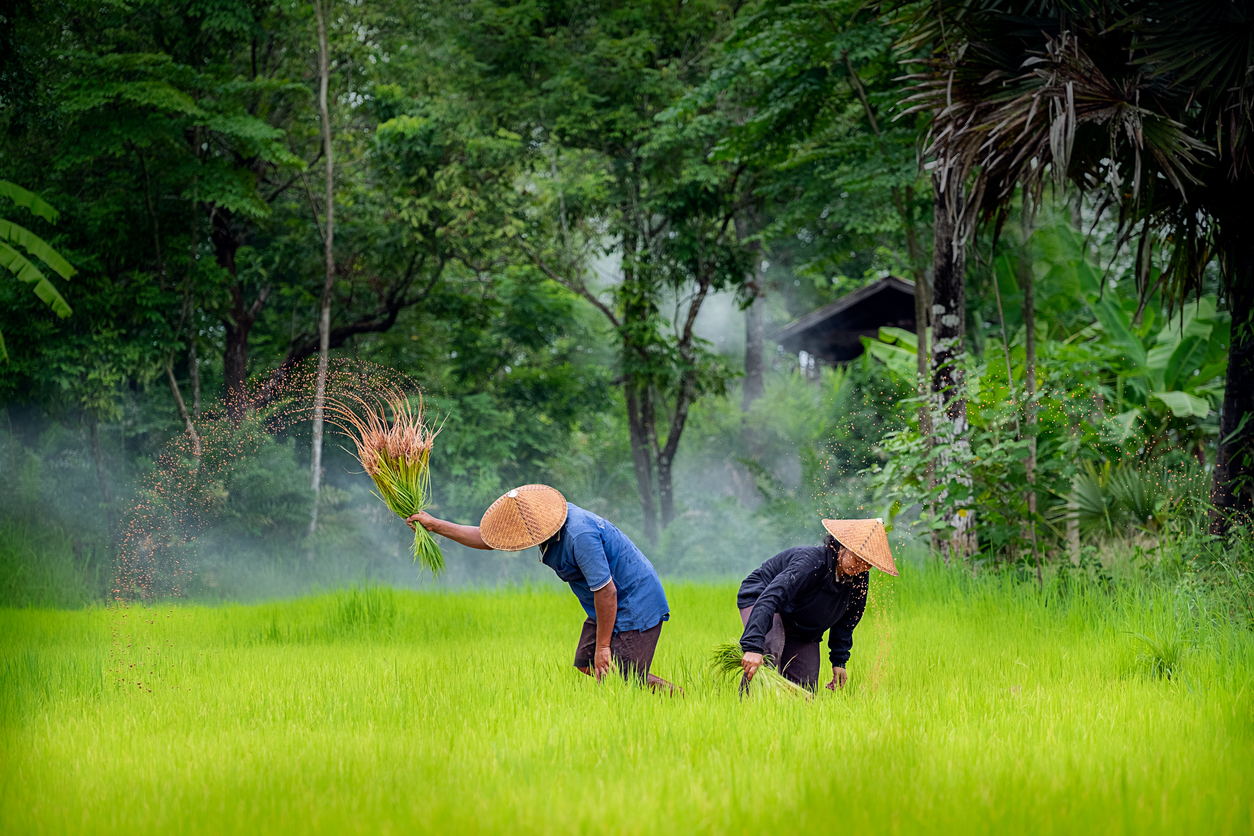
The Government of Vietnam has amended its agricultural biotechnology regulations with the issuance of Decree 43/2026/ND-CP, a move aimed at modernizing the country's food and feed sectors. Effective in early 2026, the new framework significantly accelerates market access for genetically engineered (GE) products by slashing standard approval timelines for food and feed from 90 working days down to 45 for products already cleared in at least five OECD or G20 nations. This reform aligns with Vietnam's 2025 designation of biotechnology as a strategic pillar for agricultural growth and is expected to facilitate more efficient trade and domestic production.
A central feature of the new legislation is the formal distinction between traditional genetically modified organisms (GMOs) and gene-edited crops. Under the amended Law on Biodiversity (Law 146/2025/QH15), gene-edited organisms that do not contain foreign DNA are now excluded from the stringent regulatory requirements typically applied to GMOs. Instead, developers can utilize a "self-determination" process, notifying the Ministry of Agriculture and Rural Development (MARD) of their product's status through a streamlined administrative form. This regulatory relief currently applies to plant-based crops, though specific guidance for gene-edited animals remains under development.
The updated framework also introduces practical changes to food labeling and safety definitions. Highly refined products derived from GE sources—such as soybean oil, corn starch, and cottonseed oil—are now officially excluded from the definition of "GM food," acknowledging that these processed goods often contain no detectable genetic material. Additionally, the decree provides the first comprehensive guidelines for genetically modified microorganisms (GMMs) used in contained production systems. By creating a clearer, tiered approval system for stacked events and microorganisms, Vietnam aims to reduce the bureaucratic burden on the private sector while maintaining environmental and safety safeguards.
For more information, download and read the USDA FAS GAIN Report.
| |
You might also like:
- What Consumers in Vietnam Think About Gene-Edited Rice
- Vietnam Moves To Combat Climate Change and Sustain Agriculture Using Genome Editing
- Vietnam’s Animal Biotech Research Capability to Support Gov’t’s Agricultural and Environmental Sustainability Goals
Biotech Updates is a weekly newsletter of ISAAA, a not-for-profit organization. It is distributed for free to over 22,000 subscribers worldwide to inform them about the key developments in biosciences, especially in biotechnology. Your support will help us in our mission to feed the world with knowledge. You can help by donating as little as $10.
-
See more articles:
-
Plant
- Researchers Reveal How Plants Hit the Reset Button After Stress
- First Gap-Free Peanut Genomes Reveal Genes for Bigger Seeds and Better Oils
- GM Crops Show Potential to Reduce Hunger Amid Public Skepticism in India
- Vietnam Updates Regulatory Framework for Agricultural Biotechnology
-
Animal
- Researchers Develop Single-Dose Vaccine Against Newcastle Disease and H9N2 Avian Influenza
- University of Missouri Develops New Gene Editing Method for Chickens
-
Food
- UN SOFI: 673 Million People Experienced Hunger in 2024
-
Environment
- Study Shows Mitochondria Can Make New Organelles
-
Read the latest: - Biotech Updates (September 23, 2026)
- Gene Editing Supplement (August 26, 2026)
- Gene Drive Supplement (February 22, 2023)
-
Subscribe to BU: - Share
- Tweet