

CRISPR Sheds Light on Enhancing Nitrogen Fixation in Bean Genes
February 12, 2025| |
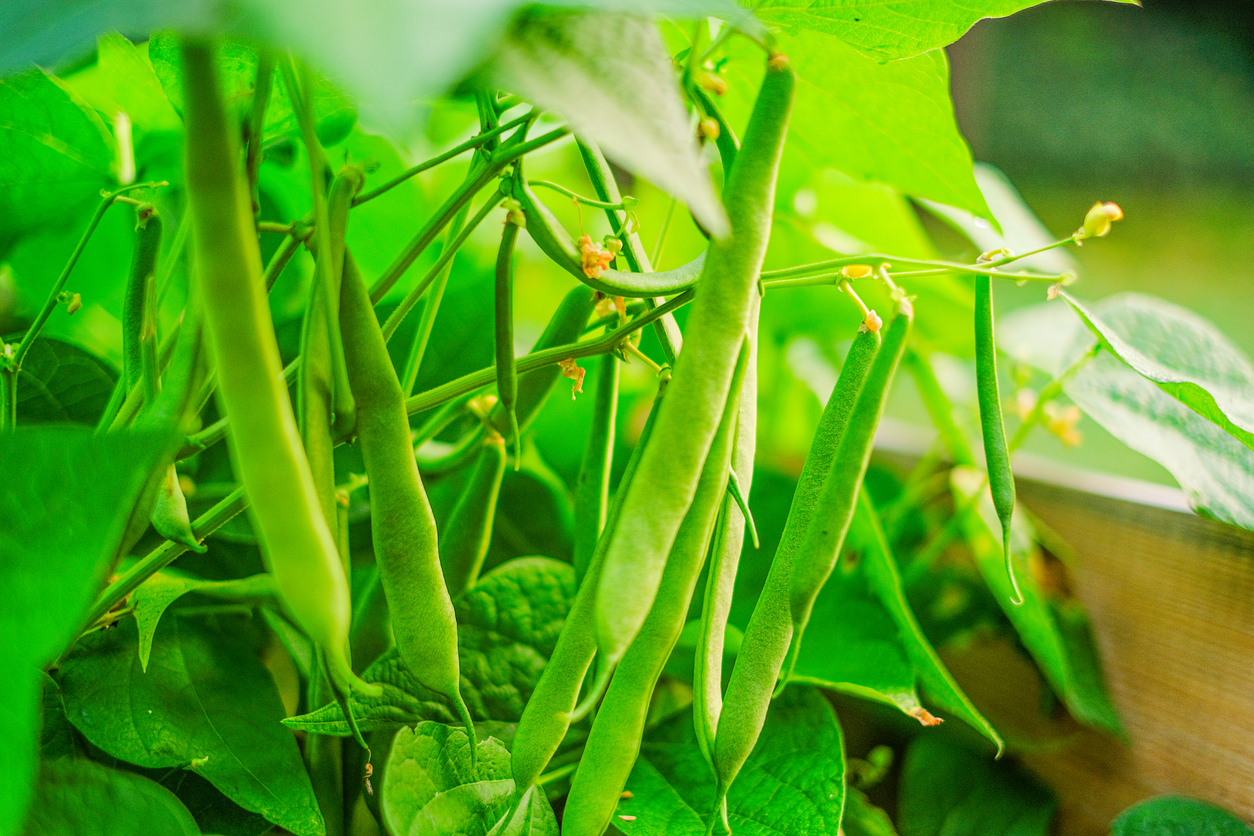
A team of researchers from the University of Cordoba in Spain used CRISPR gene editing technology to study the complexities of nitrogen metabolism in beans, revealing promising insights that could help enhance agricultural sustainability.
Beans hold a unique position in global agriculture, not just as a major source of protein, but also because of their ability to fix atmospheric nitrogen into the soil. In a groundbreaking study, the Molecular Physiology and Plant Biotechnology Group at the University of Cordoba studied the roles of two vital genes involved in the metabolism of purine nucleotides, focusing on the synthesis and recycling of adenine, an essential nitrogenous base integral to DNA and RNA.
The researchers, led by Josefa Muñoz and Cristina López, used the CRISPR-Cas9 gene editing strategy to silence specific gene copies, eliminate redundancy, and reveal the distinct functions each gene might hold. This approach was necessitated not only by the genetic similarities among the adenine phosphoribosyl transferase (APRT) gene copies but also by the limitations imposed by traditional transformation techniques that had failed to yield mutants in bean plants.
The researchers created two functional mutants of the APRT gene using CRISPR technology which showed detailed functional analysis of these variants. The results confirmed that while one of the gene copies was indeed responsible for recycling adenine, the other played an indispensable role in the regulation and growth of cytokinins, plant hormones that influence various developmental processes, including root and nodule growth. Further studies revealed that the expression patterns of the two APRT gene copies differed significantly. The discovery also illustrated not only the potential of gene editing tools like CRISPR-Cas9 to unravel complex genetic relationships but also provided deeper insight into the evolutionary adaptations of beans.
For more details, read the article in Bioengineer.
| |
You might also like:
- Transgenic Common Bean Lines Show Multiple Resistance to Three Viruses
- Transgenic Common Bean Offers More Sustainable Strategy Against Whitefly
- Scientists Decode DNA Secrets of World's Toughest Bean
Biotech Updates is a weekly newsletter of ISAAA, a not-for-profit organization. It is distributed for free to over 22,000 subscribers worldwide to inform them about the key developments in biosciences, especially in biotechnology. Your support will help us in our mission to feed the world with knowledge. You can help by donating as little as $10.
-
See more articles:
-
Plant
- Key Wheat Genes Confer Resistance Against Powdery Mildew
- GM Maize MON810 Shows No Adverse Effects on Surface-active Springtails
- Scientists Develop Gene Editing Method to Reduce Corn Plant Height
- Field Trial of Gene-Edited Wheat in UK Gets ACRE Approval
- University of Nevada, Reno Researcher Develops Sorghum Varieties for Dairy Feed and Gluten-Free Food
- Global Survey Reveals Public Sentiment Towards Transformative Technologies in Health and Agriculture
-
Animal
- LBC and ISAAA to Hold 8th International Livestock Biotechnology Symposium
-
Food
- Mexico Cancels GM Corn Restrictions, Follows USMCA Ruling
-
Read the latest: - Biotech Updates (August 26, 2026)
- Gene Editing Supplement (August 26, 2026)
- Gene Drive Supplement (February 22, 2023)
-
Subscribe to BU: - Share
- Tweet