

New Screening Method Speeds Up Plant Gene Editing and Crop Development
June 24, 2026| |
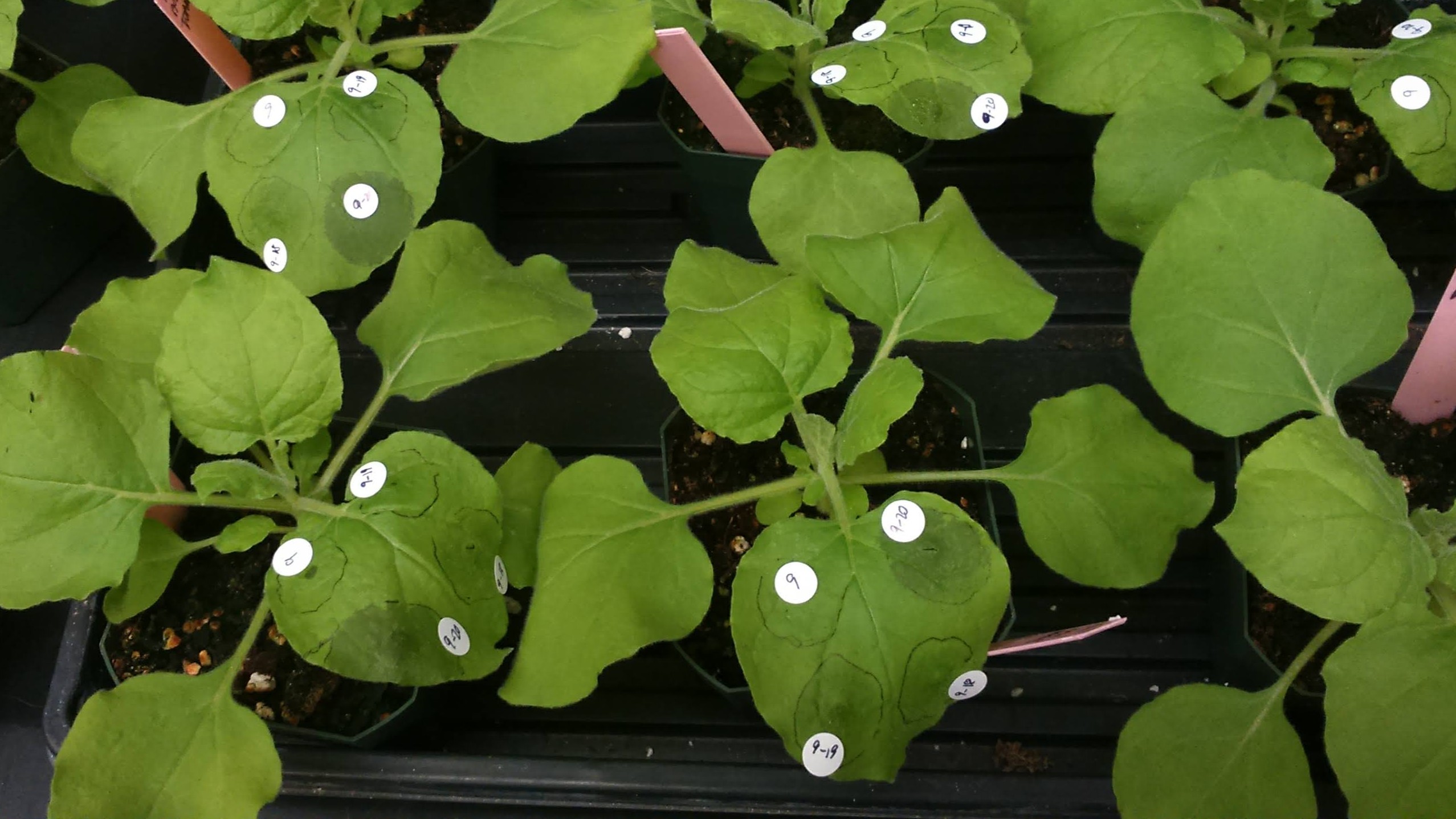
Researchers at the University of Illinois Urbana-Champaign have developed a new, faster method to identify effective gene editing targets in plants, which could significantly accelerate the development of high-performing and resilient crops. Spearheaded by researcher Ben Haas in the Stephen Long lab, the breakthrough was achieved as part of the Realizing Increased Photosynthetic Efficiency (RIPE) project, an initiative dedicated to engineering photosynthesis to improve global food production.
The new approach focuses on studying upstream open reading frames (uORFs), which are DNA sequence elements that regulate how messenger RNA (mRNA) is translated into proteins. Because uORFs usually inhibit or reduce protein production, scientists often use CRISPR-Cas9 to alter or remove them, lifting the "brakes" on specific genes to boost crop performance. However, traditional screening tools require using complex chemical reactions or stripping plant cell walls to test these targets, a process that is both resource-intensive and time-consuming.
To streamline this pipeline, the Illinois team created a transient expression assay that utilizes intact leaf tissue and fluorescent protein reporters linked to uORFs. By monitoring the fluorescence, researchers can rapidly analyze in vivo how changes to uORF sequences impact gene regulation. This innovative method eliminates the need for the specialized reagents and extensive sample preparation required by older methods, dramatically reducing consumable waste and cutting down the time needed to engineer climate-resilient crops.
For more details, read the press release from RIPE.
| |
You might also like:
- Third Breakthrough Shows Photosynthetic Hacks Boost Yield and Conserve Water
- Analysis Reveals Cassava Breeding Has Not Improved Photosynthesis or Yield Potential
- Scientists to Increase Major Crops' Photosynthetic Efficiency for Improved Yield
Biotech Updates is a weekly newsletter of ISAAA, a not-for-profit organization. It is distributed for free to over 22,000 subscribers worldwide to inform them about the key developments in biosciences, especially in biotechnology. Your support will help us in our mission to feed the world with knowledge. You can help by donating as little as $10.
-
See more articles:
-
Gene Editing Supplement (June 24, 2026)
-
Research and Tools
- Genome-edited Banana Approved for Field Trials in Kenya
- New Screening Method Speeds Up Plant Gene Editing and Crop Development
- Researchers Identify Gene Pathway to Improve Soybean Stress Tolerance
- New Gene Editing System Improves Daily Rice Flowering
-
Read the latest: - Biotech Updates (September 23, 2026)
- Gene Editing Supplement (August 26, 2026)
- Gene Drive Supplement (February 22, 2023)
-
Subscribe to BU: - Share
- Tweet