

CRISPR Untangles Five-Gene Protein that Helps Plants Grow
May 27, 2026| |
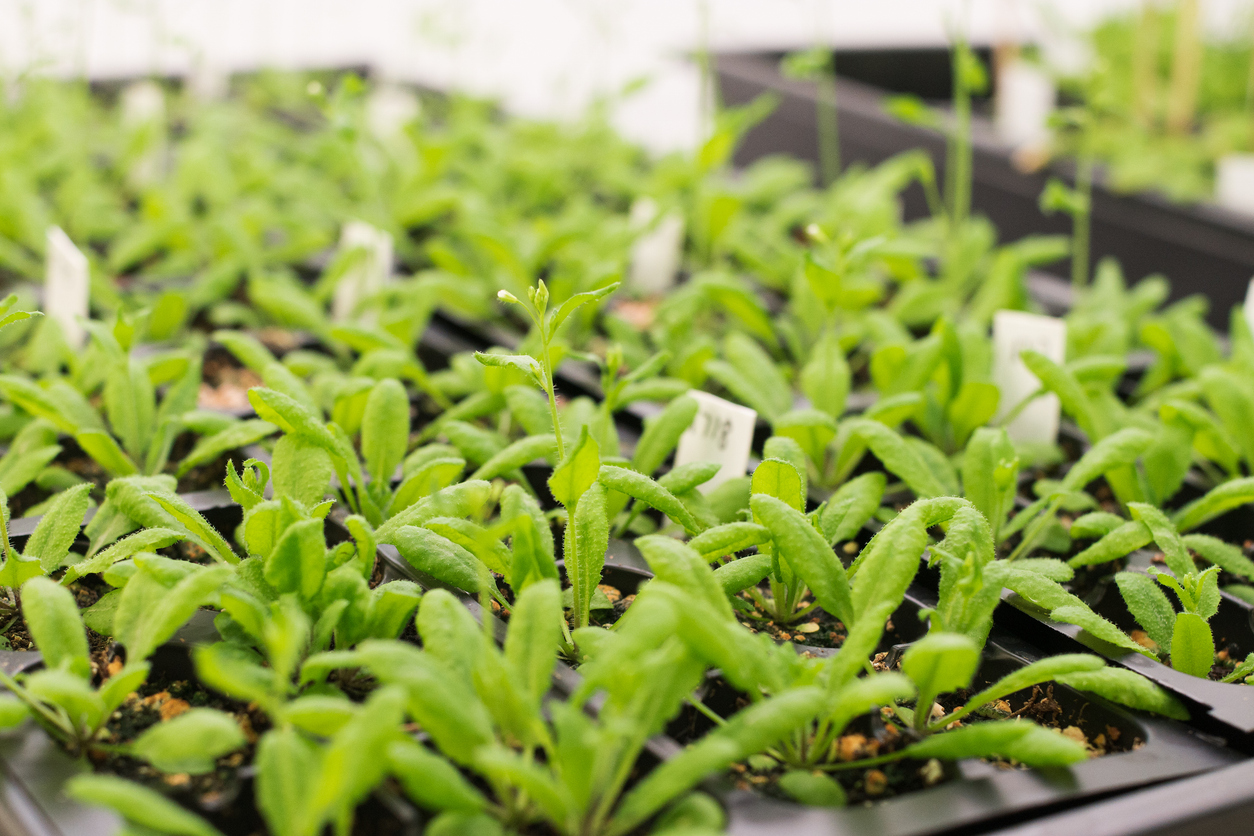
Scientists at Rice University have uncovered a critical mechanism that allows young plants to manage their energy and grow before they can harness sunlight.
Led by biosciences professor Bonnie Bartel and graduate student Nathan Tharp, the research team focused on a protein family called PEX11.
The findings could have broad implications reaching far beyond the plant kingdom. To test the universality of their discovery, the researchers successfully inserted a yeast version of the protein into mutant plant cells, thereby restoring the oversized peroxisomes to their normal size.
For more details, read the article in Rice University News.
| |
Biotech Updates is a weekly newsletter of ISAAA, a not-for-profit organization. It is distributed for free to over 22,000 subscribers worldwide to inform them about the key developments in biosciences, especially in biotechnology. Your support will help us in our mission to feed the world with knowledge. You can help by donating as little as $10.
-
See more articles:
-
Gene Editing Supplement (May 27, 2026)
-
Research and Tools
- CRISPR Untangles Five-Gene Protein that Helps Plants Grow
- Gene Editing Reveals Key Gene for Improved Cotton Defoliation
- Study Pinpoints Positive Regulator of Salt Tolerance in Poplar
- Researchers Find Key Gene for Cadmium Tolerance and Accumulation in Rice
-
Read the latest: - Biotech Updates (September 16, 2026)
- Gene Editing Supplement (August 26, 2026)
- Gene Drive Supplement (February 22, 2023)
-
Subscribe to BU: - Share
- Tweet