

CRISPR Elucidates Key Gene in Forming Symbiotic Nodules in Pea
April 29, 2026| |
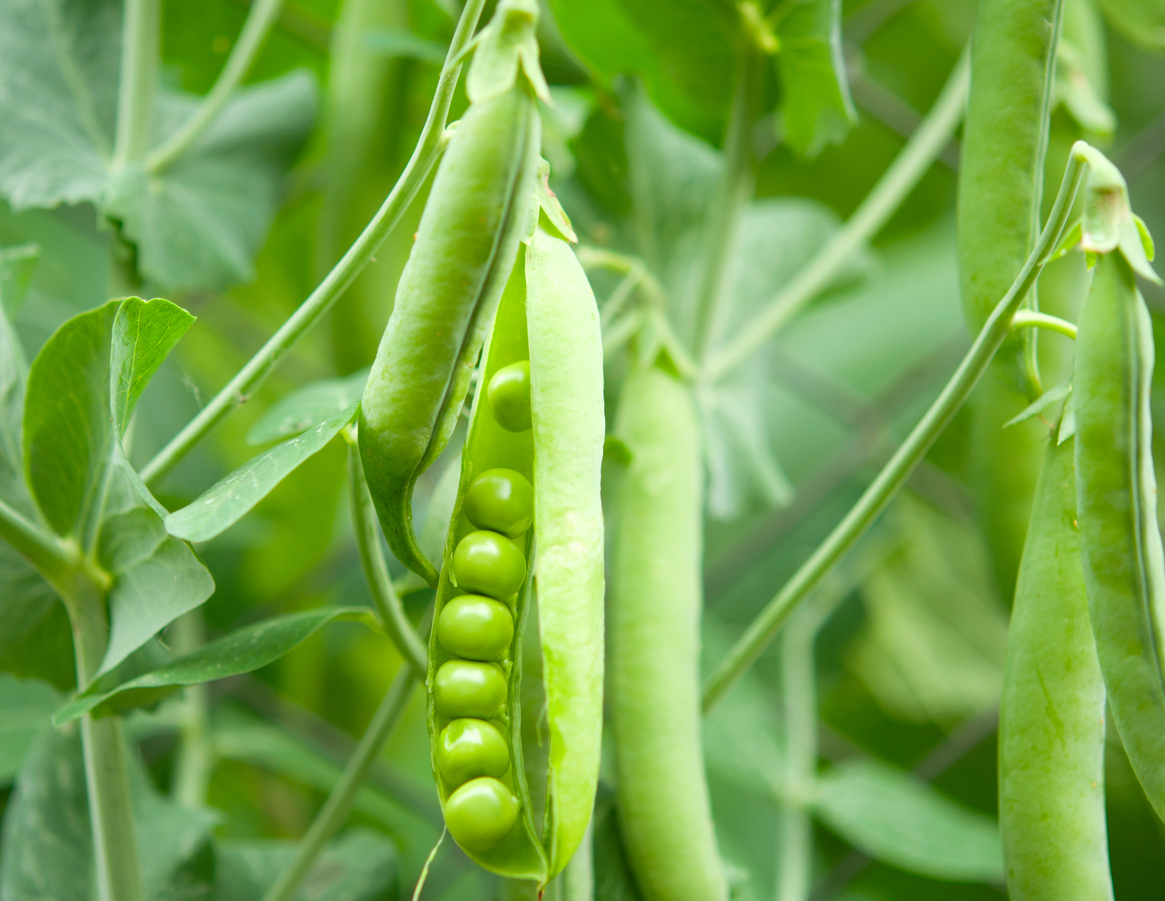
Peas have a remarkable ability to partner with specific soil bacteria that provide the plants with essential nitrogen, acting like a natural fertilizer factory. The plant uses specialized receptors to recognize chemical signals from the bacteria. For years, scientists suspected that a specific mystery gene, known as Sym2, mainly controls how certain pea varieties identify their microbial partners. While a candidate gene called PsLykX seemed to fit the description perfectly, researchers lacked the concrete proof needed to confirm that it was actually responsible for this vital connection.
Researchers from Sirius University of Science and Technology used CRISPR-Cas9 to knock out the PsLykX gene in a common European pea variety. They found that once this specific gene was deactivated, the pea roots completely lost their ability to form the small nodules where nitrogen-fixing bacteria usually thrive.
This breakthrough provides the first direct evidence that PsLykX is a critical component for the plant's survival strategy, confirming its essential role in helping the pea plant recognize and welcome its beneficial bacterial guests.
More findings are available in Transgenic Research.
| |
You might also like:
- Pocket K No. 54: Plant Breeding Innovation: CRISPR-Cas9
- Experts Unlock the Code to Develop Better Peas
- Gene Editing Produces Yellow Peas with Improved Aroma and Flavor
Biotech Updates is a weekly newsletter of ISAAA, a not-for-profit organization. It is distributed for free to over 22,000 subscribers worldwide to inform them about the key developments in biosciences, especially in biotechnology. Your support will help us in our mission to feed the world with knowledge. You can help by donating as little as $10.
-
See more articles:
-
Gene Editing Supplement (April 29, 2026)
-
Research and Tools
- Pairwise Licenses Fulcrum® CRISPR Platform to Ball® Horticultural Company
- Gene Editing Boosts Fiber Quality of Cotton
- Gene Combinations Provide Durable Resistance to Begomoviruses in Tomato
- CRISPR Elucidates Key Gene in Forming Symbiotic Nodules in Pea
-
Read the latest: - Biotech Updates (September 9, 2026)
- Gene Editing Supplement (August 26, 2026)
- Gene Drive Supplement (February 22, 2023)
-
Subscribe to BU: - Share
- Tweet