

GM Barley Shows Improved Yield on Acidic Soil
November 25, 2026| |
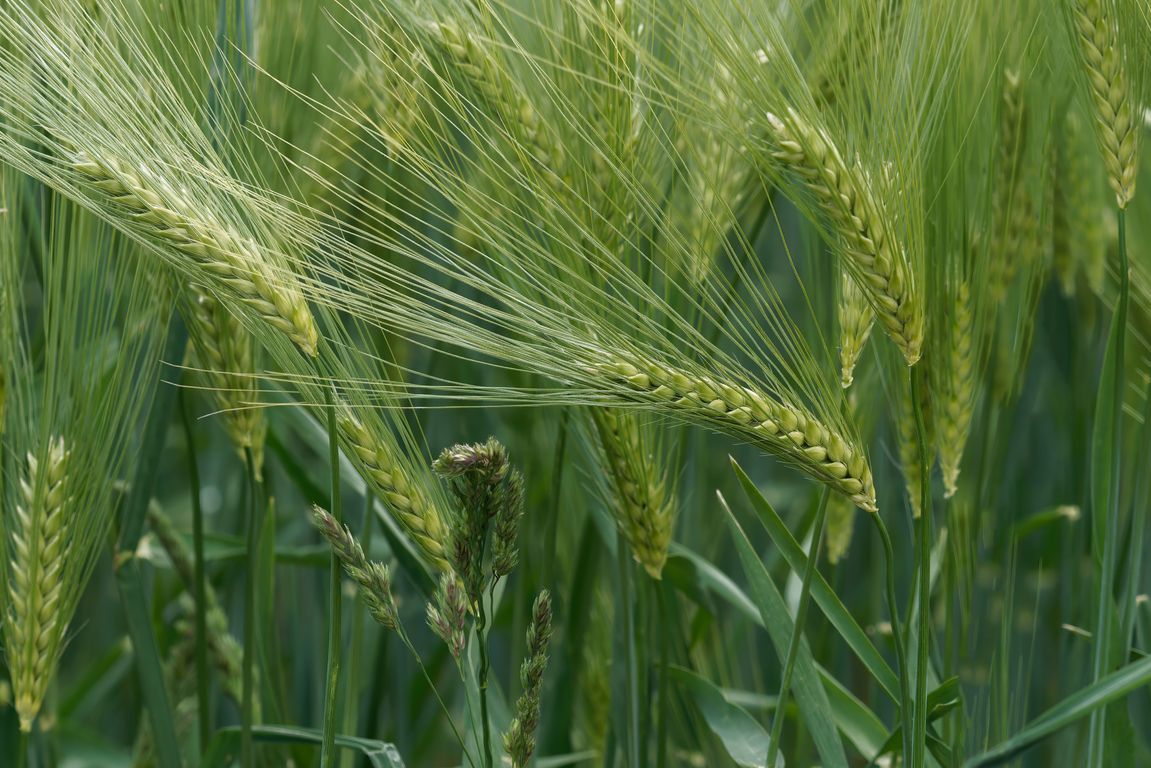
Researchers in Brazil found that genetically modified (GM) barley expressing a wheat gene for aluminum resistance can improve grain yield under highly acidic soil conditions. The findings highlight the potential of biotechnology to help sustain barley production in areas where toxic aluminum levels limit crop growth, particularly during periods of low rainfall.
The study reported the first field evaluation of GM barley carrying the wheat gene TaALMT1, which helps plants tolerate aluminum toxicity. The research team introduced the gene into four barley cultivars adapted to southern Brazil and tested the plants over two consecutive years. Field trials compared the GM lines with non-GM controls in acidic soil and a nearby area treated with lime to reduce soil acidity.
During the first trial, which experienced high aluminum concentrations and below-average rainfall, most GM lines produced significantly higher yields than their non-GM counterparts. The best-performing lines recorded grain yields 5.9 to 72.8 times higher than their controls, with the gene potentially contributing an additional 0.7 to 1.7 tons per hectare. However, no yield advantage was observed in the second trial, which had more rainfall and lower aluminum levels. The researchers concluded that TaALMT1 could improve barley productivity under severe soil acidity, especially during dry seasons, when stronger root systems may help plants access water deeper in the soil.
For more information, read the study from Transgenic Research.
| |
You might also like:
- Rothamsted's Gene-Edited Barley Becomes First Crop to Receive the UK's Precision Bred Organism Marketing Notice
- Gene Editing Enhances Barley’s Grain Storability and Nutritional Value
- Cultivating Resilience: How Biotech Shapes Climate-Smart Agriculture in Asia and Australasia
Biotech Updates is a weekly newsletter of ISAAA, a not-for-profit organization. It is distributed for free to over 22,000 subscribers worldwide to inform them about the key developments in biosciences, especially in biotechnology. Your support will help us in our mission to feed the world with knowledge. Support ISAAA by subscribing as a Premium or Elite Subscriber
-
See more articles:
-
Plant
- DA-BPO Names the Awardees of the 11th Filipino Faces of Biotechnology
- Empowering Science Educators to Mainstream Biotechnology and Biosafety in PH
- EFSA Confirms New Sequence Data Does Not Alter Safety Conclusions for GM Maize MON 89034
- Quinone Reductase Gene Boosts Salt and Drought Resilience in Cotton
- UK Defra Confirms Non-GMO Status for Larger-Grain Edited Wheat
- GM Barley Shows Improved Yield on Acidic Soil
- Experts Examine the Global Impact of GM Crops and Opportunities for Malaysia's Agriculture and Trade
-
Animal
- ISAAA Webinar Highlights Progress in Gene Drive Research and Potential Field Trials
-
Read the latest: - Biotech Updates (November 25, 2026)
- Gene Editing Supplement (November 25, 2026)
- Gene Drive Supplement (February 22, 2023)
-
Subscribe to BU: - Subscribe
- Share
- Tweet