

Researchers Sequence Complete Genomes of Iconic Tunisian Durum Wheat Varieties
May 13, 2026| |
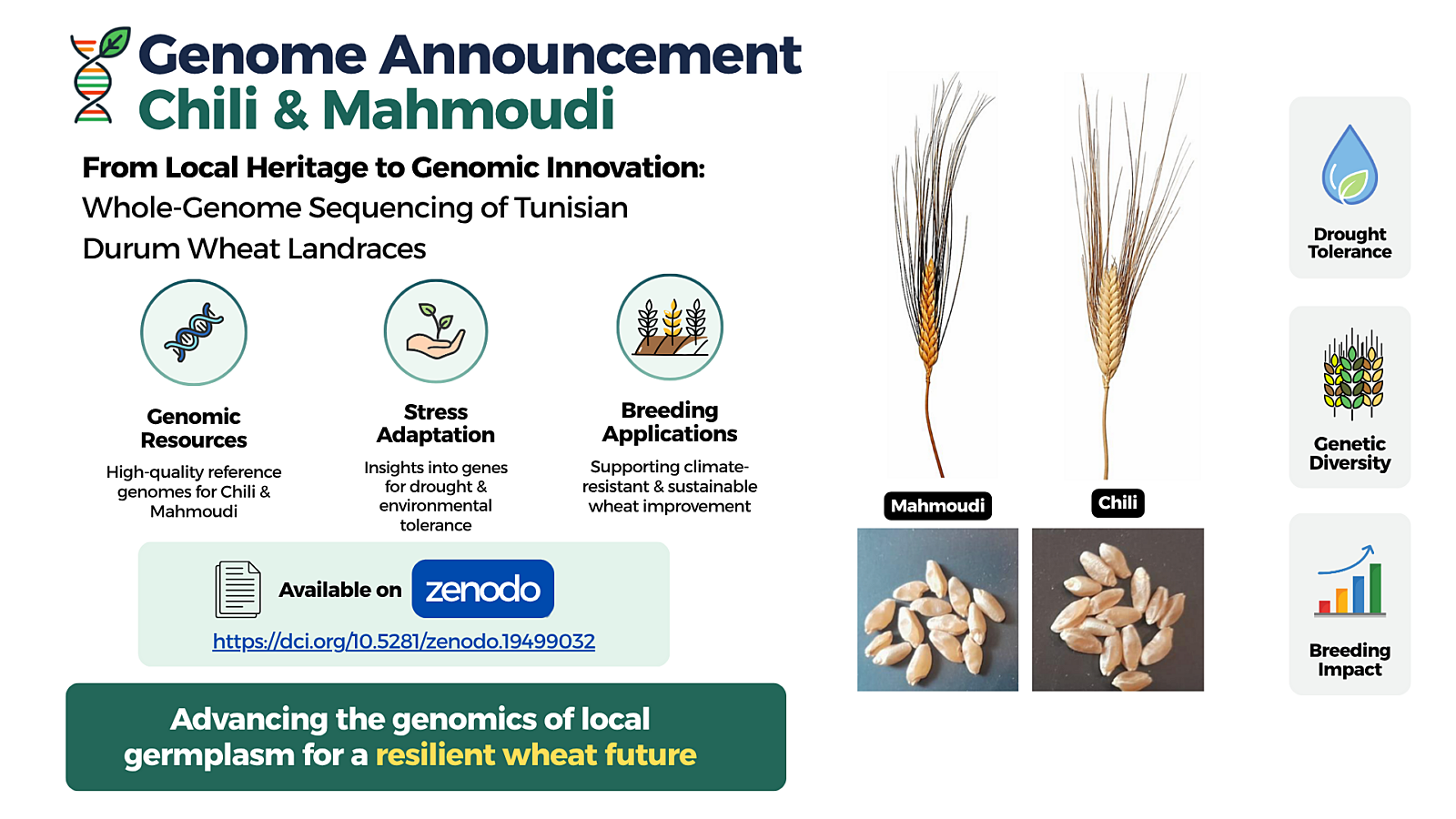
Researchers in Tunisia have sequenced the complete genomes of two iconic durum wheat landraces, Mahmoudi and Chili. This project, a collaboration between the Higher Institute of Biotechnology (University of Sfax) and the National Gene Bank of Tunisia, provides a comprehensive look at the genetic makeup of varieties cultivated for generations. By unlocking the genetic codes of these ancient grains, scientists hope to identify specific traits that allow them to thrive in harsh conditions, serving as a vital resource for global food security.
These landraces are considered the living archives of Tunisia's agricultural history, culinary tradition, and genetic resilience. For generations, Tunisian farmers have cultivated Mahmoudi and Chili for their natural resistance to drought, heat, and soil salinity—challenges that are increasingly threatening wheat production worldwide. Unlike modern commercial varieties, Mahmoudi and Chili have untapped potential shaped by centuries of traditional farming. Professor Sophien Kamoun of The Sainsbury Laboratory noted that these sequences are "living treasures" that will drive the development of the next generation of climate-resilient wheat, ensuring that agriculture can adapt to a warming planet rather than being a victim of it.
The project is also supported by GetGenome, a non-profit organization based at The Sainsbury Laboratory. To maximize the impact of this discovery, the genomic data have been made freely available through the OpenDurumGPT platform. This open-access approach allows breeders and scientists worldwide to use Tunisian genetic blueprints in their research. By combining ancient agricultural wisdom with cutting-edge sequencing technology, the project aims to secure the future of a crop that remains a fundamental staple of both Mediterranean culture and the global food supply.
For more details, read the news article on The Sainsbury Laboratory website.
| |
You might also like:
- International Research Team Sequences Bread Wheat Genome; Finds Gene for Stripe Rust Resistance
- Durum Wheat Genome Decoded
- Scientists Complete Bread Wheat Genome Sequence
Biotech Updates is a weekly newsletter of ISAAA, a not-for-profit organization. It is distributed for free to over 22,000 subscribers worldwide to inform them about the key developments in biosciences, especially in biotechnology. Your support will help us in our mission to feed the world with knowledge. You can help by donating as little as $10.
-
See more articles:
-
Plant
- Study Solves Mystery in Anthocyanin Production in Black Rice
- HKUST Scientists Develop DNA-Guided CRISPR Tool for Virus Detection
- International Research Team Releases Watermelon Super-Pangenome
- Researchers Sequence Complete Genomes of Iconic Tunisian Durum Wheat Varieties
- Philippines Approves Commercial Propagation of High Iron and Zinc Rice
- Lack of Scientific Voices Fuels GMO Misconceptions Among Farmers in Kenya
-
Environment
- COGEM Renews Authorization for 2 GM Carnations
- CRISPR System Creates Safer Self-Destruct Mechanism for Engineered Bacteria
-
Read the latest: - Biotech Updates (September 16, 2026)
- Gene Editing Supplement (August 26, 2026)
- Gene Drive Supplement (February 22, 2023)
-
Subscribe to BU: - Share
- Tweet