

Researchers Discover Rye Gene that Boosts Wheat's Resistance to Stripe Rust
March 11, 2026| |
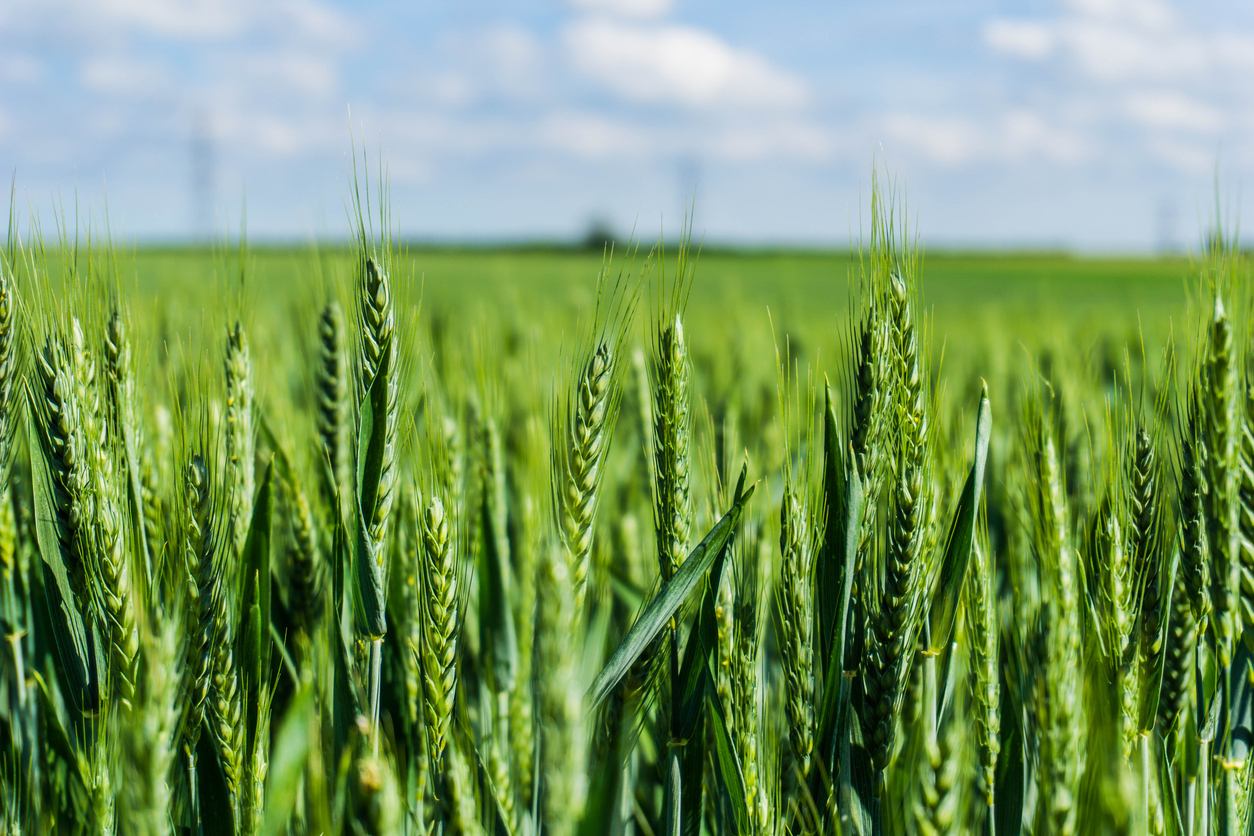
An international team of researchers has discovered a novel resistance gene in rye, known as Yr83, which provides wheat with broad-spectrum protection against the devastating stripe rust fungus. This genetic breakthrough offers a sustainable way to safeguard global wheat production and enhance food security without increasing reliance on chemical fungicides.
The discovery was made after scientists screened 100 varieties of triticale, a wheat and rye hybrid, and identified the Rozovskaya cultivar for its near-complete immunity to the most prevalent strains of the pathogen. By using advanced genomic mapping, they located the Yr83 gene on a specific rye chromosome and found that it contains a unique fusion of immune recognition domains and a "jumping gene" or transposase-derived nuclease. This unusual molecular structure is essential for the plant's defense, as removing the transposase component completely stripped the gene of its ability to fight the fungus.
Beyond disease resistance, the research yielded a practical breakthrough for farmers by creating a new wheat line that carries the Yr83 segment. Remarkably, this genetic addition did not just protect the crop; it also improved agronomic performance, leading to more spikelets and a higher grain yield per plant. As climate change and evolving pathogens continue to threaten cereal crops, this dual-purpose gene serves as a powerful new tool for breeders to develop more resilient and productive wheat varieties worldwide.
For more details, read the article in Bioengineer.
| |
You might also like:
- USask Researchers Discover Pair of Genes that Protect Wheat from Stripe Rust
- Researchers Develop Rust Resistant Wheat with Increased Heat Tolerance
- Tel Aviv University Researchers Enable Rust Resistance in Wheat
Biotech Updates is a weekly newsletter of ISAAA, a not-for-profit organization. It is distributed for free to over 22,000 subscribers worldwide to inform them about the key developments in biosciences, especially in biotechnology. Your support will help us in our mission to feed the world with knowledge. Support ISAAA by subscribing as a Premium or Elite Subscriber
-
See more articles:
-
Plant
- CRISPR Improves Plant Height and Yield-related Traits in Rice
- Researchers Discover Rye Gene that Boosts Wheat's Resistance to Stripe Rust
- USDA Invites Public Comment to Deregulate GE Corn DP51291
- Study Finds No Link Between GMOs and Health Risks
- AgBiotech Startup Brings Plant Immunity Back to Life with AI-Driven Gene Editing
-
Food
- Scientists Engineer Safer Probiotic for Immunocompromised Patients
- Rice Proteins Show Potential for Hypoallergenic Plant-Based Cheese
-
Environment
- UWA Reports Global Hotspots of Plant Bacterial Pathogens
-
Read the latest: - Biotech Updates (October 21, 2026)
- Gene Editing Supplement (September 30, 2026)
- Gene Drive Supplement (February 22, 2023)
-
Subscribe to BU: - Share
- Tweet