

Empowering Asian Biotech Leaders: What to Expect at ASCA 2026
| |
Agricultural biotechnology holds immense potential for sustainable farming, but maximizing its benefits requires a strong foundation of robust research, science-based regulations, clear communication, and seamless international legal alignment. To bridge these areas, cross-disciplinary collaboration among scientists, regulators, policymakers, and legal experts is essential to ensure regulatory frameworks keep pace with rapid innovation while mitigating risks. Addressing this need, the Asian Short Course on Agribiotechnology, Biosafety Regulation, and Communication (ASCA), a collaborative initiative by ISAAA Inc. and the Malaysian Biotechnology Information Centre (MABIC), provides crucial capacity-building for Asian stakeholders, fostering a unified, science-based voice to navigate trade, commercialization, and resource constraints across developing nations.
Course Description
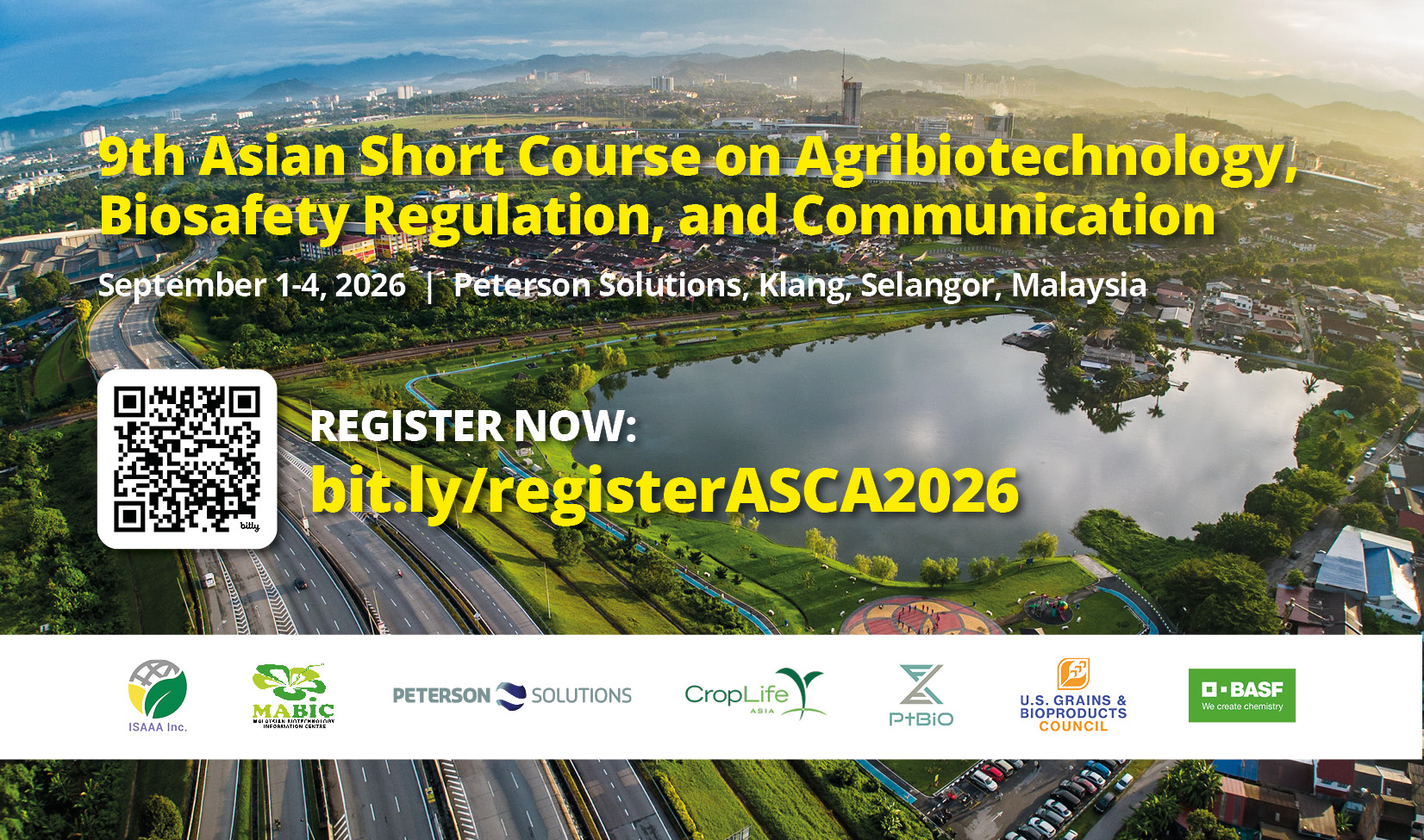
Building on a strong legacy that has trained over 250 participants across Malaysia, the Philippines, Indonesia, and Thailand since its inception, the upcoming 9th edition (ASCA2026) will run from September 1 to 4, 2026, at Peterson Solutions in Klang, Selangor, Malaysia. The intensive four-day curriculum centers on four core themes: cutting-edge frontiers in agribiotech, global regulatory navigation, genome editing policy and commercialization, and strategic public engagement. Through a dynamic blend of expert lectures, interactive exercises, and specialized learning materials, attendees gain comprehensive insights into the entire pipeline of crop, animal, and microbial innovations from the lab to the global marketplace.
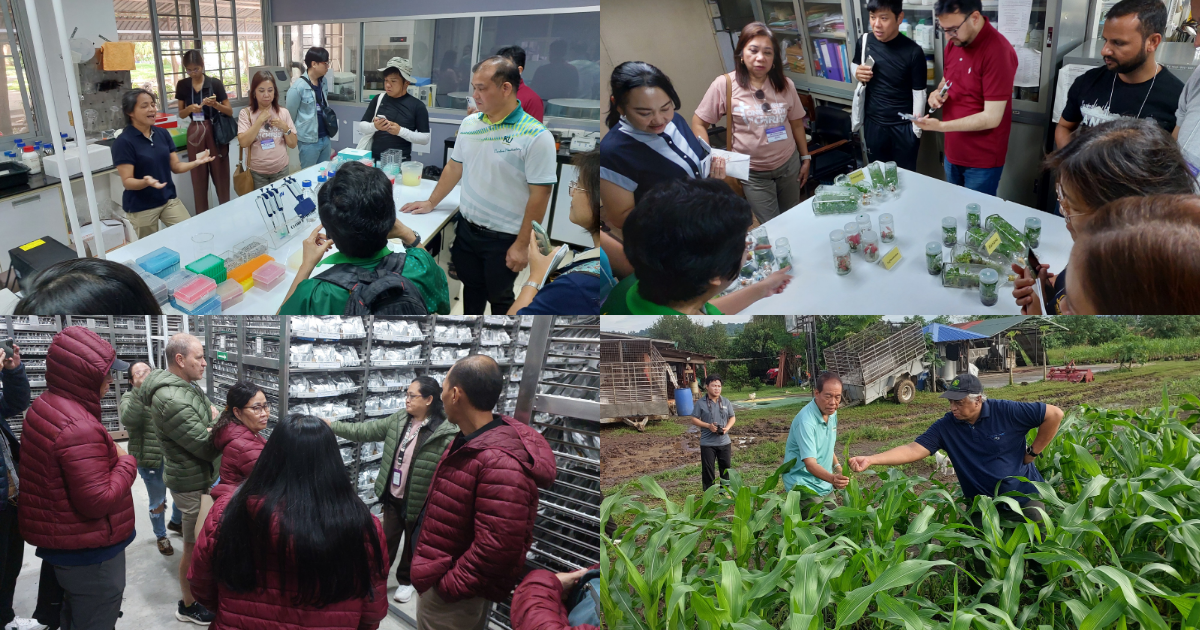
To complement classroom theory with practical application, ASCA2026 incorporates a dedicated final day of hands-on laboratory demonstrations and field visits to biotechnology farms and research institutions.
What Past Participants Say
The true impact of the ASCA is best reflected in the experiences of its former attendees. Over the years, scientists, regulators, policymakers, and industry professionals from across the region have highlighted how ASCA transformed their understanding of the modern biotech landscape. Beyond the rigorous technical sessions and field learning, participants consistently emphasize the invaluable cross-disciplinary connections and collaborative network built during the program. Here is what previous attendees have shared about their journey:
“I am very grateful to have been given the opportunity to attend the ASCA8 which has comprehensive content, valuable networking opportunities, and a practical learning approach, all of which contribute to building a stronger and more informed community in the field of agribiotechnology,” according to Ms. Nur Azizah, Senior Expert Planner from Indonesian Center for Agricultural Development and Modernization of Biotechnology and Genetic Resources and one of ASCA8 graduates.
“The topics are well thought out and will definitely help scientists and regulatory advisers guide policymakers on the registration, use, and monitoring of agribiotech products. The science communication and policy advocacy session interests me the most since this will help us popularize our technologies,” said Prof. Barbara L. Caoili at the Institute of Weed Science, Entomology and Plant Pathology, College of Agriculture and Food Science, University of the Philippines Los Baños. She was one of the participants of ASCA8 held in Manila.
“For me, the course highlights how effective communication impacts the journey from research and development to the commercialization of GMO and GEd products. Communication is essential at every stage—from scientists in the lab to farmers in the field, from the harvest to the consumer, and from national to global trade. It plays a critical role in delivering messages effectively and transforming scientific data into policy on an international scale,” said Mr. Reynaldo Ferrer Diocton IV, Senior Science Research Specialist from the Philippine Department of Agriculture Crop Biotechnology Center, who joined in 2024 in Thailand.
“The course covers critical aspects like biotechnology development, risk assessment, and regulation, ensuring a thorough understanding of the entire biotech landscape. This course also provides a platform to connect with experts, researchers, policymakers, and other stakeholders in the field of biotechnology across Asia, fostering collaboration and knowledge exchange,” said Dr. Muzammil Farooq, Programme Support Manager from Centre for Agriculture and Bioscience International and one of the participants of ASCA7 from Pakistan.
Registration
Registration fees are set at US$1,000 for international participants and US$800 for local Malaysia-based attendees, which cover all workshop access, training kits, local site transportation, daily meals, and an opening welcome dinner. While travel, accommodation, and transfer charges remain the responsibility of the attendee, flexible payment options via PayPal or bank transfer ensure an accessible training experience for regional leaders driving the future of agricultural science. Register today to secure your spot.
| Newer Post | Archive | Older Post |
Science Speaks is ISAAA Inc.'s official blog. Weekly blog articles, authored by ISAAA writers, partners, and invited contributors, aim to help share, disseminate, and promote scientific knowledge and its vital role in achieving global agricultural sustainability and development. Your support to Science Speaks will help us achieve this goal. You can help us by donating as little as $10.