

Stay Ahead of the Agri-Biotech Landscape: Why Organizations Need a Clearer View of the Global Data
| |
Agricultural biotechnology has grown from a relatively new technology into a vital component of modern agriculture. Over nearly three decades, 73 countries have adopted biotech/GM crops through cultivation or importation. The question for organizations today is no longer simply what has happened—but what these developments mean for the decisions they need to make next.
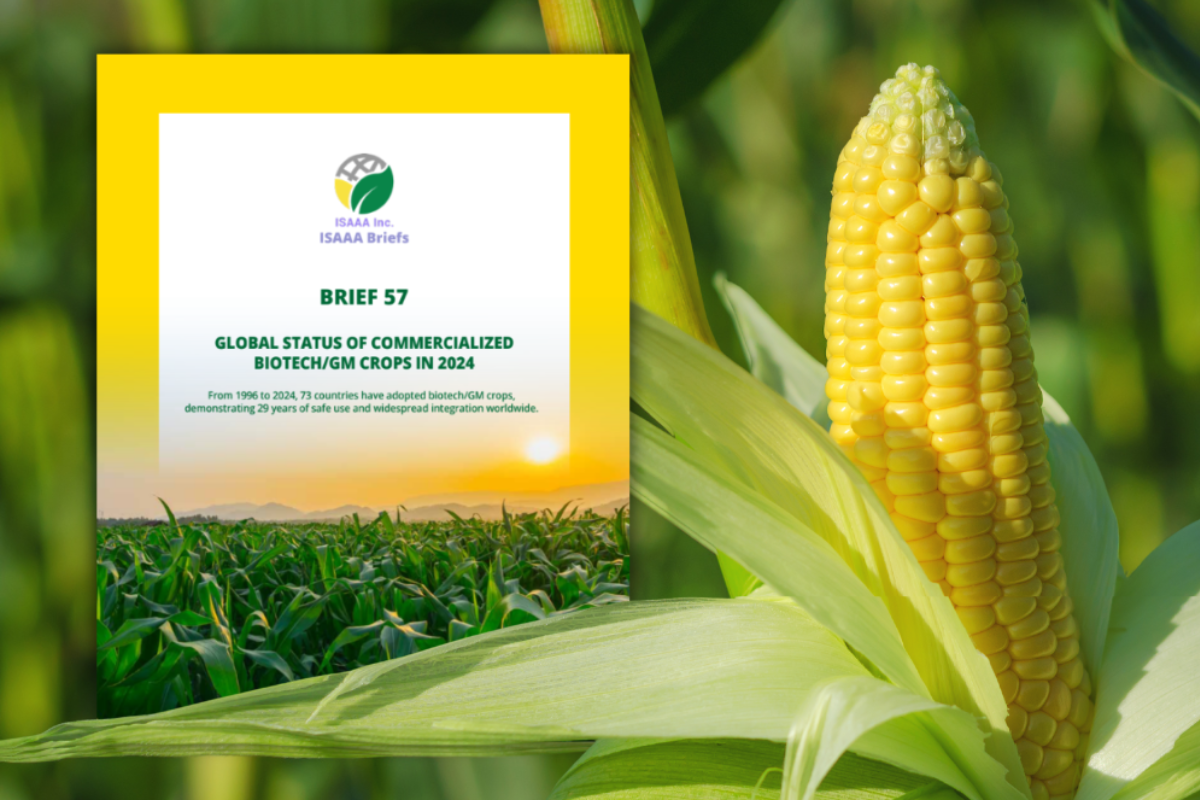
Ever since the biotech/GM crops were planted in 1996, agri-biotech has continued to evolve. Crops with traits for insect resistance and herbicide tolerance have been joined by products addressing nutritional needs, environmental challenges, and other agricultural priorities.
Numbers in terms of countries, decades of adoption, and hectares of biotech crops tell an important story. For organizations working in agriculture, biotechnology, food, research, or policy, what does this data mean to you? Data becomes more valuable when it can help answer practical questions, such as:
- Where is biotech/GM crop adoption growing?
- Which crops and traits are gaining traction?
- What developments are taking place in different regions?
- How are countries responding to new agri-biotech products?
- What emerging technologies could shape the future of agricultural innovation?
For organizations, these questions matter because developments in agri-biotech do not happen in isolation. Changes in one country or region can have significant implications for research priorities, agricultural policies, trade, and industry strategies elsewhere. Therefore, a global perspective matters.
ISAAA Brief 57, titled Global Status of Commercialized Biotech/GM Crops in 2024, provides a comprehensive discussion of the global status of biotech/GM crop adoption and their developments in various regions of the world. Rather than focusing on a single country, crop, or event, Brief 57 brings together information that helps readers understand the bigger picture.
For research organizations, it can help provide context for identifying research priorities and understanding where technologies are advancing.
For policymakers and government agencies, Brief 57 provides an overview of global adoption and regulatory trends, which can be useful in considering agri-biotech laws and policies.
For industry companies, understanding where biotech/GM crops are being adopted and how the landscape is changing can contribute to market intelligence and strategic planning.
For academic institutions, authoritative global data can help researchers, faculty, and students build a more complete understanding of agricultural biotechnology.
For organizations, different teams may need the same information for different purposes. A research team may analyze scientific and technological developments, while a communications team may need reliable facts and global context. A policy team may follow regulatory and adoption trends, while the management may need a concise understanding of where the sector is heading.
ISAAA's Corporate and Institutional Subscription is designed to provide access for an entire department or research team. Rather than relying on individual staff members to search for and compile information independently, organizations can now provide their teams with access to a shared source of biotech information.
Learn more about ISAAA's Biotech Updates subscription plans to see what fits your organization. For more information, send an email to knowledge.center@isaaa.org.
| Newer Post | Archive | Older Post |
Science Speaks is ISAAA Inc.'s official blog. Weekly blog articles, authored by ISAAA writers, partners, and invited contributors, aim to help share, disseminate, and promote scientific knowledge and its vital role in achieving global agricultural sustainability and development. Your support to Science Speaks will help us achieve this goal. You can help us by donating as little as $10.