Subscribe
Science Speaks - Blog by ISAAA

Kapihan Session Engages Consumers in Conversations on Agri-biotech

By ISAAA Inc.
September 2, 2026

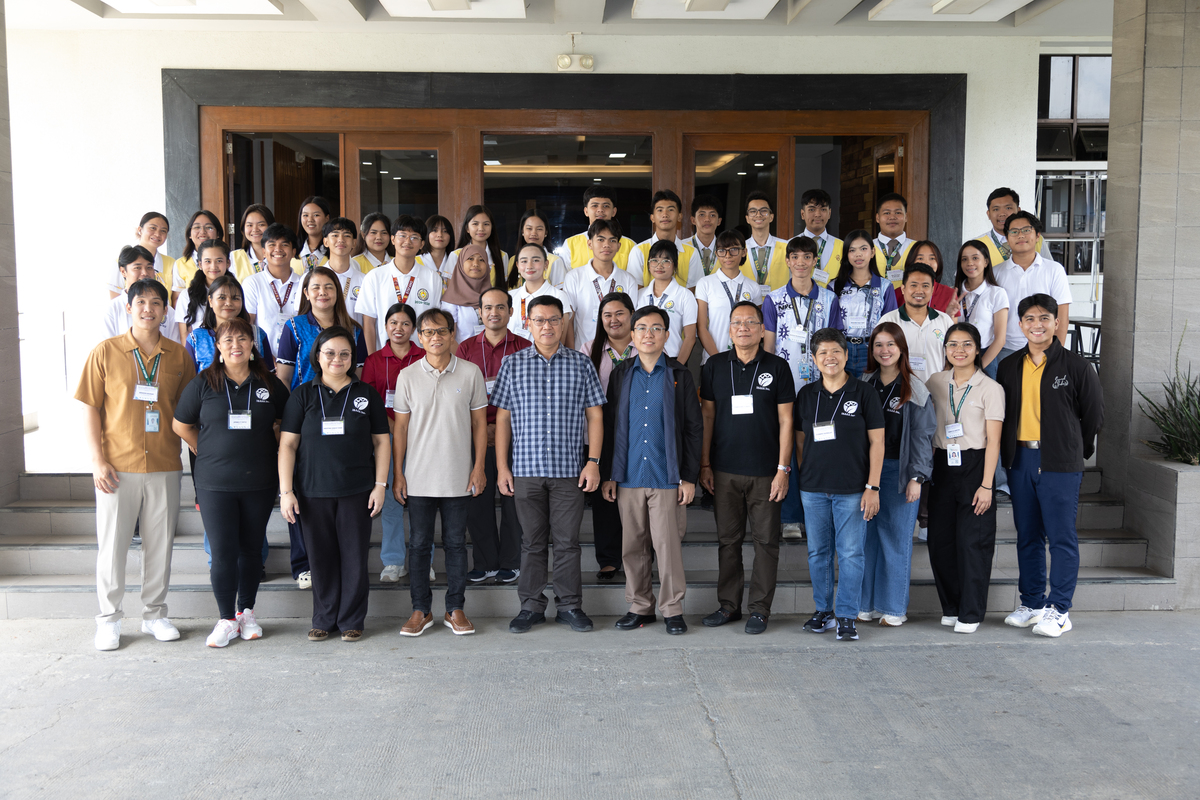
Conversations on Agri-biotech: A Kapihan Session with Consumers, held on August 20, 2026, is the third part of a series organized by the International Service for the Acquisition of Agri-biotech Applications, Inc. (ISAAA, Inc.), in collaboration with the Department of Agriculture - Biotech Program Office (DA-BPO). The third Kapihan session brought together 31 representatives from key stakeholders and consumer groups, including the Philippine Stakeholders for Nutrition and Dietetics (PSND), Inc., Initiatives for Dialogue and Empowerment through Alternative Legal Services (IDEALS), Inc., Halal International Chamber of Commerce and Industries of the Philippines (HICCIP), Inc., and Philippine Coalition of Consumer Welfare Inc., as well as student representatives from the University of the Philippines League of Agricultural Biotechnology Students (UP LABS) and UP Genetic Researchers and Agricultural Innovators Society (UP GRAINS). 


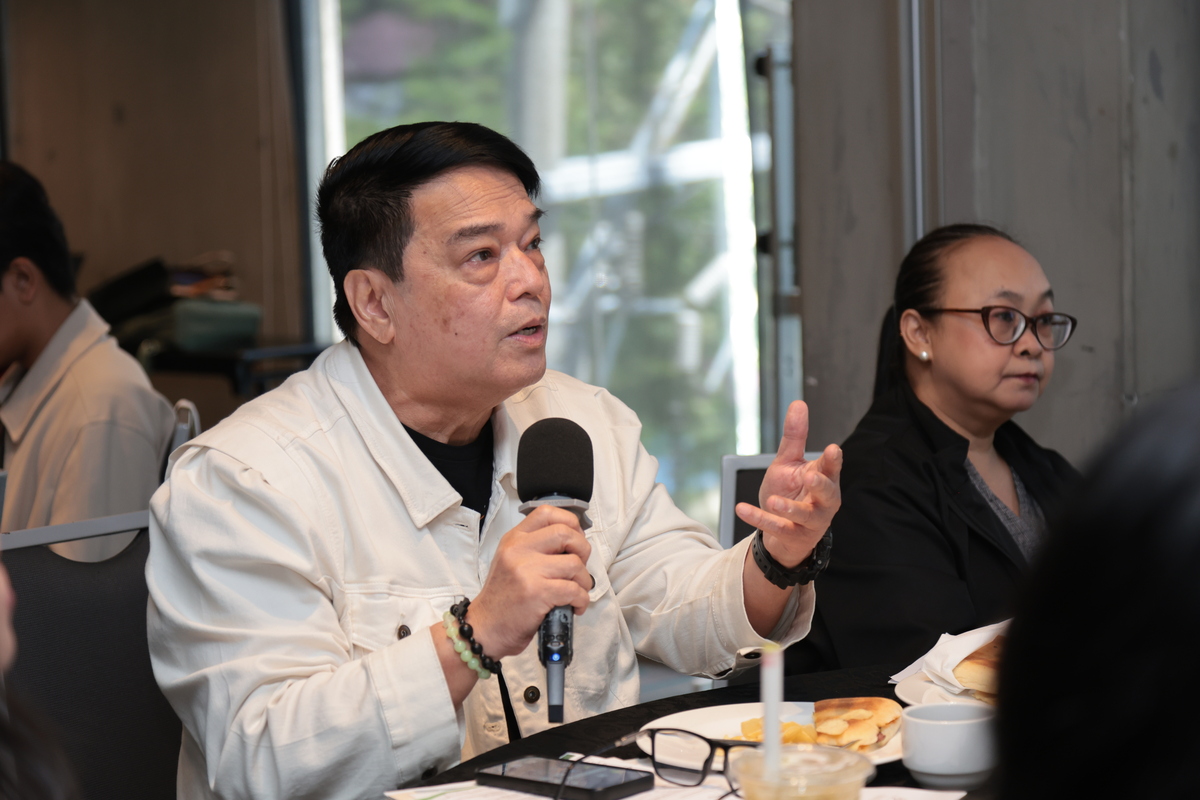
Mr. Ricardo Samaniego, Chairman of the Philippine Coalition of Consumer Welfare, Inc., joins experts in a discussion on biotech products in the Philippines.

Mr. Panfilo de Guzman, Deputy Director of ISAAA, Inc., opened the program by highlighting the importance of this kind of dialogue on agricultural biotechnology. The third Kapihan session aimed to provide a space among experts, consumers, and other stakeholders to address misconceptions and misinformation about genetically modified (GM) foods fueling unfounded fears about their safety.


Dr. Abraham J. Manalo, Assistant Professor at the University of the Philippines Diliman and Executive Secretary of the Biotechnology Coalition of the Philippines, gave an overview of agricultural biotechnology, commercialized and approved biotech crops, and the economic impact of biotech corn on the livestock industry. He shared how Philippine agriculture has advanced through the adoption of agri-biotech products, tracing back to initial field trials of genetically-modified corn in Polomolok, South Cotabato in 2001. He highlighted the economic impact of these GM crops on smallholder farmers through better yield and income.


Mr. Reimond S. Corona, Project Senior Technical Specialist of the Department of Science and Technology (DOST) - National Committee on Biosafety of the Philippines (NCBP), discussed the regulation of GMOs and gene-edited crops and the approval process of NCBP and the Bureau of Plant Industry (BPI). He shared that the Philippines is one of the first countries in Southeast Asia to conduct modern biotechnology R&D and establish biosafety regulations through the National Biosafety Framework. Biosafety guidelines were also implemented to evaluate and regulate experiments on GMOs under contained use or confined tests. “In all levels, from contained use to direct use, our system is transparent, and the public is always involved in decision-making,” said Mr. Corona.


An open discussion was led by Dr. Ernelea P. Cao, Professor Emeritus from the University of the Philippines Diliman; Dr. Lourdes D. Taylo, Career Scientist 1/Project Leader of the Bt Eggplant Project, Institute of Plant Breeding; Dr. Reynante Ordonio, Career Scientist 1/Project Leader of the Healthier Rice Project of PhilRice; and the two key resource speakers. The participants raised practical questions on the safety, affordability, and quality of agri-biotech products and how these are marketed and communicated to consumers. The panel emphasized the importance of projects like the Kapihan sessions in better informing consumers about the benefits of biotechnology. Student organizations were also encouraged to leverage the efforts of government institutions and amplify the voice of the biotech community.


In closing, Dr. Paul Limson, Director of DA-BPO, whose message was delivered by Mr. Pian Huelva, thanked the program for ensuring that consumer groups are included in discussions on agricultural biotechnology. Questions raised by consumer groups during the session were deemed helpful for researchers, regulators, and government agencies to understand what information the public needs and which concerns still require clearer answers.

[Read more]