

Peru Releases Gene Editing Guidelines
April 1, 2026| |
The Peruvian Ministry of the Environment has officially approved a new regulatory framework to evaluate organisms developed through advanced biotechnological tools like CRISPR. Enacted via Ministerial Resolution No. D000068-2026-MINAM-DM, these guidelines establish technical criteria to determine if a gene-edited organism should be classified as a Modified Living Organism (MVO). This case-by-case scientific approach allows authorities to distinguish between traditional transgenics and precise genetic alterations that do not introduce foreign DNA, providing much-needed clarity within the country's existing biosafety laws.
This measure arrives at a critical juncture for Peru, where a moratorium on the cultivation of transgenic organisms is currently in place until 2035. By creating a predictable legal framework, the government aims to empower local research institutes and universities to develop crops better adapted to climate change and resource scarcity. David Castro, Director of Genetic Resources and Biosecurity, emphasized that the conservation of Peru's rich biodiversity and the promotion of biotechnology are complementary goals that will now be guided by rigorous scientific evidence.
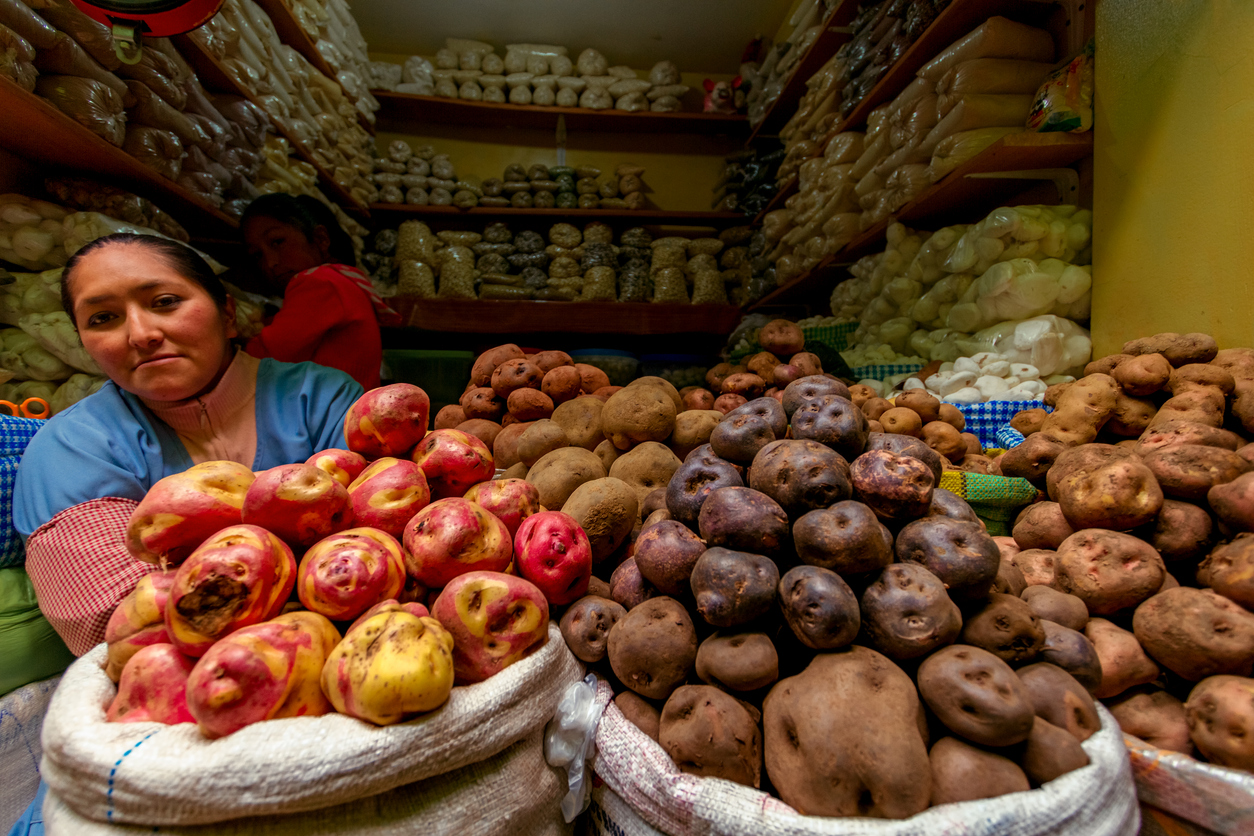
The new regulations align Peru with a growing global trend embraced by over 30 countries, including Argentina, Brazil, the United States, Canada, Japan, and members of the European Union. For the Peruvian agricultural sector, this could revolutionize the production of staples, such as potatoes and rice, as well as high-value exports like blueberries and avocados. By fostering the development of pest-resistant and water-efficient varieties, the guidelines position Peru to enhance its food security and international competitiveness while maintaining high biosafety standards.
For more details, read the news article in SeedWorld. The guidelines published in Spanish are available in El Peruano.
| |
You might also like:
- Rethinking Policies: Do Stringent GM Regulations Hold Us Back?
- Review Paper Outlines Vital Role of Regulation in Plant Gene Editing
- Harmonization of Gene Editing Regulations Vital in Bringing Products to Market
Biotech Updates is a weekly newsletter of ISAAA, a not-for-profit organization. It is distributed for free to over 22,000 subscribers worldwide to inform them about the key developments in biosciences, especially in biotechnology. Your support will help us in our mission to feed the world with knowledge. You can help by donating as little as $10.
-
See more articles:
-
Plant
- Peru Releases Gene Editing Guidelines
- USDA-APHIS Deregulates GE Insect Resistant Corn MON 95275
- Scientists Identify Gene to Improve Root Systems in Cereal Crops
- Wheat Gene Confers Tolerance to Low Temperature in Arabidopsis
- ISAAA Report Presents Top Producers of Biotech/GM Crops in 2024
- Researchers Find Hornworts Could Help Turbocharge Crop Yields
-
Animal
- Novel CRISPR-Based Vaccine Shows Protection Against Marek’s Disease
-
Environment
- Scientists in Germany Reveal How Soil Bacteria Break Down Toxic Chemicals in the Environment
-
Read the latest: - Biotech Updates (August 12, 2026)
- Gene Editing Supplement (July 29, 2026)
- Gene Drive Supplement (February 22, 2023)
-
Subscribe to BU: - Share
- Tweet