

Researchers Use Gene Editing to Improve Salt Tolerance in Soybeans
January 21, 2026| |
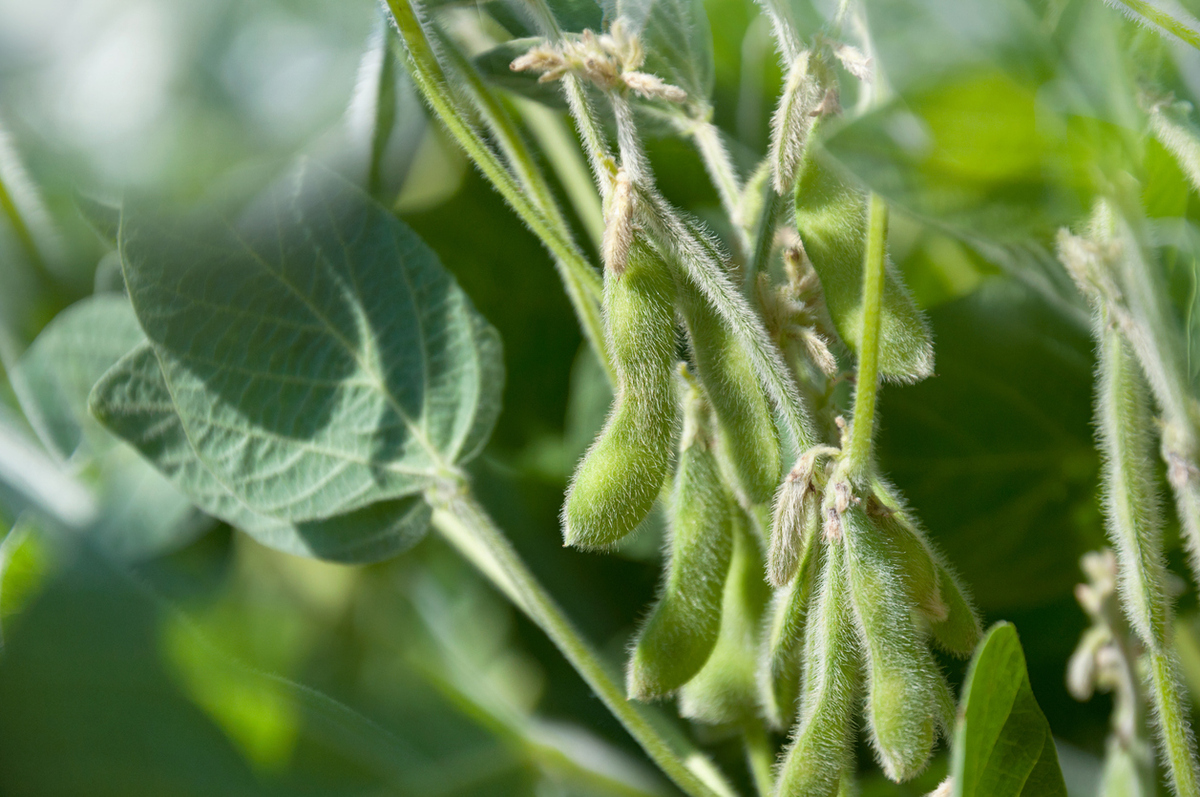
Researchers from Nanjing Agricultural University and Xinjiang Agricultural University in China have identified a key genetic mechanism that helps wild soybean (Glycine soja) plants tolerate high salinity conditions. The study focused on how the transcription factor GsWRKY23 regulates a downstream gene, GsPER3, to strengthen the plant's defense against salt stress.
GsPER3 plays a role in controlling reactive oxygen species produced during stress. In the study, the researchers found that GsWRKY23 directly activates GsPER3 by binding to a specific region of its promoter. Using gene editing, the study revealed that plants with overexpressed GsWRKY23 had higher GsPER3 expression and peroxidase (POD) activity, while plants with suppressed GsPER3 expression showed opposite results.
The findings demonstrate that activating GsPER3 improves salt tolerance. Plants overexpressing GsPER3 showed better plant fresh weight and leaf relative water content, and lower relative electrolytic leakage level and malondialdehyde content in roots and leaves. The study concludes that activating GsPER3 expression could be used to develop more resilient soybean varieties for saline environments.
For more information, read the study from Plant Physiology and Biochemistry.
| |
You might also like:
- Gene Editing Boosts Soybean Yield and Protein Content
- Gene Editing Improves Soybean Grain Quality for Animal Feed
- Gene Editing to Produce Soy Milk with Stronger Aroma
Biotech Updates is a weekly newsletter of ISAAA, a not-for-profit organization. It is distributed for free to over 22,000 subscribers worldwide to inform them about the key developments in biosciences, especially in biotechnology. Your support will help us in our mission to feed the world with knowledge. You can help by donating as little as $10.
-
See more articles:
-
Plant
- Researchers Use Gene Editing to Improve Salt Tolerance in Soybeans
- Researchers Develop Glyphosate-tolerant Rice BriA15-38
- EFSA Reaffirms Safety of Bayer’s GM Soybean MON 87769 for Continued Use in EU
- Japanese Scientists Identify First Begomovirus Resistance Gene in Eggplants
- Get Exclusive Access to the ISAAA Global Biotech/GM Adoption Report
- Australia Approves Commercial Release of GM Purple Tomato
- ISAAA, Inc. Announces New Appointments to Boost the Global Knowledge Center on Biotechnology
-
Food
- Knowledge Shapes Views of Gen Z Consumers on GM Foods
-
Read the latest: - Biotech Updates (January 21, 2026)
- Gene Editing Supplement (December 17, 2025)
- Gene Drive Supplement (February 22, 2023)
-
Subscribe to BU: - Share
- Tweet