

Gene Editing in Watermelon Confers Resistance Against Zucchini Yellow Mosaic Virus
October 30, 2024| |
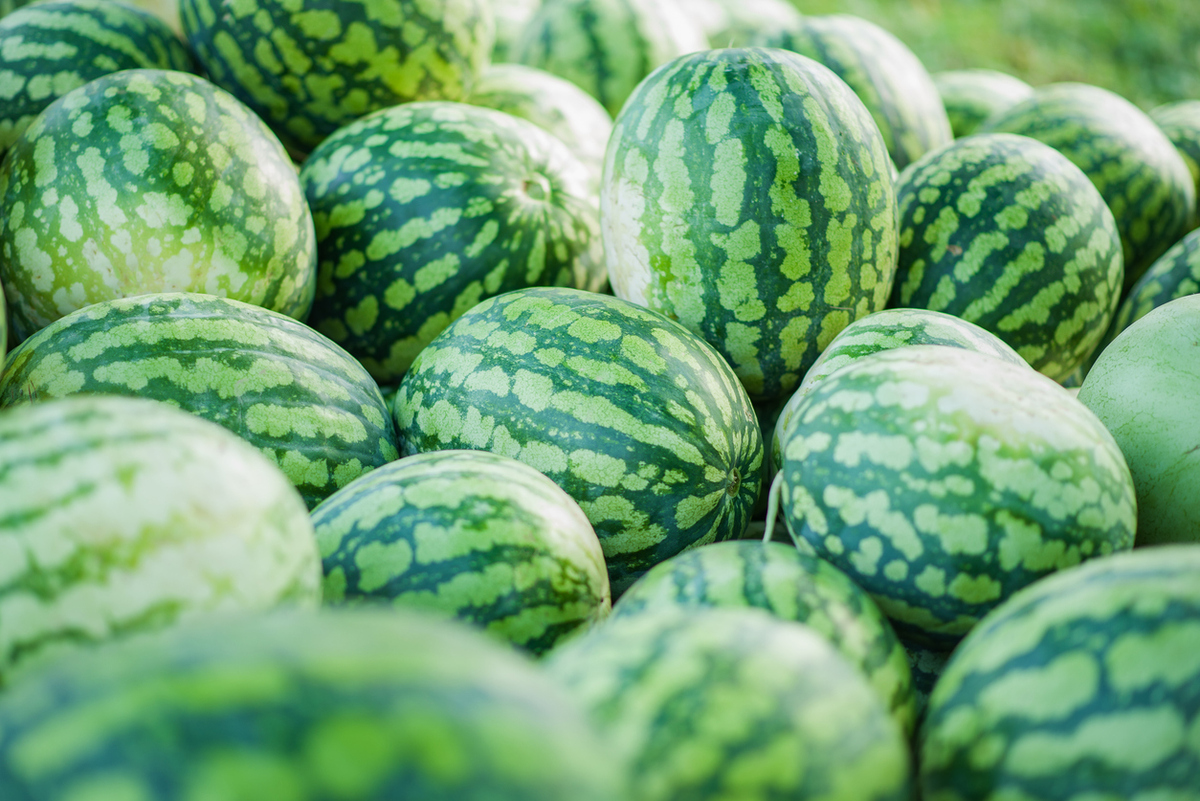
A study conducted by researchers from the Beijing Academy of Agricultural and Forestry Sciences and Hunan Agricultural University showed that editing elF4E in watermelon through CRISPR-Cas9 technology confers resistance against zucchini yellow mosaic virus (ZYMV).
Watermelon is a vital cucurbit crop valued for its nutritional and economic significance globally. However, its cultivation faces major challenges, with viral infections posing a significant threat that causes reduced harvests and financial losses for farmers. To address this, researchers used CRISPR to understand the functions of elF4E proteins in watermelon.
The study found that the homozygous mutant exhibits developmental defects in plant growth, leaf morphology, and reduced yield. The results also revealed that the mutant was protected by ZYMV, but not the cucumber green mottled mosaic virus. This data will help researchers understand the disease resistance mechanisms of elF4E proteins in watermelon. The authors suggest that future studies may focus on tissue-specific editing of CleIF4E1 to explore the potential of preventing adverse changes to watermelon fertility.
For more information, read the article from MDPI.
| |
You might also like:
- Researchers Reveal Genetic Basis of Watermelon Seed Size
- Chinese Researchers Develop Herbicide Tolerant Watermelon
- USDA Approves Field Trials of Gene-edited, Virus Resistant Tomatoes
Biotech Updates is a weekly newsletter of ISAAA, a not-for-profit organization. It is distributed for free to over 22,000 subscribers worldwide to inform them about the key developments in biosciences, especially in biotechnology. Your support will help us in our mission to feed the world with knowledge. You can help by donating as little as $10.
-
See more articles:
-
Plant
- USDA APHIS Releases Regulatory Status Review for Modified Sweet Orange and Maize
- Ban on GM Corn Could Exacerbate Food Insecurity and Job Loss in Mexico
- Researchers Develop Tomato Plants that Contain Full Genetic Material of Both Parent Plants
-
Food
- EFSA GMO Panel Finds No Safety Concerns with the Food Enzyme Carboxypeptidase C from GM Aspergillus Niger
-
Environment
- USDA, EPA, and FDA Launch New Web-Based Tool for Developers of Microbial Biotechnology Products
- CBD Urges Nations to Shift to Emergency Mode to Achieve Biodiversity Targets
- Colombia is 153rd Country to Ratify International Treaty on Plant Genetic Resources for Food and Agriculture
- Contributions of Biotech Crops to Food Security, Sustainability, and Climate Change Solutions
-
Read the latest: - Biotech Updates (September 16, 2026)
- Gene Editing Supplement (August 26, 2026)
- Gene Drive Supplement (February 22, 2023)
-
Subscribe to BU: - Share
- Tweet