

ISAAA Launches Brief 57 in Manila, Marking Two Decades of Biotech Success in the Philippines
| |
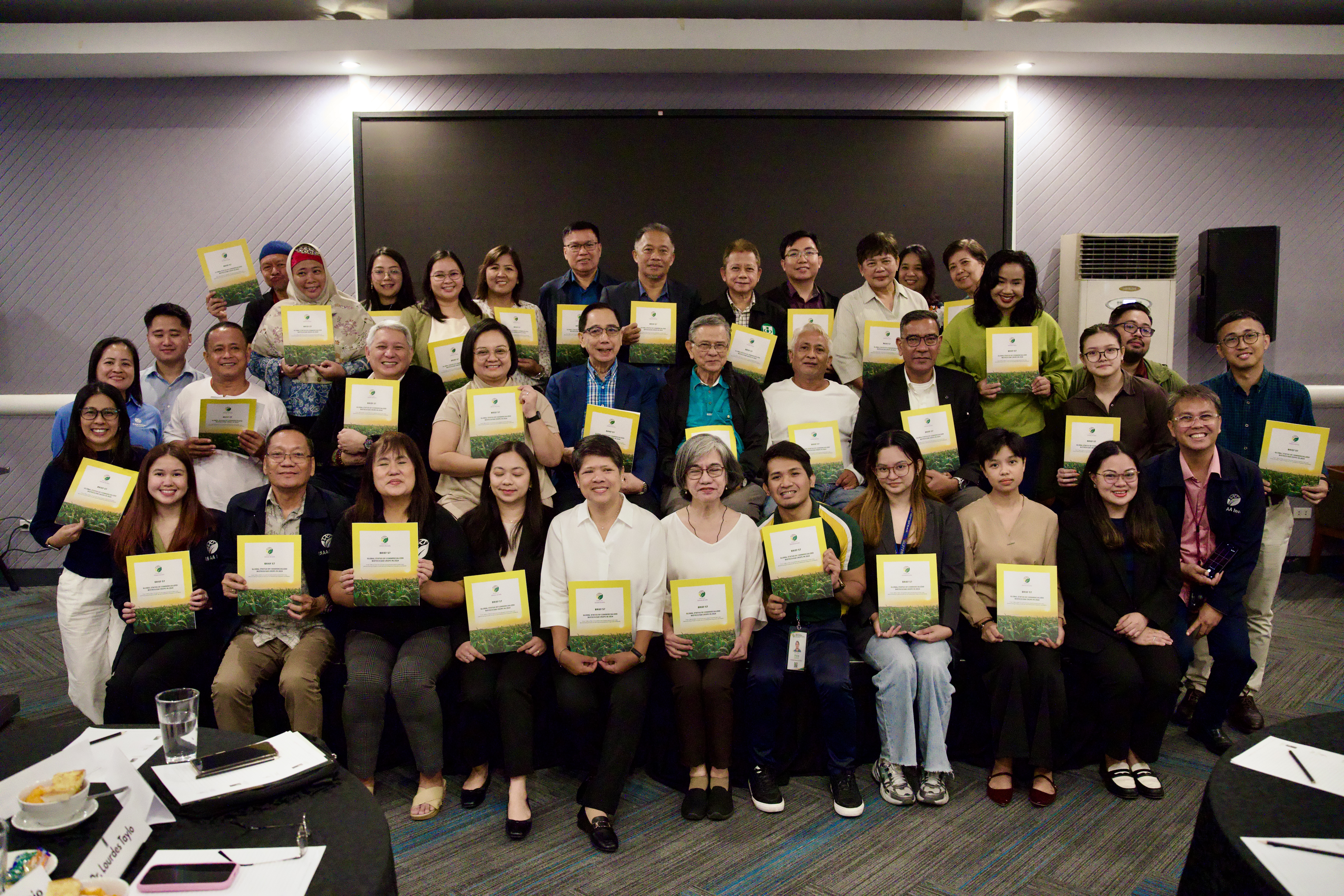
For more than 20 years, a quiet revolution has unfolded across the corn fields of the Philippines. What began in 2002 as a pioneering policy decision has transformed into a global masterclass in sustainable agriculture.
To map this journey and look toward the next frontier of food security, the International Service for the Acquisition of Agri-biotech Applications (ISAAA), Inc. officially launched its flagship report, Global Status of Commercialized Biotech/GM Crops in 2024 (Brief 57), alongside its supplementary report, Biotech Facts and Trends: Asia and Oceania. Co-organized with CropLife Philippines and Bayer Crop Science Philippines, the press conference took place at the B Hotel in Quezon City on July 7, 2026, gathering a dynamic mix of media practitioners, smallholder farmers, scientists, industry partners, and agricultural policymakers. This activity follows the global launch of Brief 57 on February 27, 2026.
A Regional Pioneer and Global Leader
The Brief 57 launch underscored a proud milestone: the Philippines was the very first country in Southeast Asia to greenlight the commercial cultivation of a biotech crop in 2002 with the approval of insect-resistant Bt corn MON810.
Two decades later, the nation has not just maintained its momentum; it has solidified its place on the world stage. According to Brief 57, the Philippines ranks 13th globally among 31 biotech-crop-producing countries. On a broader scale, 73 countries have now adopted biotech crops through cultivation or importation, with the Asia and Oceania region emerging as one of the major producers in the world. The region accounts for nearly 10% of global plantings, encompassing 20.81 million hectares across nine pioneering countries.
The Biotech Corn Triumph: 709,000 Hectares and Counting
The core of the Philippine agbiotech success story belongs to its corn farmers. The ISAAA report highlights staggering figures. The country's area planted to biotech corn reached 709,000 hectares in 2024, with more than 673,000 smallholder Filipino farmers and their families directly benefiting from higher yields, stable incomes, and improved livelihoods.
"In 2024 alone, 709,000 hectares of Philippine agricultural land were planted with biotech corn. This has significantly benefited not only our local farmers but also the poultry and livestock industries, which rely heavily on high-quality corn feeds," reported Ms. Kristine Grace Tome, Manager of the ISAAA Global Knowledge Center on Biotechnology and one of the report's authors.
"To See is to Believe": A Farmer's Perspective
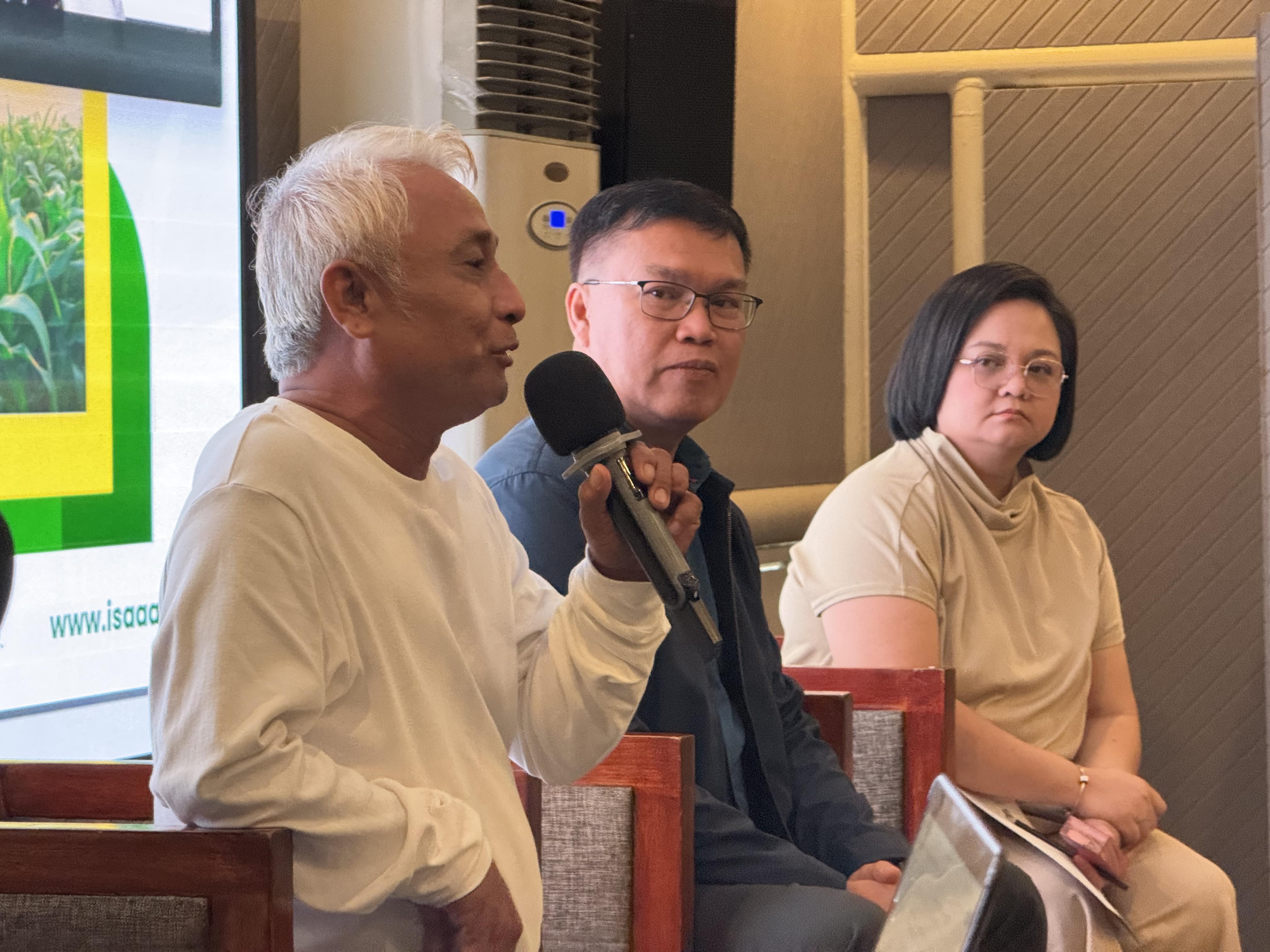
The data found a human voice in Ryan Lising, a biotech corn farmer from Magalang, Pampanga, who shared his transformative journey during the event. Lising began his career in agriculture from the very bottom, working as an errand boy on a massive corn farm, struggling to secure his family's economic future.
When Bt corn was approved, Lising took a leap of faith and became one of the early adopters of Bt corn, also called "yellow corn" in their community. The resulting breakthrough harvests drastically uplifted his livelihood, allowing him to transition into a successful corn buyer by 2013. Today, he creates economic opportunities for his entire community. Lising emphasized that the government must continue supporting localized field demonstrations. For everyday farmers, seeing the crop stand resilient against pests in a neighbor's field is the ultimate catalyst: "To see is to believe."
Beyond Corn: Reshaping the Landscape with New Crops
For more than 20 years, corn was the only commercialized biotech/GM crop in the country. In the past five years, three additional biotech/GM crops received cultivation approvals, including Golden Rice (2021), a vitamin A-enriched rice variety to combat childhood blindness and malnutrition; Bt eggplant (2022), an insect-resistant eggplant that can naturally resist the fruit and shoot borer; and Bt cotton (2023), an insect-resistant variety targeted to revitalize the local textile and garment industries.
Golden Rules: Science-Based Regulation and Better Communication
The sessions focused heavily on how the Philippines has achieved such stable, long-term scalability. The consensus among the stakeholders present during the launch was clear: predictable, science-backed policy.
Dr. Antonio Alfonso, APAC Regional Regulatory Manager at Corteva Agriscience, shared how the country has continually modernized its biosafety frameworks and emphasized that current regulation in the country is at par with international standards. The Philippines has already instituted a science-based regulatory track for plants derived from modern gene-editing technology and is actively drafting policies for genetically engineered animals. Dr. Alfonso emphasized that maintaining agricultural gains requires protecting investor and farmer confidence through these stable frameworks.
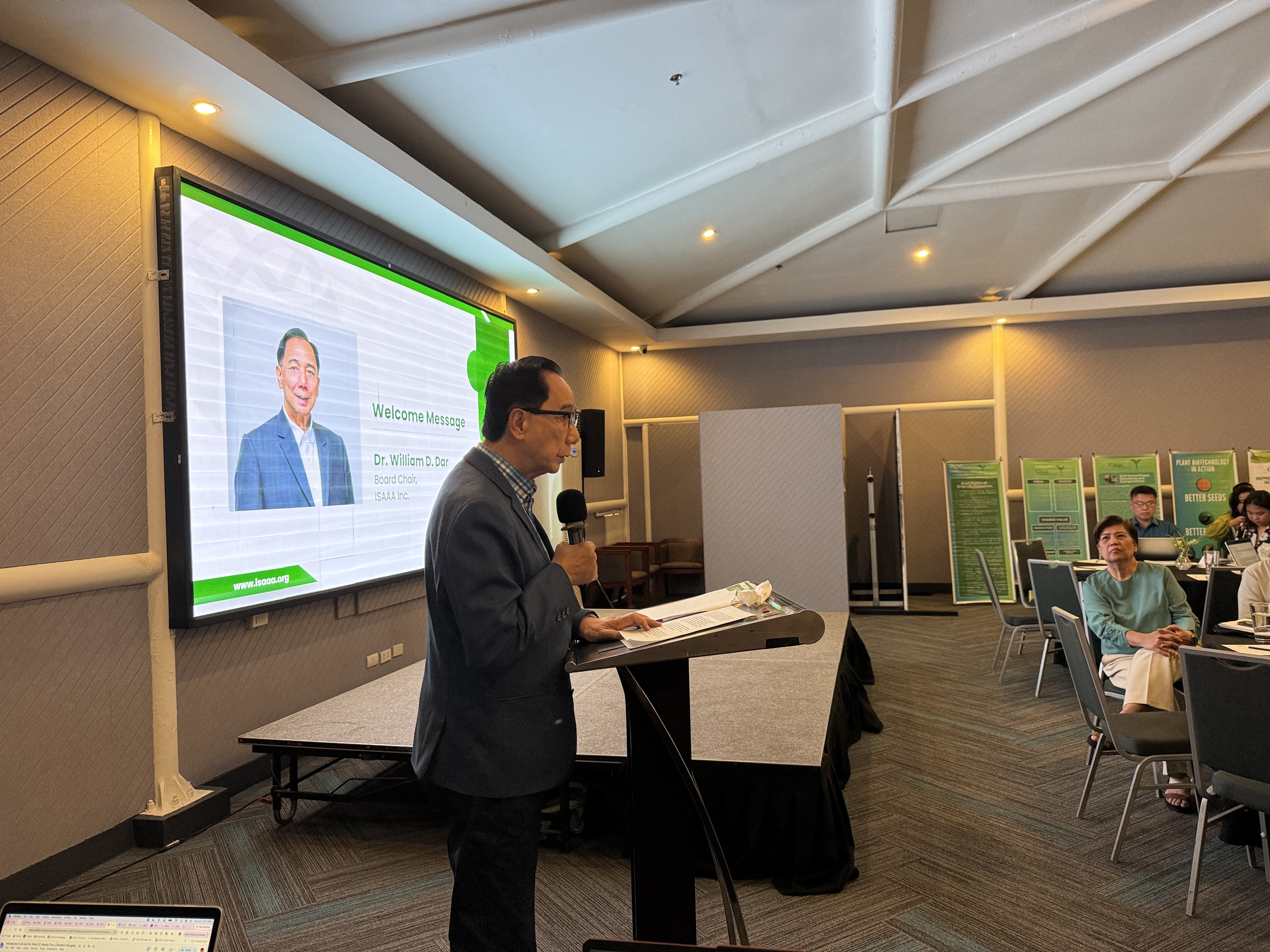
Dr. William Dar, ISAAA Chair and former Secretary of the Philippine Department of Agriculture, further drove home the point that science-backed data is essential for addressing contemporary challenges in global agriculture, sustainability, and food security.
The Path Forward: Hubs and Media Engagement
To ensure these innovations keep moving from the laboratory to the field, the event concluded with two critical recommendations from the panel. Stakeholders stressed the need for a centralized biotechnology knowledge hub. The Hub will be a unified platform to consolidate data, track progress, and make up-to-date biotech developments easily accessible to regulators, researchers, and the public.
Sustained media engagement is also vital, as panelists noted that partnering with the media plays a significant role in fostering accurate, science-based reporting. Translating complex genetic science into transparent, reliable public information is key to countering misinformation and ensuring consumers feel secure.
The launch of Brief 57 highlights that agricultural biotechnology in the Philippines is no longer just an experiment, but rather a core, proven pillar of the nation's food security, environmental safety, and economic survival. Through two decades of consistent, science-backed biosafety regulation, the country has transformed from a regional pioneer into a global leader, paving the way for over 673,000 smallholder corn farmers to achieve stable livelihoods while expanding to new biotech crops such as Golden Rice, Bt eggplant, and Bt cotton. Moving forward, sustaining this momentum will require continued partnership with the media and all stakeholders to ensure that transparent, scientific evidence drives public confidence and safeguards future innovation.
Access to ISAAA Brief 57
The Global Status of Commercialized Biotech/GM Crops in 2024 and the supplementary regional report, Biotech Facts and Trends: Asia and Oceania, are available for purchase directly from the ISAAA website.
| Newer Post | Archive | Older Post |
Science Speaks is ISAAA Inc.'s official blog. Weekly blog articles, authored by ISAAA writers, partners, and invited contributors, aim to help share, disseminate, and promote scientific knowledge and its vital role in achieving global agricultural sustainability and development. Your support to Science Speaks will help us achieve this goal. You can help us by donating as little as $10.