

Pan-Asia Farmers Exchange Program Advances Agricultural Horizons in the Region
| |
Over 50 key stakeholders from 11 Asian countries participated in the 18th Pan-Asia Farmers Exchange Program held on March 2-6, 2026, at Acacia Hotel, Manila, Philippines.
Since 2007, the Pan-Asia Farmers Exchange Program has served as a vital knowledge-sharing hub for agricultural biotechnology, uniting farmer-leaders, scientists, policymakers, and media professionals across the region. By combining collaborative dialogue with firsthand visits to biotech farms, research labs, and processing plants, the program provides stakeholders with a transparent look at the rigorous, science-based regulatory processes that ensure environmental and consumer safety. Ultimately, these interactive experiences empower participants to understand how biotech crops are managed on the ground and the tangible economic and social benefits they provide to local farming communities.
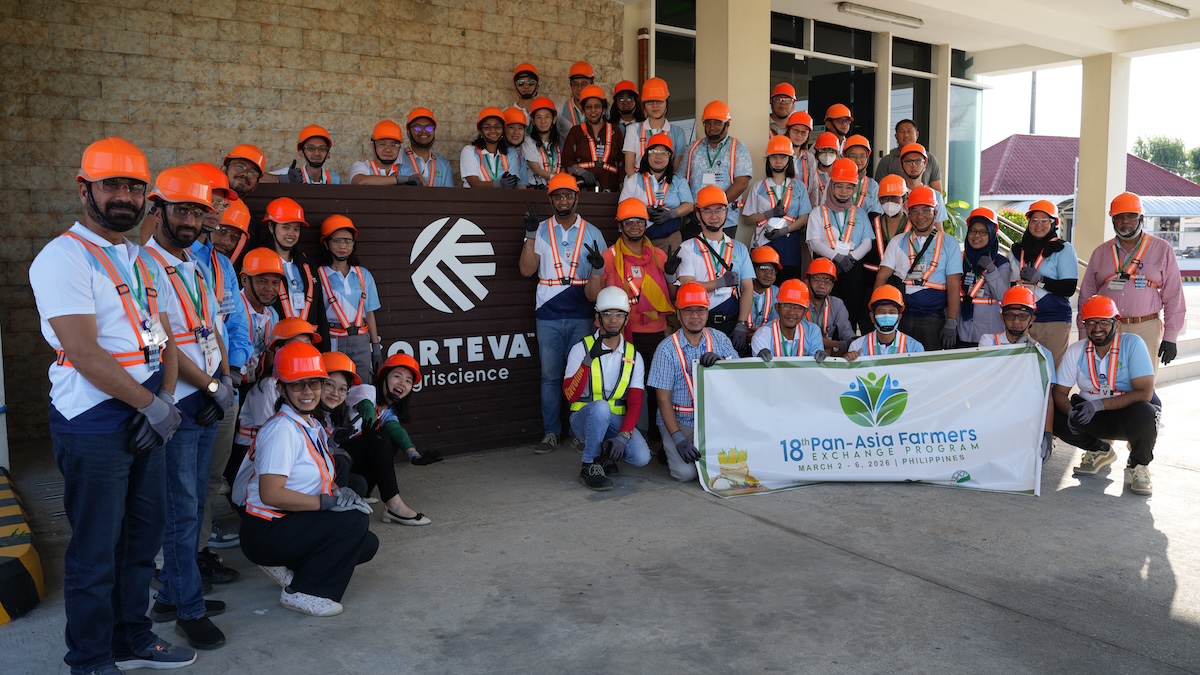
Organized by CropLife Asia, CropLife Philippines, and ISAAA, Inc., this year’s program featured specialized sessions led by international experts on biotechnology, biosafety regulations, stewardship platforms, gene editing, and science communication. To complement these technical discussions, participants engaged in experiential learning through site visits to world-class facilities, including the International Rice Research Institute, National Institute of Molecular Biology and Biotechnology at UP Los Baños (BIOTECH), Syngenta Demo Farm, and Corteva Seed Processing Plant.
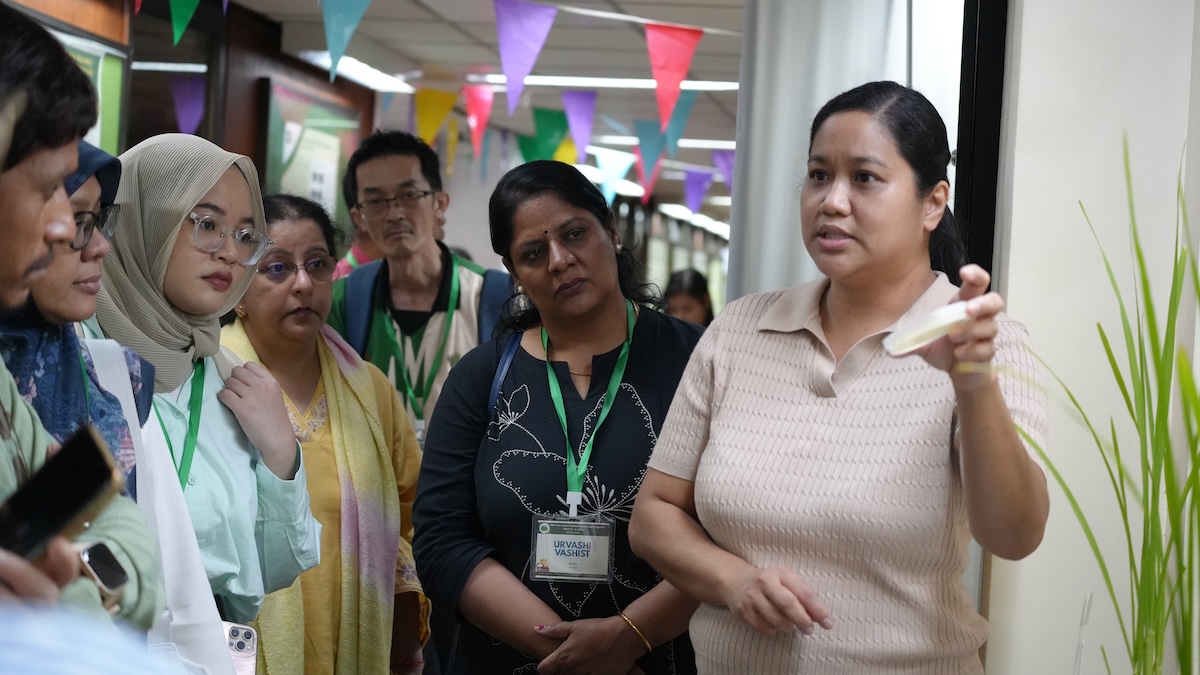
The following points summarize the core discussions and outcomes of the program:
- Technological advancement. Modern genetic engineering and gene editing have evolved beyond traditional breeding to offer faster, more precise solutions for global food security and climate resilience.
- Sustainability and impact. Biotechnology drives sustainable agriculture by increasing yields and farmer incomes while significantly reducing pesticide use and carbon emissions across millions of hectares globally.
- Regulatory maturity. The Philippines maintains a world-class, 30-year biosafety framework that ensures efficient, transparent, and science-based oversight of modern biotech crops.
- Efficacy preservation. Strict adherence to insect and weed resistance management protocols, such as "high-dose + refuge" systems, is essential to sustaining the long-term effectiveness of biotech traits.
- Integrated support. Success in the field is bolstered by holistic initiatives, including sustainable land management, localized pest diagnostics, and robust phytosanitary systems, which facilitate seamless global trade.
“ISAAA is dedicated to bridging the gap between the lab and the field. Through this program, we provide a firsthand look at how science-based regulations and tools, such as gene editing, create resilient farming communities. By fostering this dialogue, we are ensuring that the benefits of agricultural innovation reach the smallholder farmers who need them most,” said Dr. Rhodora Romero-Aldemita, Executive Director of ISAAA, Inc. and one of the co-organizers of the event.
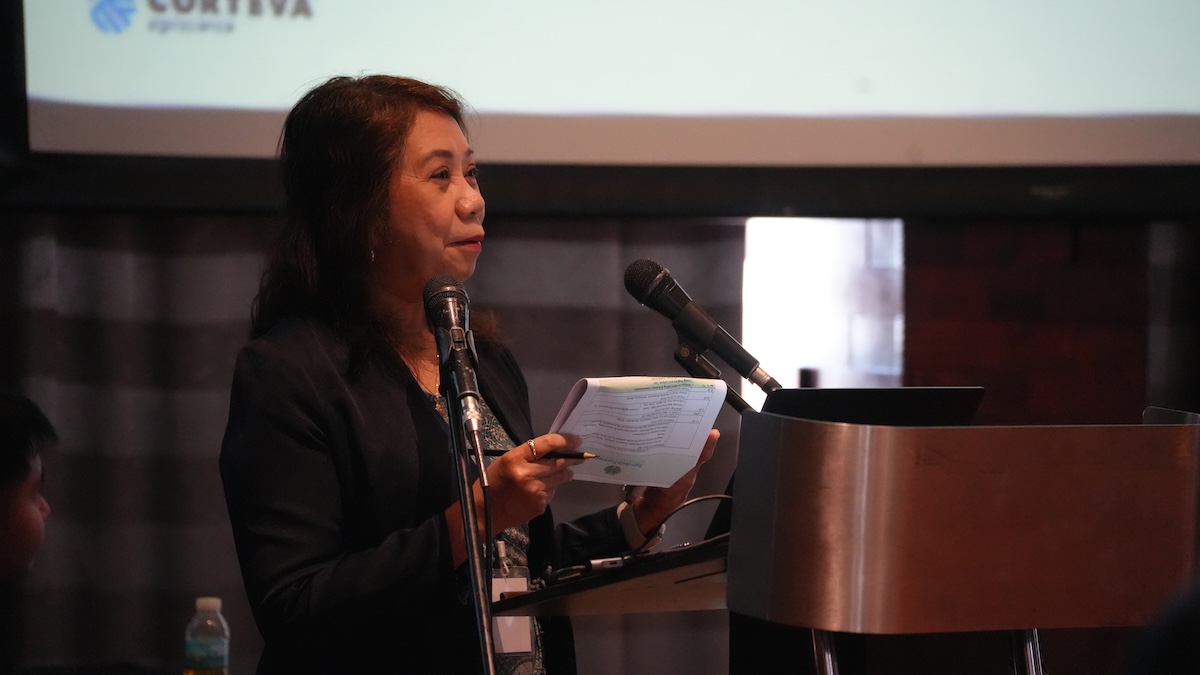
The participants include stakeholders from China, India, Indonesia, the Republic of Korea, Malaysia, Pakistan, the Philippines, Singapore, Taiwan, Thailand, and Vietnam.
For more details about the event, email knowledgecenter@isaaa.org.
Photos from CropLife Asia and CropLife Philippines
| Newer Post | Archive | Older Post |
Science Speaks is ISAAA Inc.'s official blog. Weekly blog articles, authored by ISAAA writers, partners, and invited contributors, aim to help share, disseminate, and promote scientific knowledge and its vital role in achieving global agricultural sustainability and development. Your support to Science Speaks will help us achieve this goal. You can help us by donating as little as $10.