

ISAAA Joins Celebration of National Biotechnology Week 2026

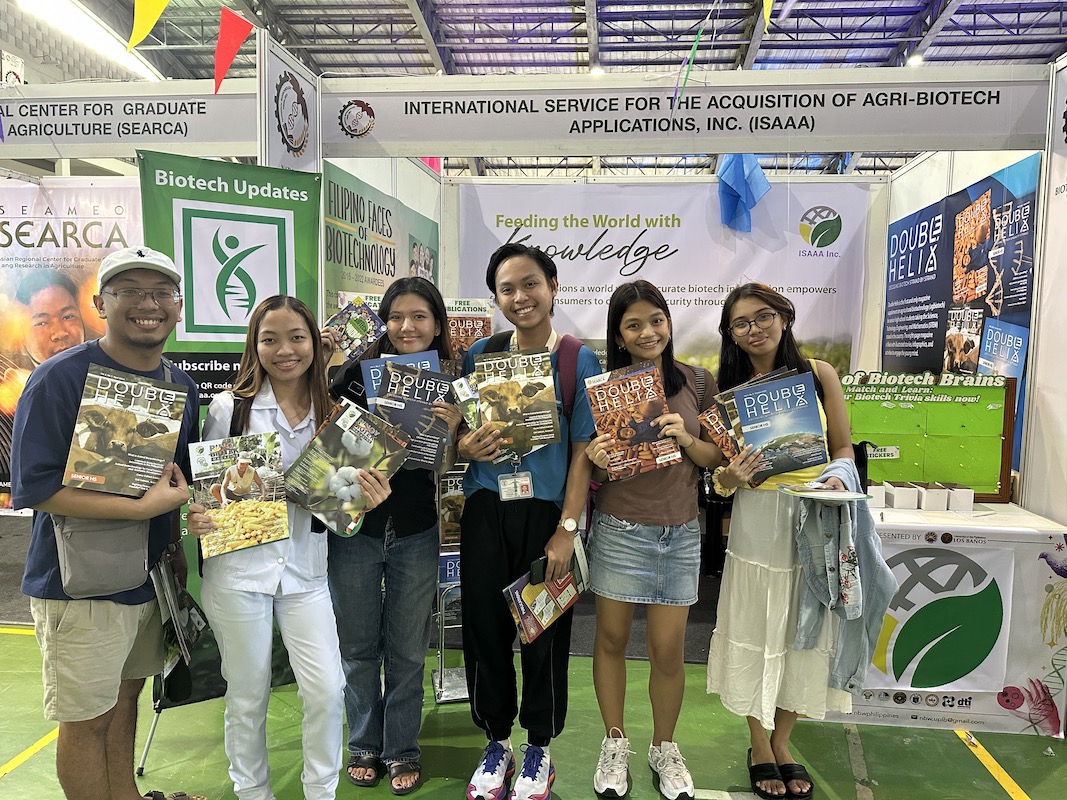
Quezon City, September 30, 2026 — Hosted by the Department of Environment and Natural Resources (DENR), the celebration of the National Biotechnology Week (NBW) 2026 concluded on September 24, 2026, at the DENR Multipurpose Hall, Quezon City with the forum Cultivating Resilience: A Forum on Ag-Biotech Solutions for Climate-Smart Agriculture. Organized by the International Service for the Acquisition of Agri-biotech Applications (ISAAA), Inc. and the DA Biotech Program Office (DA-BPO), the forum promoted informed discussion on the impacts of climate change in Philippine agriculture and the role of biotechnology in building climate resilience.
Blog Archive




Science Speaks is ISAAA Inc.'s official blog. Weekly blog articles, authored by ISAAA writers, partners, and invited contributors, aim to help share, disseminate, and promote scientific knowledge and its vital role in achieving global agricultural sustainability and development. Your support to Science Speaks will help us achieve this goal. You can help us by donating as little as $10.