MIT Researchers Improve Precision of Gene Editing |
|
|
|
Massachusetts Institute of Technology (MIT) researchers have developed a more accurate version of prime editing by modifying the proteins involved in the process. The significant reduction in error rate raises hope for safer and more effective gene therapy treatments for a variety of diseases.
|
|
|
|
|
|
|
Scientists Design New Cycle to Boost Plant Growth and Carbon Capture |
|
|
|
Scientists have designed a new cycle called malyl-CoA-glycerat (McG) to boost plant growth and carbon capture. The research team believes that this “C2-centric” approach could open opportunities to engineer crops with greater yields. The findings of the study are published in Science.
|
|
|
|
|
Paper-based Biosensor Detects GM Corn and Soybeans |
|
|
|
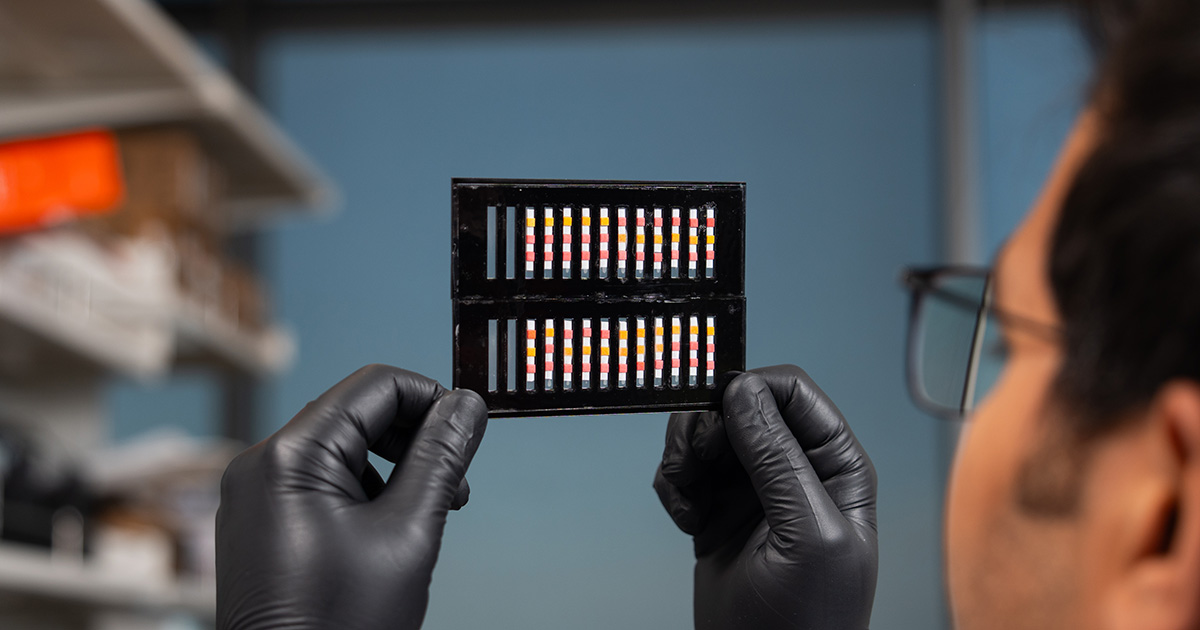
Purdue University experts successfully developed a portable, paper-based biosensor for identifying genetically modified (GM) corn and soybeans. Based on a technology called loop-mediated isothermal amplification (LAMP), the biosensor offers a rapid and cheap molecular tool for farmers.
|
|
|
|
|
|
|

|
A biweekly update on gene editing research, regulations, and impact
produced by ISAAA Inc. |
| |
|
|

|
| A monthly update on gene drive research and development provided by ISAAA in collaboration with the Outreach Network for Gene Drive Research |
| |
|
|
|
|
|
|