CRISPR Wheat Produces Own Fertilizer |
|
|
|
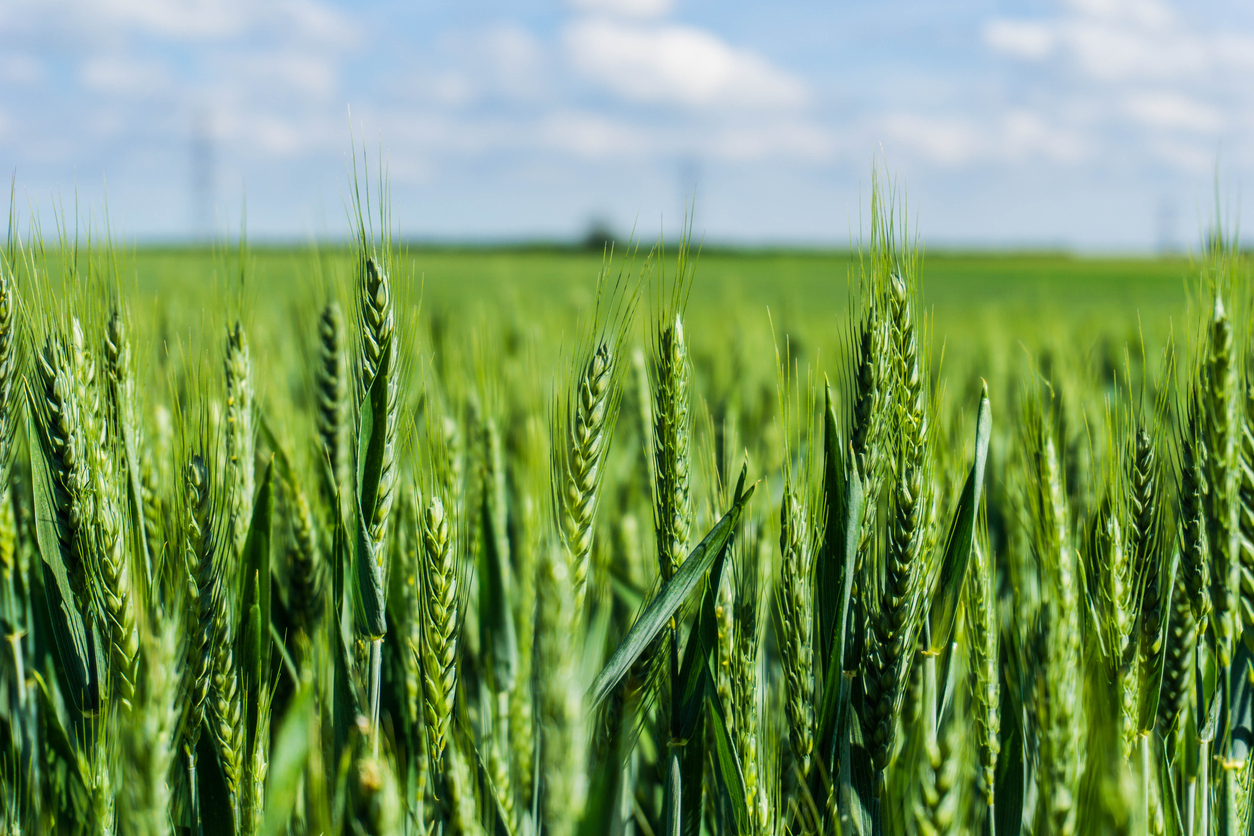
Researchers at the University of California, Davis, successfully developed wheat plants that can produce their own fertilizer. This breakthrough, reported in the Plant Biotechnology Journal, could help reduce air and water pollution and lower farming costs.
|
|
|
|
|
Coalition of 26 Food and Feed Associations Urges EU's Swift Adoption of NGTs |
|
|
|
A coalition of 26 European food and feed associations has issued an urgent appeal to EU policymakers, calling for the swift adoption of New Genomic Techniques (NGTs) and a firm rejection of unnecessary new regulatory burdens. Representing a vast segment of the plant-based agri-food chain—from suppliers and farmers to processors and food producers—the group insists that the introduction of NGTs is critical for strengthening the resilience and sustainability of the European food system in the face of mounting pressures.
|
|
|
|
|
CRISPR Boosts Resistant Starch in Potato |
|
|
|
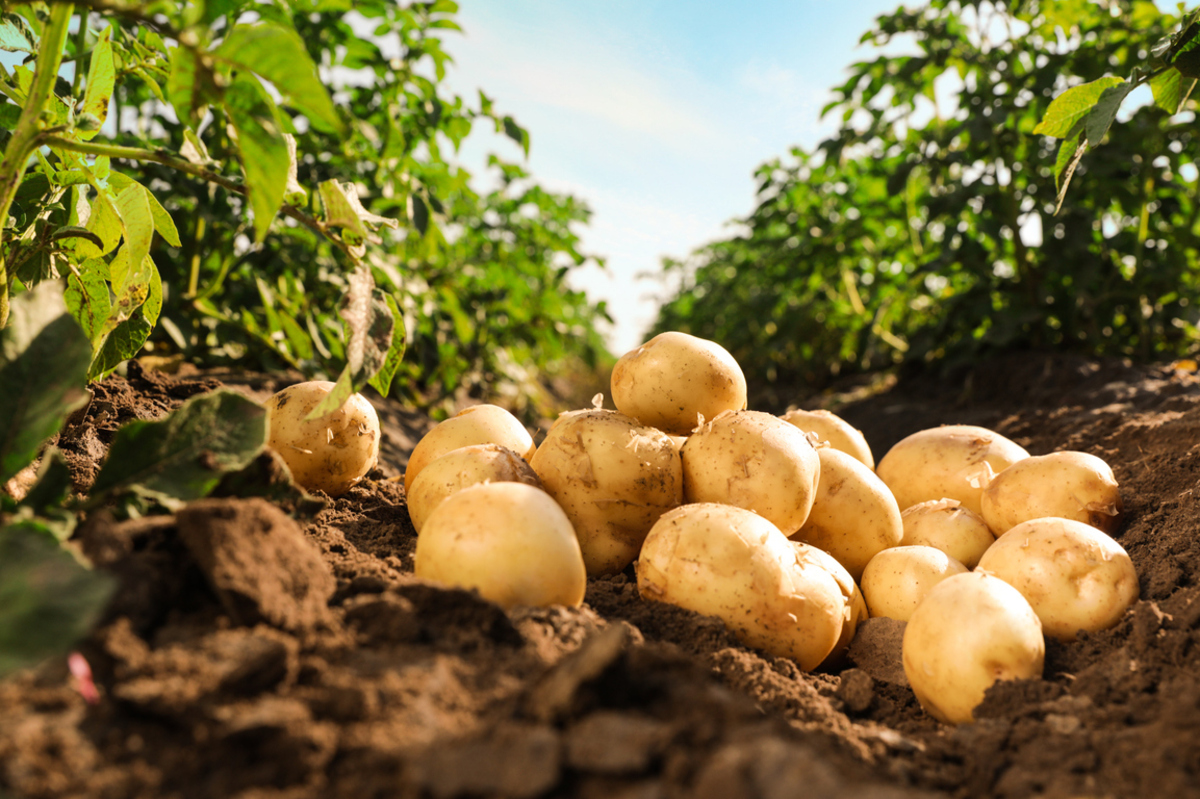
Researchers from Himachal Pradesh University, ICAR-Central Potato Research Institute, and ICAR-Indian Institute of Wheat and Barley Research in India have successfully developed high-amylose potatoes using CRISPR-Cas9. The team targeted two starch-branching enzyme genes, SBE2.1 and SBE2.2, in the widely grown potato variety Kufri Chipsona-I to increase its resistant starch content.
|
|
|
|
|
|
|
|
|

|
A biweekly update on gene editing research, regulations, and impact
produced by ISAAA Inc. |
| |
|
|

|
| A monthly update on gene drive research and development provided by ISAAA in collaboration with the Outreach Network for Gene Drive Research |
| |
|
|
|
|
|
|