Rice Enzyme Helps Break Down Harmful Herbicide Residues |
|
|
|
Experts from Guangdong Academy of Agricultural Sciences and Jiangsu Academy of Agricultural Sciences in China have identified a rice enzyme that helps plants break down two widely used herbicides. The study focuses on CYP709B2, a cytochrome P450 enzyme that plays a central role in the detoxification and catabolism of herbicides isoproturon and atrazine.
|
|
|
|
|
CIMMYT Reports High-Efficiency Genome Editing in Pearl Millet |
|
|
|
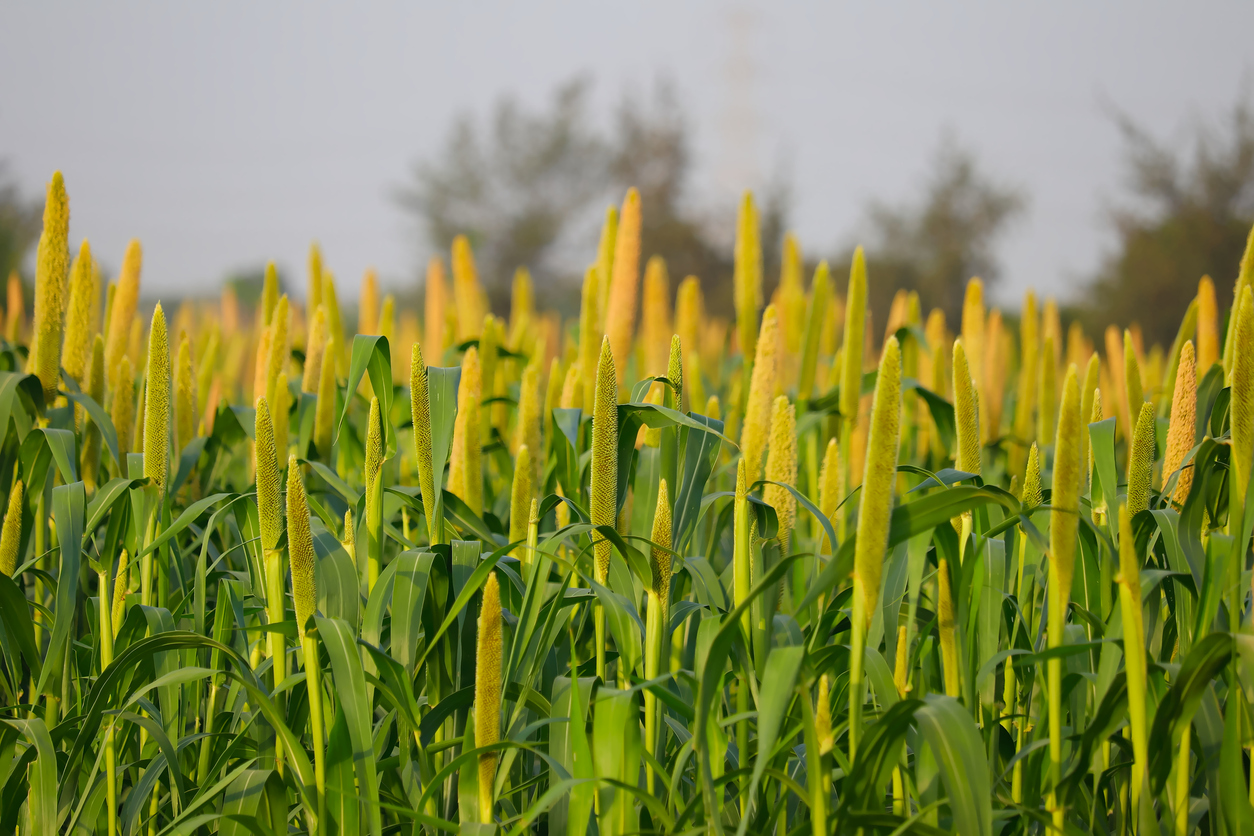
Scientists from CIMMYT and Corteva Agriscience successfully devised an effective method to improve pearl millet using genetic transformation and CRISPR-based editing. This breakthrough is expected to help improve traits vital for food security, nutrition, and climate resilience.
|
|
|
|
|
Experts Use CRISPR-Cas12i3 to Improve Elite Corn Line |
|
|
|
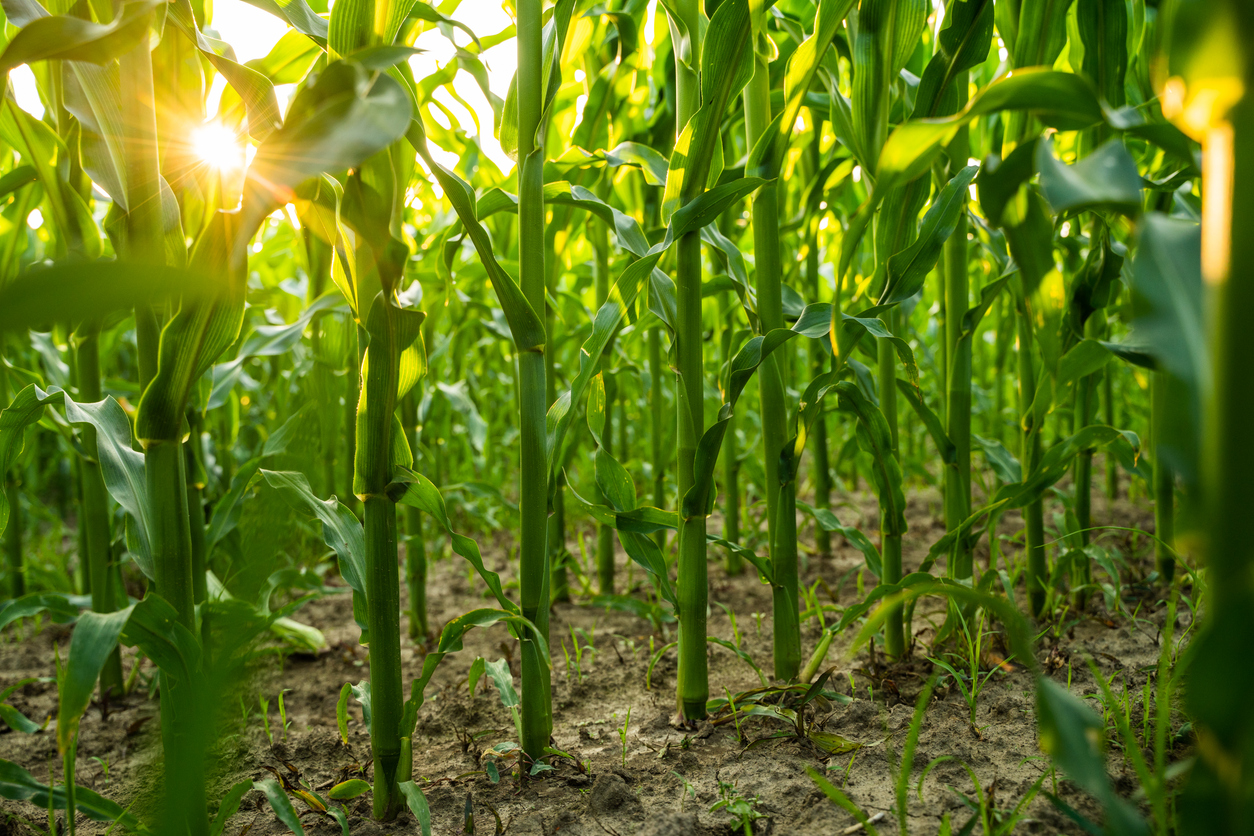
Researchers from the Beijing Academy of Agriculture and Forestry Sciences reported the use of CRISPR-Cas12i3 to speed up the improvement of Jing 724, a foundational maize variety previously known for being hard to modify due to some genetic restrictions. Their findings are published as a pre-proof in aBiotech.
|
|
|
|
|
Floral Dip-Based Gene Editing Boosts Indica Rice Resistance to Tungro |
|
|
|
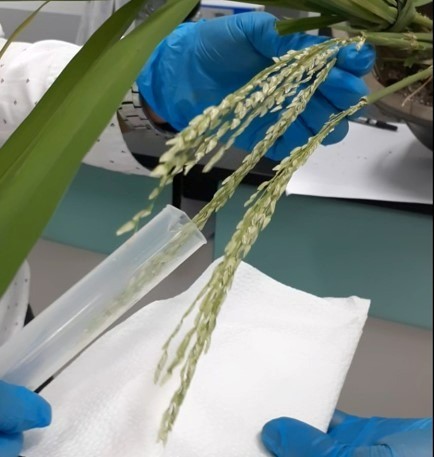
In a significant breakthrough for rice farmers, researchers from the Department of Agriculture–Crop Biotechnology Center (DA-CBC) have successfully used a novel floral dip-based gene editing technique to boost resistance to the devastating tungro virus in NSIC Rc 402, a widely grown Indica rice variety. Tungro, a viral disease transmitted by leafhoppers, poses a persistent threat to food security, resulting in annual crop losses that can reach up to 30%—equivalent to approximately 456,000 tons of rough rice. The new method offers a simpler, faster, and more practical solution compared to traditional tissue culture methods, which are often inefficient for Indica rice strains.
|
|
|
|
|
| Research and Tools |
 |
|
|
|
|
|
| Biotech Updates is a weekly newsletter of ISAAA, a not-for-profit organization. It is distributed for free to over 22,000 subscribers worldwide to inform them about the key developments in biosciences, especially in biotechnology. Your support will help us in our mission to feed the world with knowledge. You can help by donating as little as $10. |
|
|
|
|