|
|
CRISPR Helps Confirm Key Rice Transporter for Bacterial Blight Resistance |
|
|
|
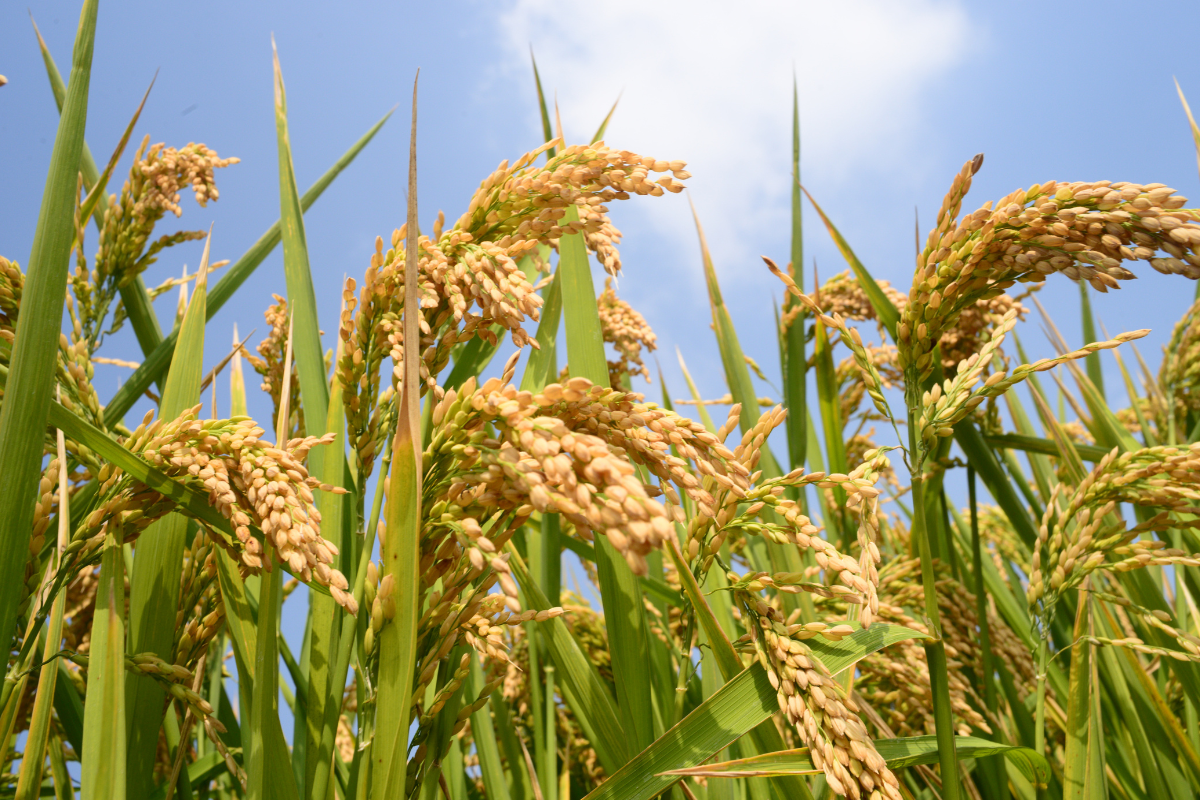
Scientists from China have identified a specialized transporter protein, OsPDR17, that helps move the natural defense compound 5,10-diketo-casbene (DKC) and strengthens rice resistance to bacterial blight. By analyzing gene expression patterns and testing OsPDR17 in yeast cells, the researchers showed that OsPDR17 plays a central role in DKC transport, offering a new target for understanding and improving disease resistance in rice.
|
|
|
|
|
Researchers Recommend Policy Solutions for Bio-Breeding Bottlenecks in China |
|
|
|
Biotechnology breeding can help advance the Sustainable Development Goals by enhancing crop resilience, improving resource efficiency, and reducing reliance on chemical inputs. However, a recent study by Chinese policy researchers found that the potential of these innovations is hampered by four institutional bottlenecks, highlighting the need for policies and systems that can keep pace with technological advances.
|
|
|
|
|
Experts Push to Rethink Risk Assessments by Bridging Science, Policy, and Public Trust |
|
|
|
The global success of agricultural biotechnology depends not only on scientific risk assessment to ensure safety, but also on establishing transparent, understandable biosafety regulations that translate into legitimate risk-management decisions. This key insight comes from a review article authored by Komal Saini and Devesh Giri of the Chandigarh Group of Colleges in Punjab, India.
|
|
|
|
|
|
|

|
A biweekly update on gene editing research, regulations, and impact
produced by ISAAA Inc. |
| |
|
|

|
| A monthly update on gene drive research and development provided by ISAAA in collaboration with the Outreach Network for Gene Drive Research |
| |
|
|
|
|
|
|