|
|
UK Approves Gene-Edited Safer Wheat in Landmark Precision Breeding Milestone |
|
|
|
A new variety of gene-edited wheat has officially received "precision bred" status under the UK's Genetic Technology Act, marking a major milestone for food safety and agricultural innovation. Developed by researchers using CRISPR genome editing, this specialized crop targets a significant health challenge by dramatically reducing the presence of free asparagine, a naturally occurring amino acid that converts into the toxic, potentially cancer-causing contaminant acrylamide when wheat is baked, toasted, or fried.
|
|
|
|
|
Gene Editing Boosts Soybean Yield Under Dense Planting |
|
|
|
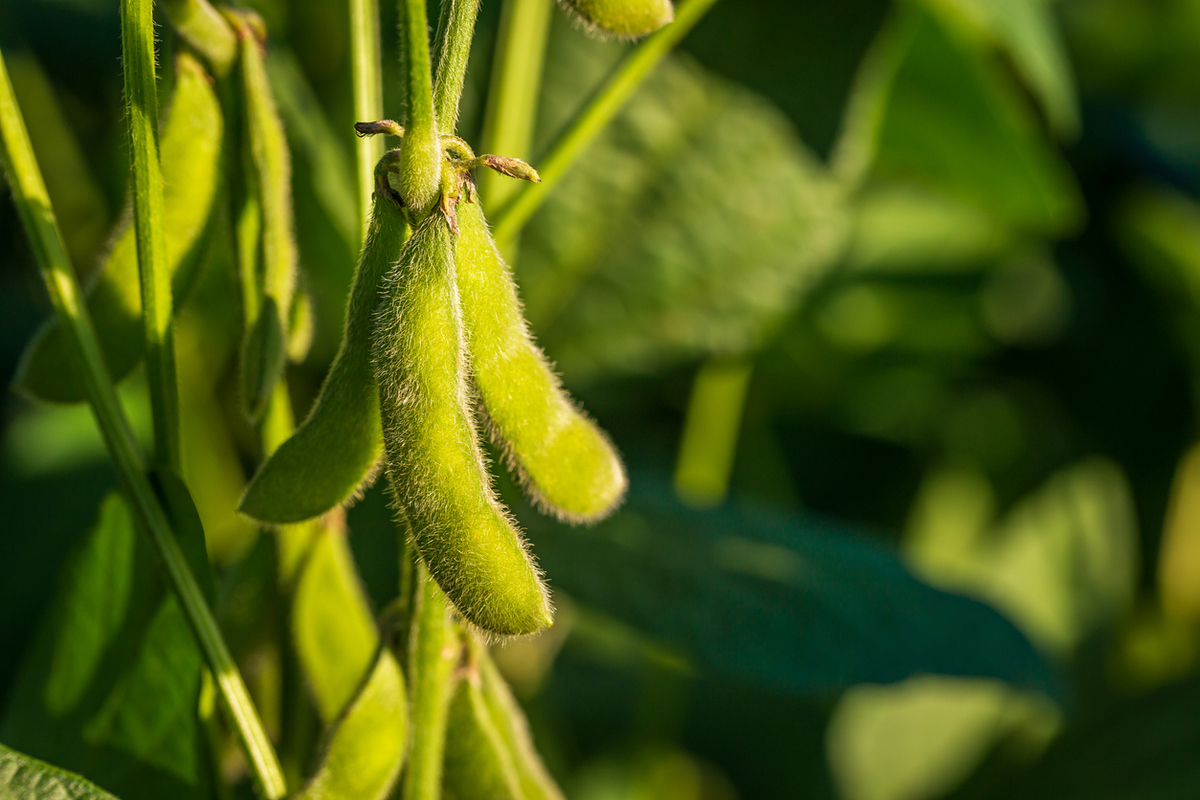
Experts from Heilongjiang Bayi Agricultural University and partners in China used CRISPR to improve soybean seed size and yield under high-density planting. The research team found that editing four closely related calcium-binding receptor-like cytoplasmic kinase genes (GmCRCK1a-1d) produces larger seeds and higher yields. The findings suggest that these genes could be valuable targets for developing high-yield soybean varieties.
|
|
|
|
|
|
|
|
|

|
A biweekly update on gene editing research, regulations, and impact
produced by ISAAA Inc. |
| |
|
|

|
| A monthly update on gene drive research and development provided by ISAAA in collaboration with the Outreach Network for Gene Drive Research |
| |
|
|
|
|
|
|