ISAAA Report Presents Top Producers of Biotech/GM Crops in 2024 |
|
|
|
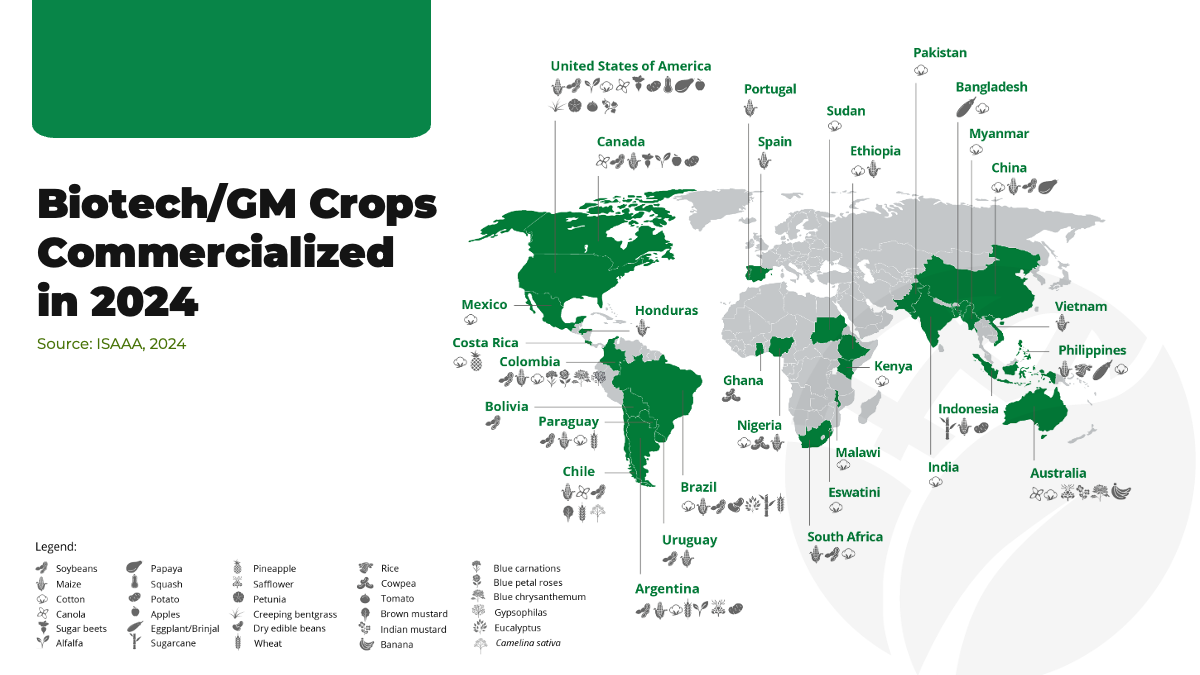
In 2024, agricultural biotechnology continued to expand globally, with over 20 biotech/GM crops cultivated across 31 countries. The United States led the world by planting 79.9 million hectares of biotech/GM crops, followed by Brazil, Argentina, India, and Canada.
|
|
|
|
|
Peru Releases Gene Editing Guidelines |
|
|
|
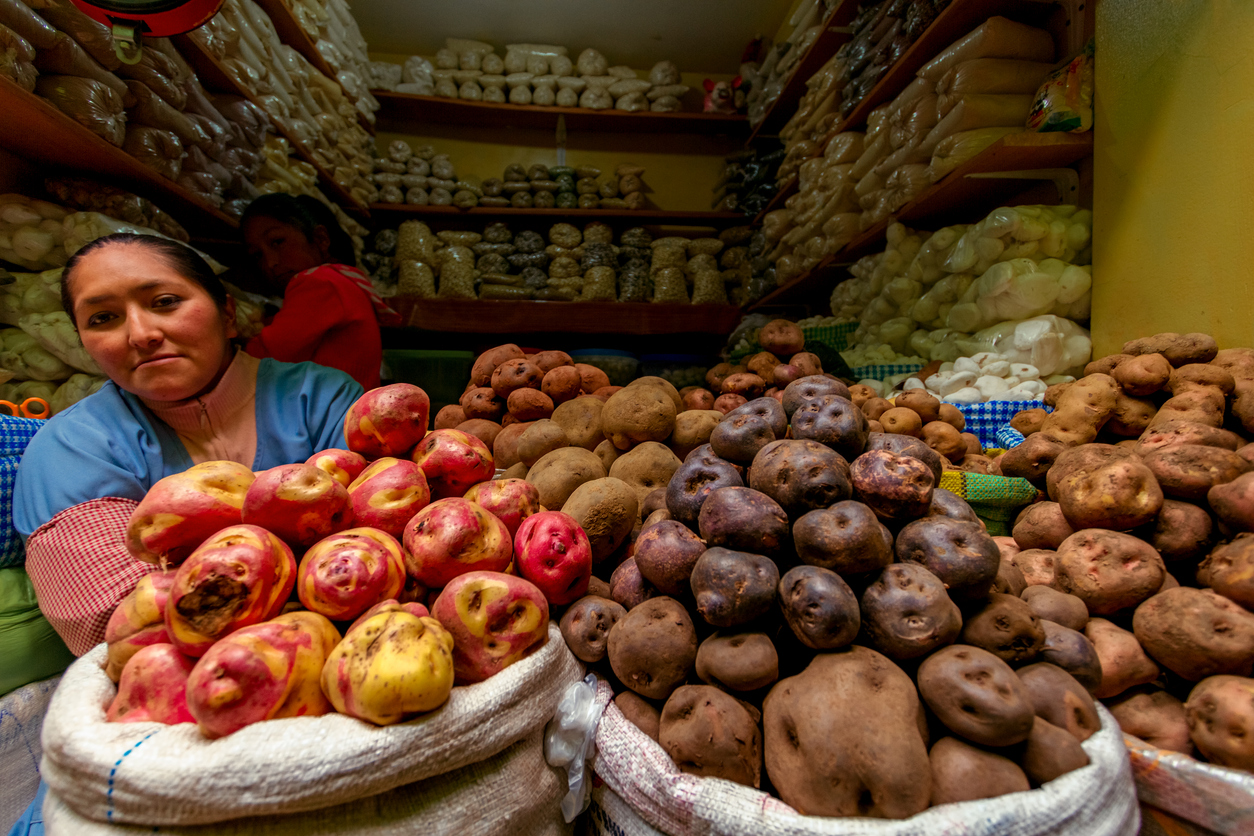
The Peruvian Ministry of the Environment has officially approved a new regulatory framework to evaluate organisms developed through advanced biotechnological tools like CRISPR. Enacted via Ministerial Resolution No. D000068-2026-MINAM-DM, these guidelines establish technical criteria to determine if a gene-edited organism should be classified as a Modified Living Organism (MVO). This case-by-case scientific approach allows authorities to distinguish between traditional transgenics and precise genetic alterations that do not introduce foreign DNA, providing much-needed clarity within the country's existing biosafety laws.
|
|
|
|
|
Scientists in Germany Reveal How Soil Bacteria Break Down Toxic Chemicals in the Environment |
|
|
|
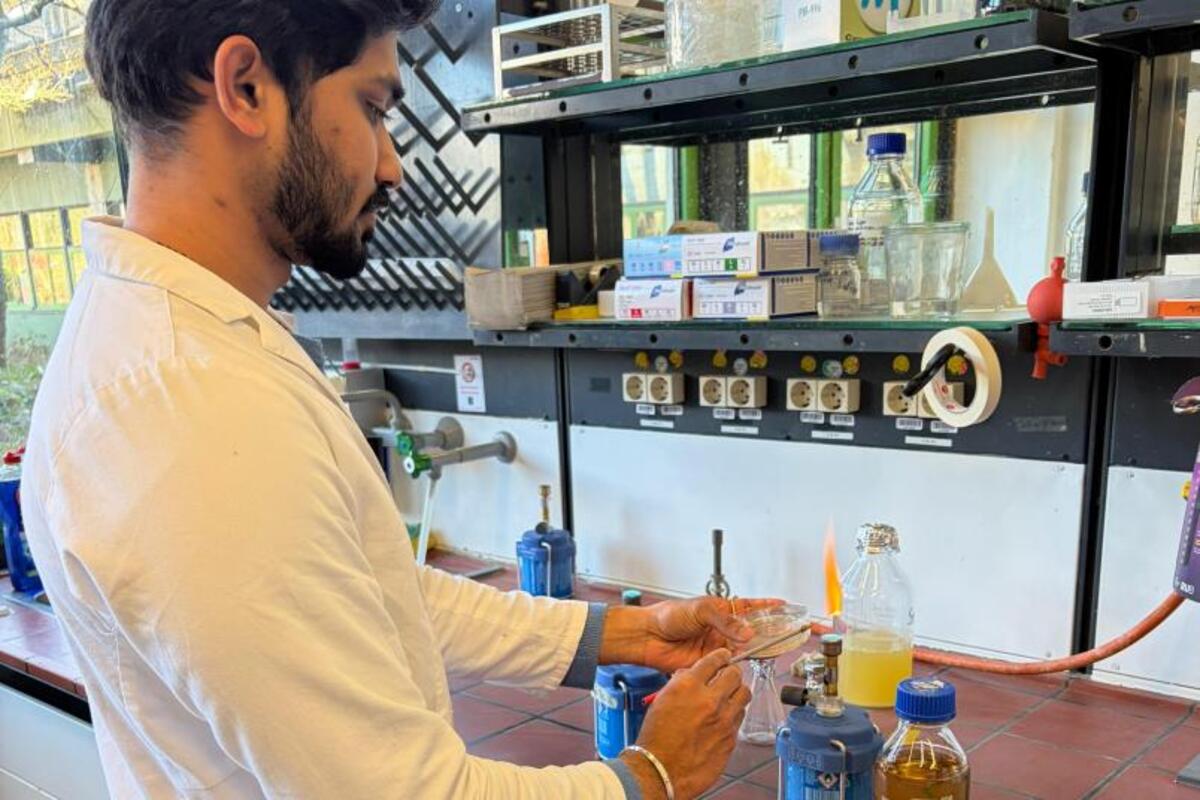
The team at Ruhr University Bochum, led by Professor Dirk Tischler, revealed how soil bacteria can help clean up toxic chemicals that are harmful to the environment. The research team found that a large genome in the bacterium Rhodococcus opacus 1CP contains multiple enzymes capable of breaking down harmful aromatic compounds, such as phenols, cresols, and styrenes. The findings of the study were published in Applied and Environmental Microbiology.
|
|
|
|
|
Researchers Find Hornworts Could Help Turbocharge Crop Yields |
|
|
|
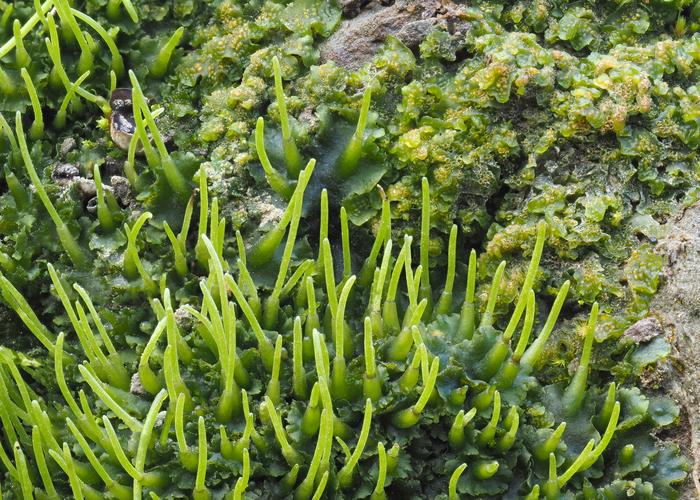
Researchers at the Boyce Thompson Institute (BTI), Cornell University, and the University of Edinburgh have discovered a molecular trick in hornworts, a unique group of land plants, that could dramatically increase the efficiency of photosynthesis in major crops like wheat and rice. The study focuses on Rubisco, the critical enzyme responsible for capturing carbon dioxide, which is notoriously slow and often mistakenly reacts with oxygen.
|
|
|
|
|
|
|

|
A biweekly update on gene editing research, regulations, and impact
produced by ISAAA Inc. |
| |
|
|

|
| A monthly update on gene drive research and development provided by ISAAA in collaboration with the Outreach Network for Gene Drive Research |
| |
|
|
|
|
|
|