CRISPR Untangles Five-Gene Protein that Helps Plants Grow |
|
|
|
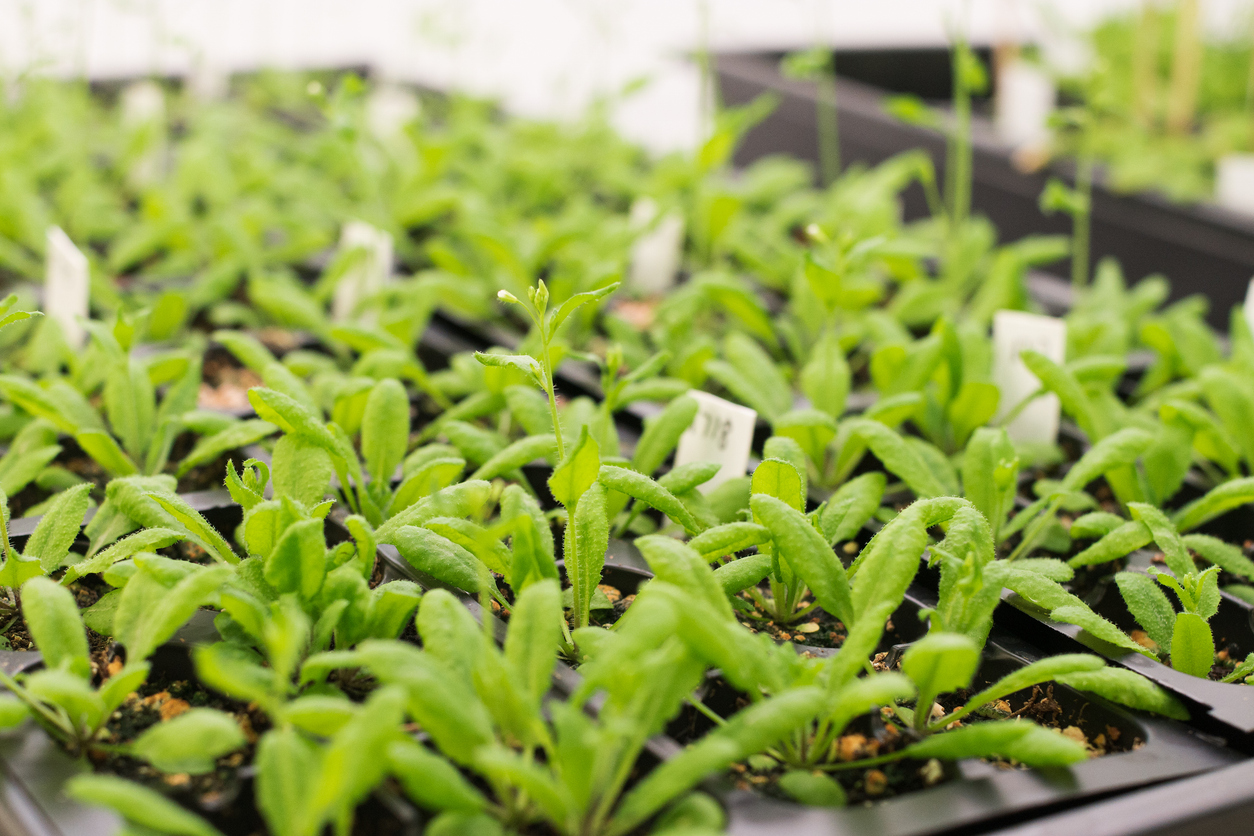
Scientists at Rice University have uncovered a critical mechanism that allows young plants to manage their energy and grow before they can harness sunlight. Published in Nature Communications, the study reveals how a specific protein regulates the size of peroxisomes—cellular compartments that process stored fatty acids for fuel during the seed-to-seedling stage. This discovery sheds new light on the delicate biological balancing act required for plants to survive their earliest days.
|
|
|
|
|
Gene Editing Reveals Key Gene for Improved Cotton Defoliation |
|
|
|
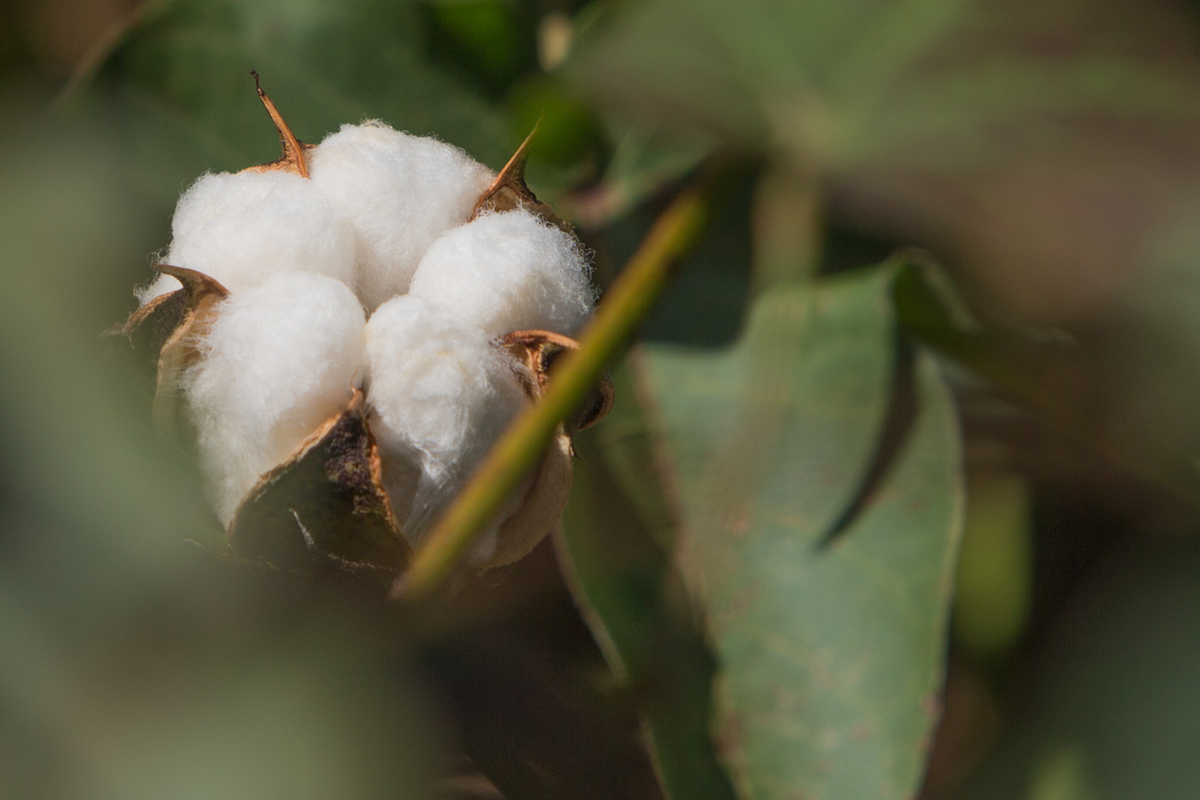
A study conducted by researchers from Xinjiang Academy of Agriculture and Reclamation Science and partners identified key genes involved in cotton defoliation. The study found that the genes GhNAC47 and GhSKS6 help regulate cell wall remodeling and the formation of protective layers that allow leaves to detach more efficiently during chemical defoliation.
|
|
|
|
|
Study Pinpoints Positive Regulator of Salt Tolerance in Poplar |
|
|
|
As animal cells rely on waste management to survive, plant cells utilize a specialized recycling system called the ubiquitin-proteasome system to degrade damaged or redundant proteins. In this process, small molecular tags called ubiquitin are attached to target proteins, marking them for destruction. The precision of this system depends on regulatory proteins known as E2 ubiquitin-conjugating enzymes (UBCs), which dictate which proteins are targeted based on environmental stress and growth hormones. While these molecular regulators have been extensively mapped in crops like rice and maize, their composition and function in long-lived, woody perennial species remain largely unexplored.
|
|
|
|
|
Researchers Find Key Gene for Cadmium Tolerance and Accumulation in Rice |
|
|
|
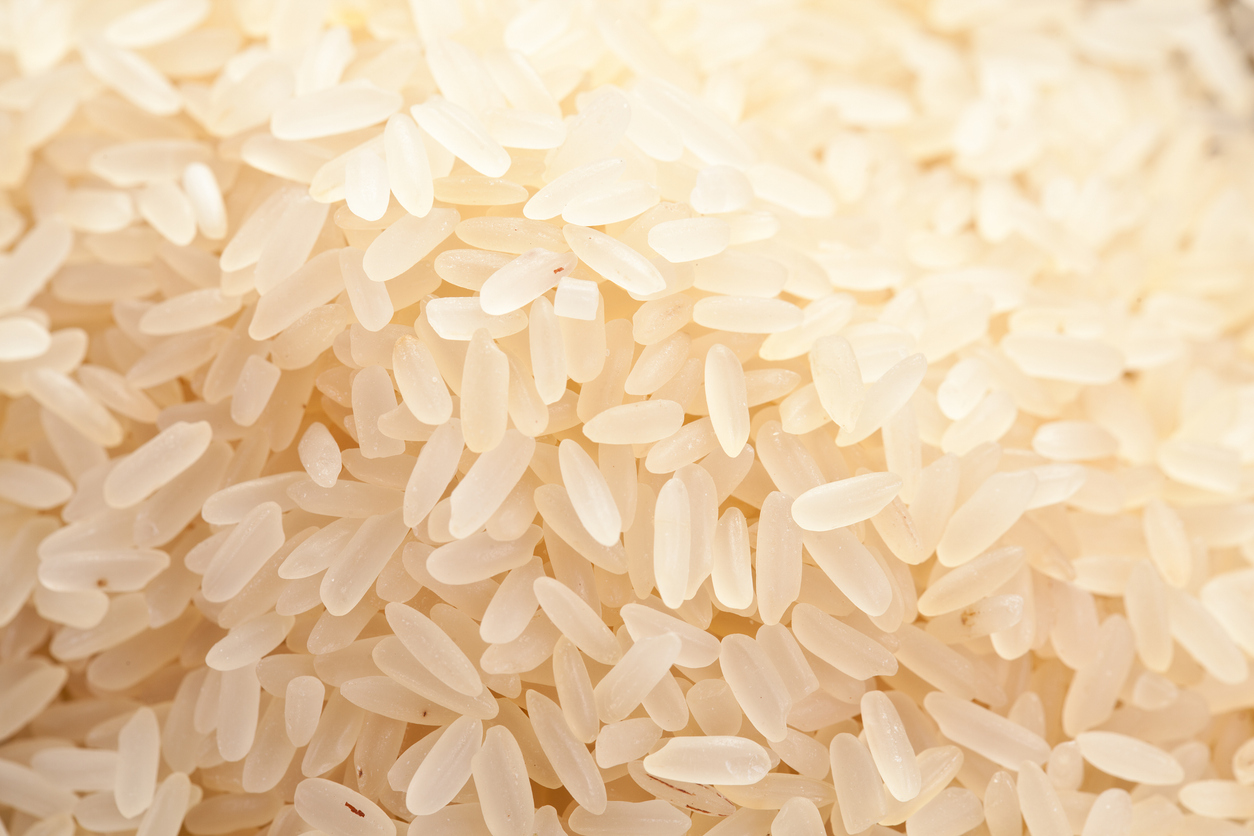
Cadmium is a toxic heavy metal found in some farming soils that can seep into rice crops, posing a serious threat to global food safety. To tackle this, scientists discovered a specific gene in rice, Os79, that accidentally acts as an open door for this toxin. By using gene-editing technology to turn this gene off, researchers at the Chinese Academy of Sciences created a modified rice plant that is much better at defending itself. When the gene is disabled, the rice plants grow normally even in polluted soils and absorb significantly less cadmium, keeping the grain much safer for consumers.
|
|
|
|
|
| Research and Tools |
 |
|
|
|
|
|
| Biotech Updates is a weekly newsletter of ISAAA, a not-for-profit organization. It is distributed for free to over 22,000 subscribers worldwide to inform them about the key developments in biosciences, especially in biotechnology. Your support will help us in our mission to feed the world with knowledge. You can help by donating as little as $10. |
|
|
|
|