Pairwise Licenses Fulcrum® CRISPR Platform to Ball® Horticultural Company |
|
|
|
Global agricultural innovator Pairwise has announced a landmark licensing agreement with Ball Horticultural Company to apply its Fulcrum® CRISPR genome editing platform to the ornamental plant market. This partnership marks the first time the Fulcrum® technology will be utilized outside of food and staple crops, granting Ball access to precision breeding tools for more than 40 ornamental species, including roses, petunias, and hydrangeas.
|
|
|
|
|
Gene Editing Boosts Fiber Quality of Cotton |
|
|
|
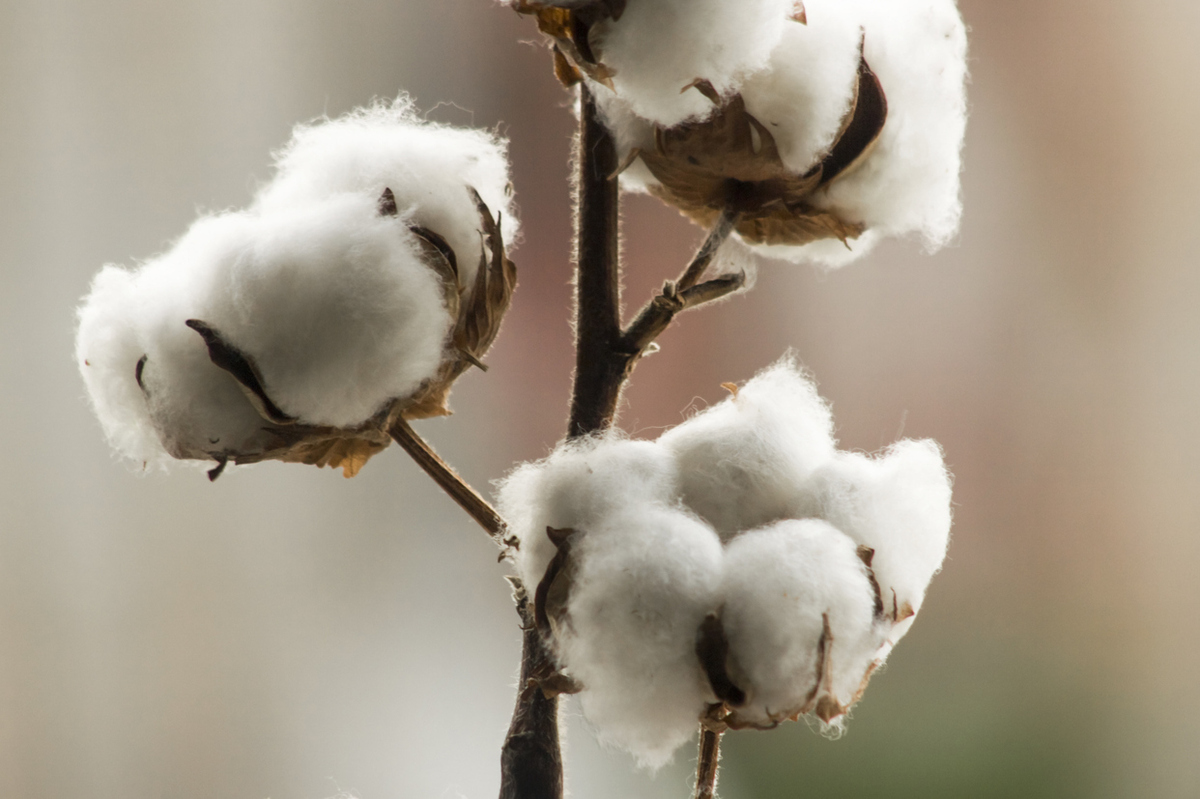
Researchers from the University of Agriculture Faisalabad and the University of Nizwa in Pakistan used the CRISPR-Cas9 gene editing system to improve the fiber quality of cotton. The study, published in GM Crops & Food, focused on modifying the GhJAZ2 gene to enhance the fiber length and increase lint percentage to meet growing demand for high-quality cotton.
|
|
|
|
|
Gene Combinations Provide Durable Resistance to Begomoviruses in Tomato |
|
|
|
Begomoviruses are some of the most damaging threats to tomato crops globally. To fight these viruses, scientists breed specific protective genes, known as Ty-genes, into tomato plants. However, relying on just one of these genes often is not enough to stop the most aggressive virus strains. This led Kindai University researchers to test several commercial tomatoes and special breeding lines from the World Vegetable Center against three different viruses of varying strengths to see which genetic combinations worked best.
|
|
|
|
|
CRISPR Elucidates Key Gene in Forming Symbiotic Nodules in Pea |
|
|
|
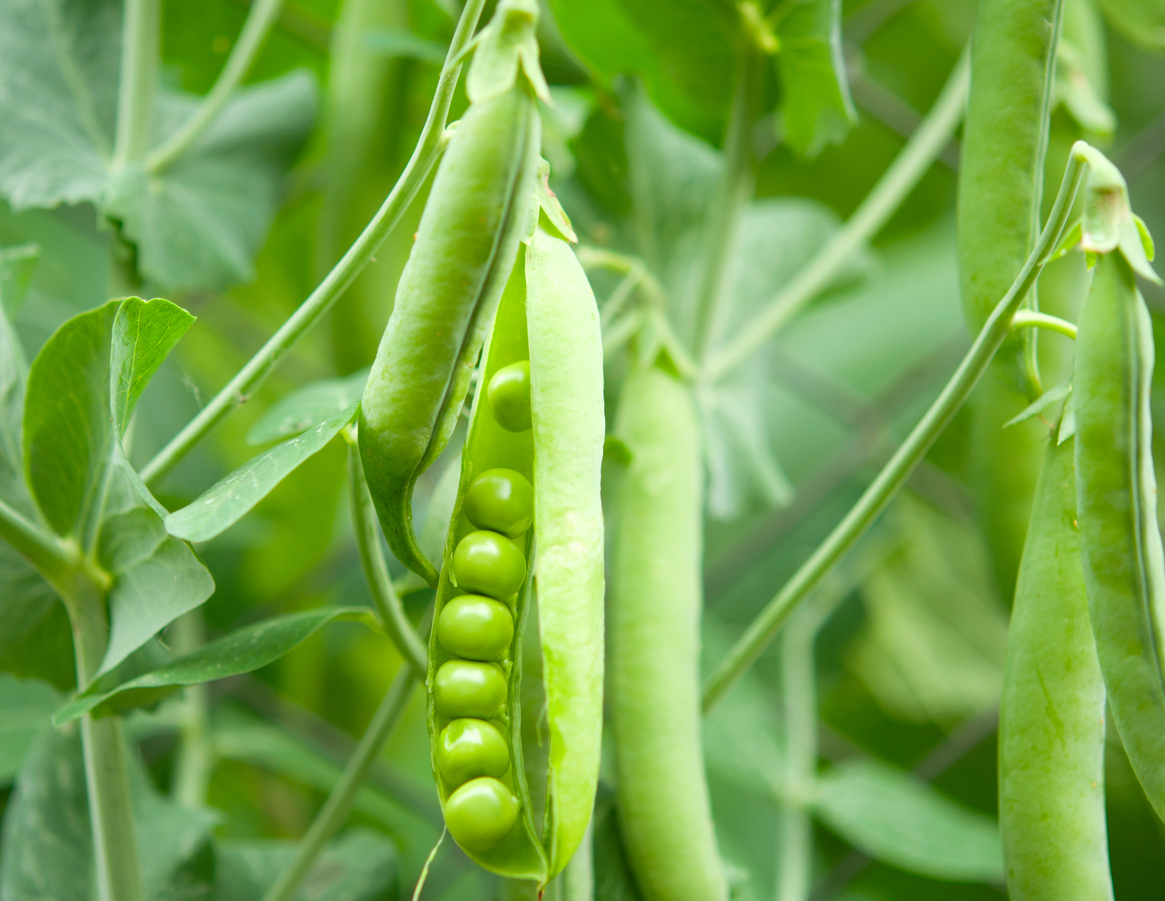
Peas have a remarkable ability to partner with specific soil bacteria that provide the plants with essential nitrogen, acting like a natural fertilizer factory. The plant uses specialized receptors to recognize chemical signals from the bacteria. For years, scientists suspected that a specific mystery gene, known as Sym2, mainly controls how certain pea varieties identify their microbial partners. While a candidate gene called PsLykX seemed to fit the description perfectly, researchers lacked the concrete proof needed to confirm that it was actually responsible for this vital connection.
|
|
|
|
|
| Research and Tools |
 |
|
|
|
|
|
| Biotech Updates is a weekly newsletter of ISAAA, a not-for-profit organization. It is distributed for free to over 22,000 subscribers worldwide to inform them about the key developments in biosciences, especially in biotechnology. Your support will help us in our mission to feed the world with knowledge. You can help by donating as little as $10. |
|
|
|
|