|
|
Pairwise Licenses CRISPR Platform to IRRI to Advance Climate-Resilient, Nutritious Rice |
|
|
|
Gene-editing technology is being deployed to safeguard one of the world's most vital food staples. Pairwise announced on November 3, 2025, that it has licensed its Fulcrum® CRISPR platform to the International Rice Research Institute (IRRI), a non-profit agricultural research organization. The agreement aims to accelerate the development of rice varieties with higher yields, greater climate resilience, and enhanced nutritional value, including research aimed at supporting healthier diets.
|
|
|
|
|
Australian Researchers Engineer Encapsulins to Supercharge Photosynthesis in Crops |
|
|
|
Australian researchers have achieved a breakthrough in synthetic biology by engineering nanoscale compartments called encapsulins to significantly enhance photosynthesis in major food crops such as wheat and rice. Led by teams from the University of Sydney and the Australian National University, the five-year project tackled the Rubisco enzyme. By creating nanoscale "offices" for Rubisco, the scientists aim to enable future crops to produce higher yields while drastically reducing water use and the need for costly nitrogen fertilizers.
|
|
|
|
|
Researchers Model Gene Drive Strategy to Control Invasive Fire Ants |
|
|
|
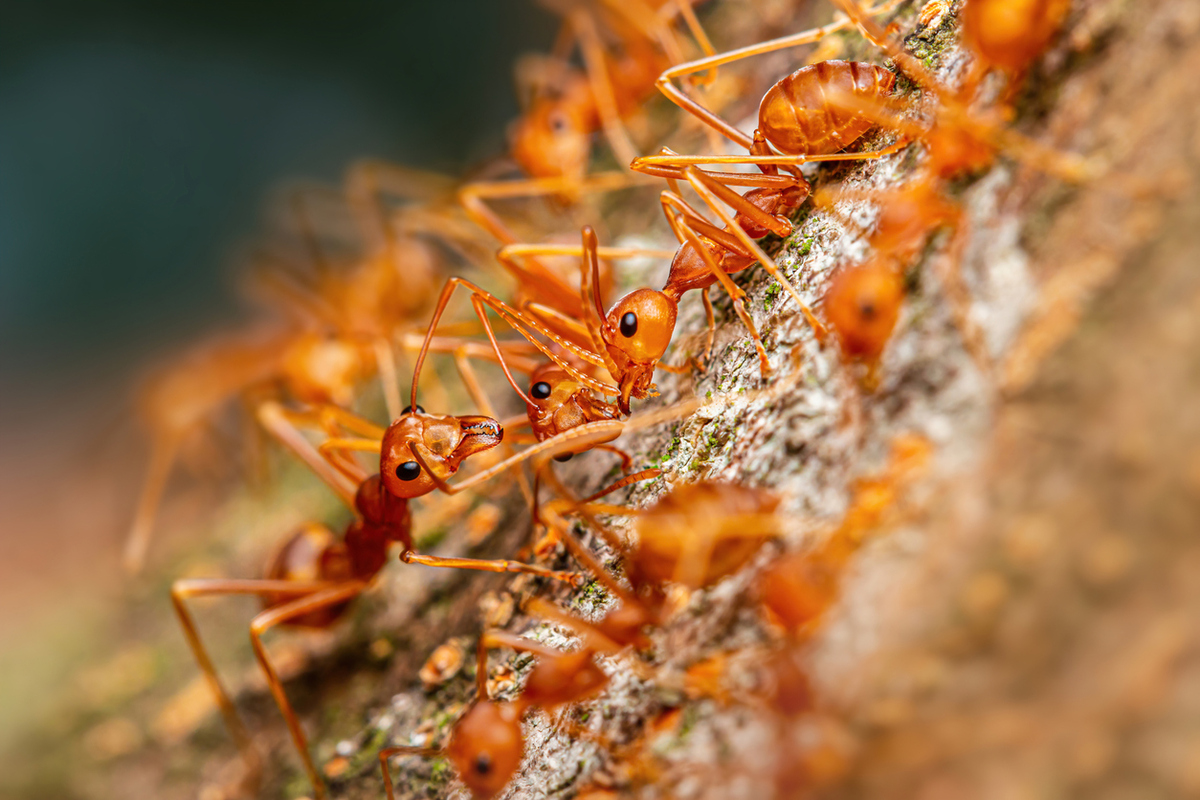
A research team from Peking University and Cornell University developed a model showing how gene drive technology could help control populations of the invasive fire ant (Solenopsis invicta), a species notorious for its aggressive behavior and invasive capabilities. The study, published in Advanced Science, explored how gene drive could suppress fire ant populations by targeting genes linked to reproduction.
|
|
|
|
|
|
|

|
A biweekly update on gene editing research, regulations, and impact
produced by ISAAA Inc. |
| |
|
|

|
| A monthly update on gene drive research and development provided by ISAAA in collaboration with the Outreach Network for Gene Drive Research |
| |
|
|
|
|
|
|